
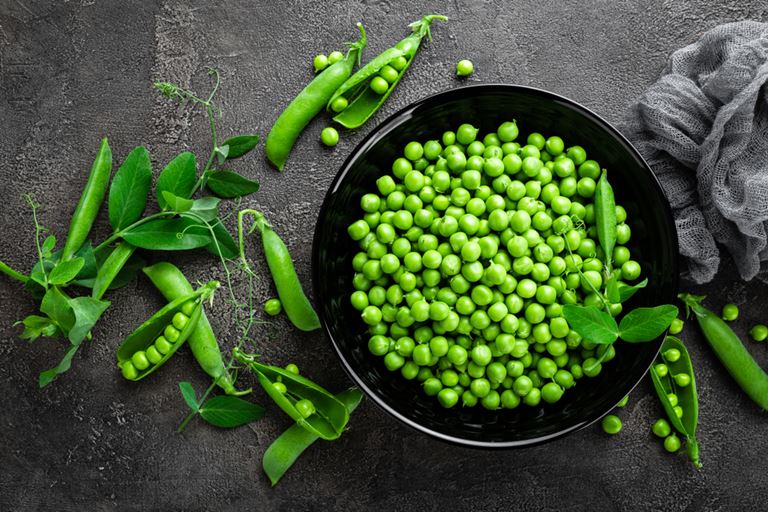
Although peas may look unremarkable and are often treated as just an ordinary side dish, not only are they inexpensive, widely available, and rich in various nutrients, but they also offer significant health benefits. As a result, experts recommend incorporating peas into your daily diet.
Rachel Woods, Associate Professor of Medical Education at the University of Nottingham and the University of Lincoln, wrote in her article that eating peas can provide a good source of protein, dietary fiber, and micronutrients. Here are 5 reasons why you should eat peas regularly.
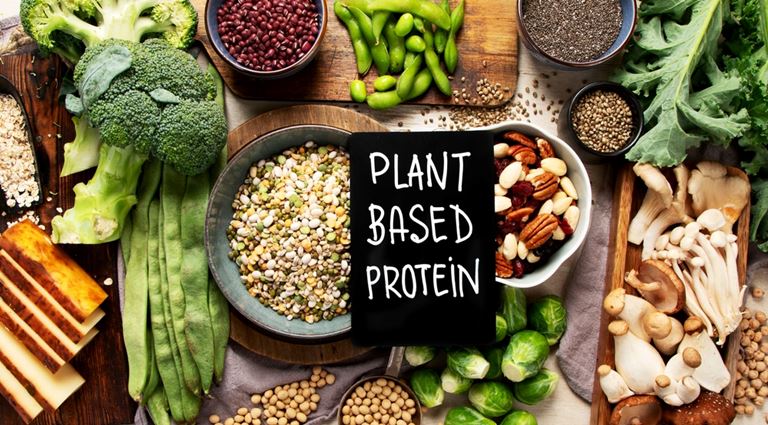
Peas are a source of plant-based protein
Cooked peas contain about 5 grams of protein per 100 grams, while dried peas contain about 8 grams per 100 grams. This is lower than lentils (about 6 grams per 100 grams) or chickpeas (over 7 grams per 100 grams), but higher than vegetables such as carrots (less than 0.5 grams per 100 grams) or sweet corn (over 3 grams per 100 grams). Pea protein has a balanced amino acid profile and contains all nine essential amino acids. These are the building blocks of protein used by the body for growth and repair, as well as for synthesizing enzymes, hormones, and immune molecules.
However, peas are relatively low in sulfur-containing amino acids, particularly methionine, which plays a key role in protein synthesis and growth. Therefore, these vegetables should not be relied upon as a sole source of protein. Fortunately, most people consume peas alongside other plant-based and animal-based proteins, so this is generally not a concern.
Rich in dietary fiber
Dietary fiber supports gut and metabolic health, but many people do not consume enough of it. Peas can help you meet the recommended daily intake of 30 grams. Cooked peas contain over 6 grams of dietary fiber per 100 grams, while dried peas have an even higher fiber content of about 8 grams per 100 grams.
The dietary fiber in these vegetables can be divided into two types: insoluble and soluble. Insoluble dietary fiber promotes the movement of food through the digestive system, thereby relieving constipation. Soluble dietary fiber forms a gel-like substance when dissolved in water, slowing down digestion and helping to regulate blood sugar and cholesterol levels.
Peas also contain prebiotic fibers, including galacto-oligosaccharides. These fibers are not digested or absorbed by the body, but they nourish beneficial bacteria in the gut, thereby fostering a more diverse gut microbiome and promoting metabolic health.
Peas are rich in iron and other beneficial compounds
Iron is an essential mineral for the production of hemoglobin, a blood protein that transports oxygen throughout the body. Although vegetables are not typically major sources of iron, peas contain higher levels than many common vegetables, such as carrots and bell peppers.
Peas also contain polyphenols, including flavonoids. These compounds have antioxidant and anti-inflammatory properties, helping to protect cells from damage and promote overall health.
Regular consumption of flavonoids has been linked to improved cardiovascular health, better blood sugar regulation, and a reduced risk of various chronic diseases, including cardiovascular disease and certain types of cancer.

Peas are one of the most affordable healthy foods
Price plays a significant role in people’s dietary choices, and peas are very affordable. When it comes to frozen peas, they are typically cheaper than other frozen vegetables and significantly less expensive than many fresh vegetables.
There is also very little waste associated with frozen peas. People can cook only the amount they need, making them a cost-effective choice for families on a budget who still want to eat healthily.
Peas are easy to store, cook, and eat
When choosing foods, people also consider convenience. Peas are easy to store and are versatile. Between fresh, frozen, canned, and dried peas, each type has its uses.
Frozen vegetables are typically harvested at peak ripeness and quickly frozen. This helps preserve nutrients and reduce spoilage. Studies show that the nutritional value of frozen and canned vegetables is comparable to that of fresh vegetables, and in some cases, the nutrients are even better preserved during storage.
Furthermore, peas require minimal cooking, making them easy to incorporate into the family’s daily diet. They may even be more appealing to children. Keeping these vegetables on hand makes it convenient for a family. Research indicates that the more often children are exposed to a particular food, the more likely they are to continue eating it. It’s a healthy habit to foster.
Woods notes that, while peas may seem unremarkable; as part of a balanced diet, they reliably provide protein, fiber, and nutrients, and they are affordable and easy to prepare.
Translated by Audrey Wang
Follow us on X, Facebook, or Pinterest
