
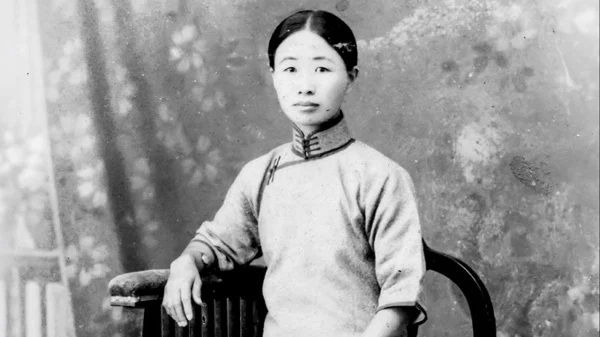
This moving profile offers a deeply inspiring tribute to Wang Shuzhen (1897-2003), the formidable matriarch behind Dr. Lee Chang-yu, the world-renowned forensic scientist known as the “Modern-Day Sherlock Holmes.” Characterized by the text as a paragon of traditional culture, Wang’s life story is an extraordinary study in “Chinese-style parenting,” redefining the concept through the lens of moral fortitude, Confucian grace, and radical resilience. Following Dr. Lee’s passing in early 2026, the world looks back not only on his historic contributions to forensics but also on the incredible woman who made his journey possible.
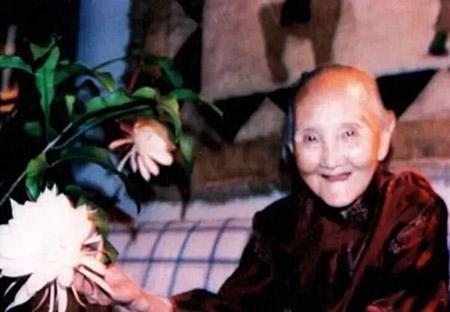
Wang Shuzhen passed away in New York in 2003 at the age of 106 — coincidentally sharing her birth year (1897) and year of passing with Soong Mei-ling, the wife of Chiang Kai-shek. Nurtured by traditional Chinese culture, Wang Shuzhen was a model wife and mother who blended elegance and kindness with an unwavering will. As a devout Buddhist, she embraced personal sacrifice and hardship to realize her ideals, standing today as a paragon of benevolence, righteousness, and cultural pride among Chinese Americans.
A foundation in tradition and grace
Born in 1897 into a wealthy, scholarly family in Nantong, Jiangsu Province, Wang Shuzhen grew up shielded from the era’s political turmoil by the high walls of her family’s grand mansion. Under her father’s strict guidance, she received a thorough Confucian education, mastering the traditional arts of music, chess, calligraphy, and painting, while also becoming highly skilled in abacus arithmetic. This rich background laid a solid foundation for her future intelligence, resilience, and capability as a homemaker. As China’s educational landscape began to modernize, she attended one of Nantong’s early girls’ high schools and graduated, stepping confidently into society.
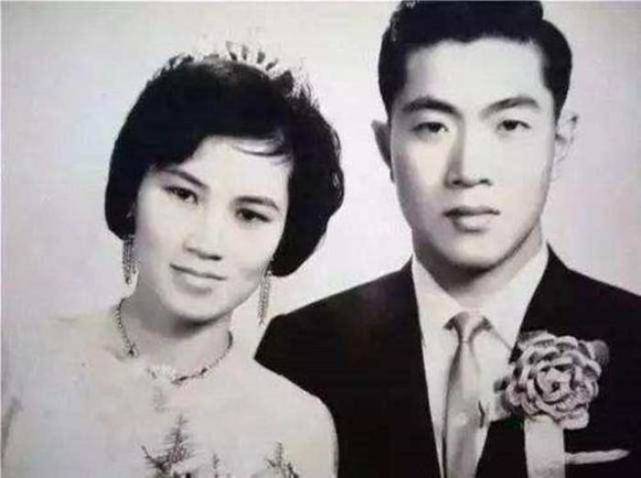
At 19, Wang Shuzhen married Li Haomin, a promising young businessman whose family also lived in a traditional, wealthy compound. In keeping with the customs of the time, the couple operated in perfect harmony: the husband managed external affairs, expanding his grain and import businesses from Nantong to the bustling streets of downtown Shanghai, while Wang managed the massive household.
Well-educated and deeply trusted by her husband, Wang Shuzhen took charge of raising their 13 children — eight daughters and five sons — while simultaneously overseeing a large staff of domestic servants, distributing wages, and managing the estate. Her benevolence extended beyond the mansion walls; during years of famine, she regularly oversaw the opening of her family’s granaries to distribute life-saving relief to the poor.

Tragedy and the crucible of fortune
Following the victory in the War of Resistance Against Japan, China remained fractured by the chaos of the Civil War. Seeking stability, Li Haomin moved his entire family to Taoyuan City, Taiwan, in 1947, while continuing to travel back and forth to manage his business operations on the mainland.
Then, disaster struck. In early 1949, while returning to Taiwan from Shanghai, the Taiping steamship Li Haomin was aboard when it collided with another vessel at night and sank. It was one of the greatest maritime tragedies in modern history, claiming over a thousand lives, including her husband.
After receiving this devastating news at age 52, Wang Shuzhen refused to be crushed. Her first trial came immediately when her late husband’s creditors arrived at her door. Demonstrating her absolute integrity, she sold off her remaining family assets and ancestral home to settle every debt honorably.
The shack in the marshes
The greatest challenge that followed was keeping her 13 children alive and educated. Her eldest was just over 20, and her youngest was still a nursing infant. Confronting absolute destitution, Wang Shuzhen established a foundational household rule: “Treat others with kindness, be dedicated in your work, and speak less, do more.”
To keep her children in school, Wang Shuzhen took off the silk cheongsams of her aristocratic past, folded them neatly into a leather suitcase, and changed into the coarse cloth garments of a laborer. She frequented pawnshops, exchanging her remaining gold jewelry, woolen overcoats, and valuable copper utensils for cash to buy basic provisions such as firewood, rice, oil, and salt.
To eliminate rent, she discovered a dilapidated, drafty shack abandoned on a marshy plot of land outside Taoyuan. Forgoing the comforts of the city, she and her children packed their few remaining possessions — pots, pans, clothes, and schoolbooks — into wooden crates.
Working as a tight-knit unit, some pushing and others pulling a rickety wooden cart, they trekked into the countryside to their new home. Surrounded by wilderness and with no neighbors, Wang Shuzhen patched holes in the mud walls herself to keep the winter wind out.
Character formed in poverty
To support the household, Wang Shuzhen walked long miles into affluent city neighborhoods daily, knocking on doors to offer her services. She washed clothes, cooked meals, worked as a nanny, and used her childhood education to tutor wealthy children in music, piano, and painting — taking every job, no matter how dirty or exhausting.
Frugality became a way of life. Clothes were meticulously mended and passed down to the younger siblings. Food was scarce; the family survived on sweet potatoes and the cheapest bruised fruits and vegetables from the market, frequently going to bed hungry.
Yet, Wang Shuzhen instituted a legendary discipline. No matter the weather, her children were required to walk to school barefoot, carrying their shoes in their hands to preserve the leather. Before reaching the school gates, they had to find a stream, wash the mud from their feet, and put their shoes on to enter the classroom with dignity.
Through it all, she constantly instilled her core philosophies into their minds:
“One must always be upright and honest.”
“Poverty does not diminish one’s spirit.”
“Be polite, and know how to show gratitude.”
“No matter how hard it is, you must study so you can have a bright future.”
An unparalleled legacy
Under Wang Shuzhen’s fierce guidance and boundless love, the 13 siblings grew up deeply united, shielding and supporting one another through every hardship. Not a single child dropped out of school. What remains profoundly moving is that by sacrificing her own youth and comforts, Wang Shuzhen accomplished what many deemed impossible: all 13 of her children earned doctoral degrees. Today, her children are global elites, residing primarily across the United States and Taiwan. They have achieved immense success as renowned scientists, economists, engineers, corporate executives, and doctors — including Dr. Lee Chang-yu, whose legendary forensic career altered the course of modern criminal justice.
Dr. Lee openly stated that after his father died on the Taiping, the family could no longer afford traditional university tuition. He chose the Central Police College in Taiwan specifically because it offered a free education. He frequently reflected: “If it wasn’t for the death of my father and the poverty my mother managed, I would have been a businessman, not a detective.” In various interviews throughout his long career, Dr. Lee attributed his legendary investigative instinct largely to his mother’s meticulous discipline.
Even after Dr. Lee became the Commissioner of Public Safety for Connecticut and a global icon, his mother kept him humble. When he achieved his doctorate, she famously looked at him and said, “You shouldn’t just be a doctor for yourself. When are you going to build a school for others?” — a challenge that prompted him to help establish forensic programs worldwide. Having started successful, highly educated families of their own, Wang Shuzhen’s descendants carry forward a timeless truth: that true wealth lies not in fortune, but in an unbreakable spirit, a brilliant mind, and an honorable character.
Translated by Audrey Wang and edited by Helen London
Follow us on X, Facebook, or Pinterest
