
For millennia, people have asked a fundamental question: What is the best way to govern a nation? Great philosophers have tried to answer the issue of governance. They may have come from different times and places, but they all sought the ideal government that would provide peace, fairness, order, and prosperity.
This article explores the thoughts of philosophers such as Plato, Aristotle, Aquinas, Locke, and others. Each thinker had their philosophy about the ideal government, and while they may disagree, their ideas have helped shape modern governments, particularly in the Western world.
Plato’s rule of the wise
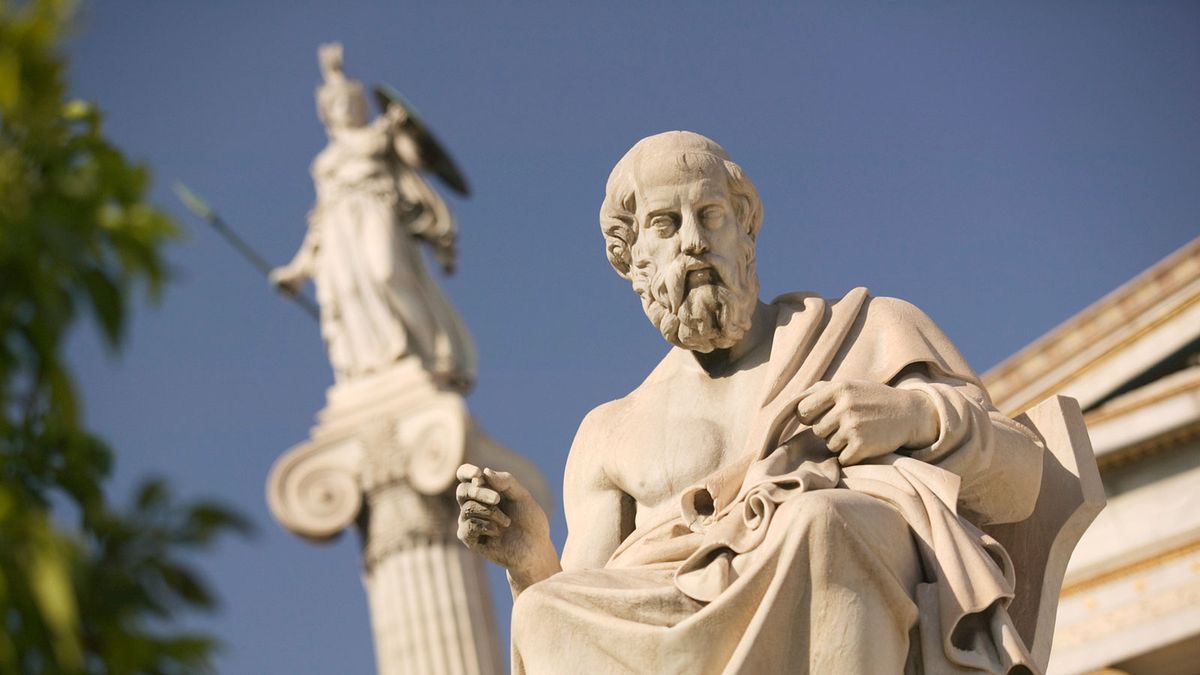
Plato is a classical Greek philosopher often considered a foundational thinker in Western philosophy and political thought. He lived over 2000 years ago and was Socrates’ student and Aristotle’s teacher.
According to Plato, there are five types of governments. In his book, The Statesman, he looked at oligarchy (rule by the rich), tyranny (rule by a single, cruel leader), democracy (rule by the people), timocracy (rule by honorable property owners), and aristocracy (rule by the wise). He believed each type had fundamental flaws, with tyrannical governments being the worst because a cruel leader often leads it, and the government operates to satisfy the ruler’s “unnecessary” desires. Next, Plato was highly critical of democratic states despite living in the democratic city-state of Athens. He believed democracies often led to foolish choices because everyone had a vote, even those who didn’t understand the issues at hand or the long-term implications of their choices.
Next, Plato believed that oligarchies gave power to the rich and ignored the poor, and that’s why, in his ideal government, rulers weren’t allowed to own or accumulate wealth. His second-best government was a timocracy, similar to Sparta. However, he explained that a timocracy quickly descended into an oligarchy due to the irresistible allure of wealth and status.
So, the best government was led by philosopher-kings or aristocrats. He argues that philosopher-kings would be ideal rulers because they value wisdom and truth over money and power. This is not aristocracy as we know it today (rule by nobility). Instead, the philosopher-king would be trained on the virtues of good leadership from a young age. In his mind, only the wise who can restrain their passions for the common good should rule a nation.
In his book, The Republic, he suggested that a perfect state should be divided into three groups: rulers, soldiers, and workers. At the top, you have philosopher-kings chosen for their wisdom, intelligence, and honesty. Next, you have the soldiers to protect the state and offer security. Lastly, the workers consist of farmers, craftsmen, and commoners with little to no education. For Plato, the goal of government was to create justice, where everyone does the job for which they are best suited and works together in harmony.
Aristotle’s balance of power
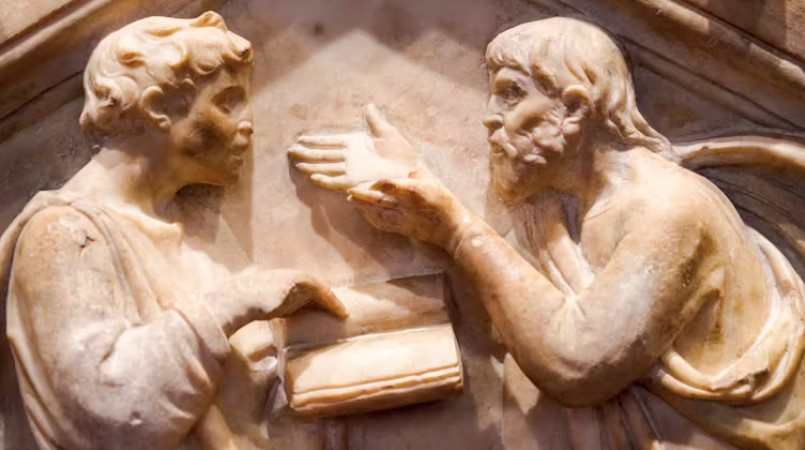
Aristotle held different views from those of his teacher, Plato. He believed there was no one-size-fits-all type of government. Instead, the best type was one that worked well for the people living in it. Also, while he believed leaders should be just and fair, he didn’t think only philosophers should rule.
The classic philosopher studied many governments and divided them into two types: “true forms” that worked for the common good and the “perverted forms” that served the interests of the rulers. He believed monarchies, aristocracies, and polities (rule by many) could be good types of government when leaders chose to work for the people. However, these types could quickly degrade into tyrannies, oligarchies, or democracies (mob rule) when rulers were selfish.
For Aristotle, the ideal form of government was a polity, a well-balanced blend of democracy and oligarchy. A country with absurd inequality between the rich and the poor would have unfair laws and infighting. However, if many people were in the middle, they could balance power, make better decisions, and foster peace.
His ideal government was moderate, fair, and stable, one where no single group wielded too much power. He believed that many people — not just a few wise ones—could be trusted to govern a nation as long as there were good laws to rein in the excesses.
Thomas Aquinas: A just king under God’s law
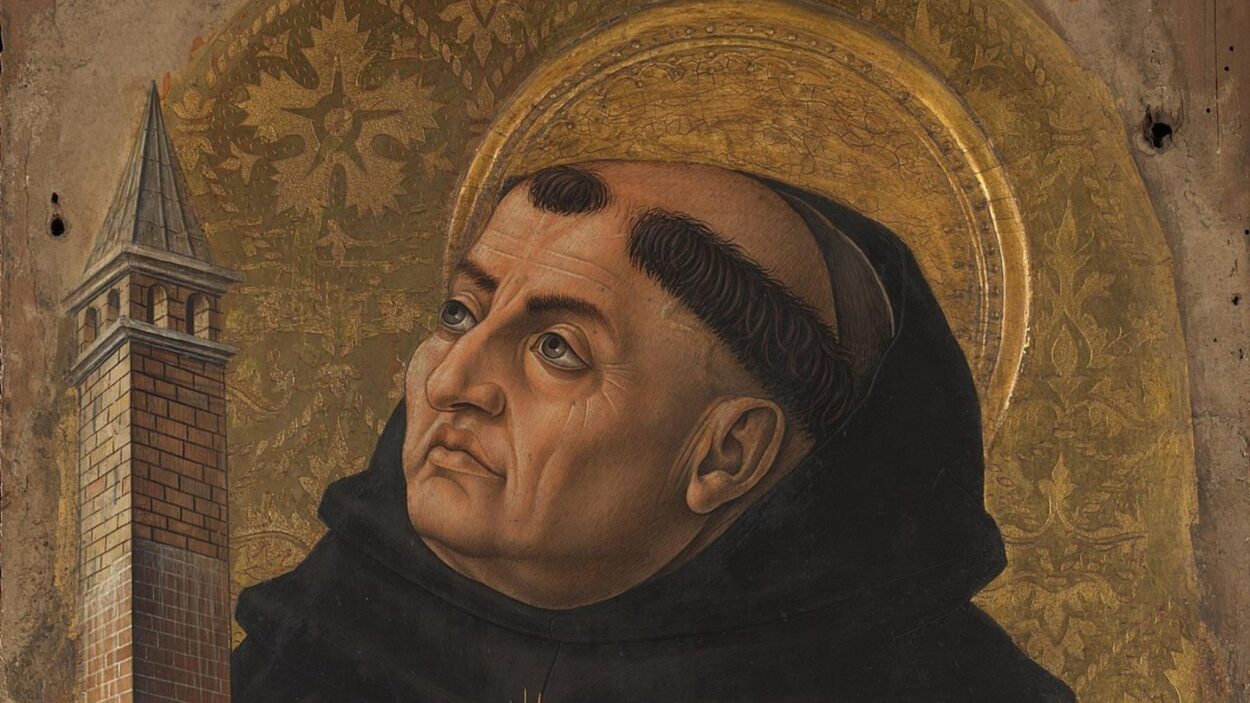
Thomas Aquinas was a philosopher and a priest from the Middle Ages (1200s). The Bible and classical Greek philosophers, such as Aristotle, influenced his philosophy. Aquinas believed reason and faith could co-exist. So, the best governments were guided by natural law (what is right by human reason) and divine law (what is right according to God).
According to him, monarchies were the best type of government when ruled by a just and good king. This good ruler couldn’t just do as he wanted since that would make him a tyrant. Instead, they would be guided by morality, wisdom, and Christian values to achieve the common good of the people.
Aquinas further believed that the state should not only provide safety and maintain order, but also help people become virtuous and live in harmony. Justice and peace would naturally follow when kings ruled with kindness and prioritized God’s law above all else.
Niccolo Machiavelli’s power, strategy, and reality
Machiavelli was a philosopher and writer who lived in the 1500s. Unlike earlier (and later) thinkers who dreamed of perfect governments, Machiavelli’s thoughts are based on how power worked. He believed that rulers had to be clever, strong, and sometimes ruthless to survive.
In his book, The Prince, Machiavelli says that people “are fickle, hypocritical, and greedy,” so it’s not always in the best interest of the rulers and government to be moral and kind. He believed rulers must do whatever is necessary to protect their state, even if it means lying, tricking enemies, or using force. The primary goal of government should be stability and order rather than perfection and justice.
Although the term Machiavellian has come to describe deceit, self-interest, and cold calculation, Machiavelli didn’t admire tyrants. Today, he may be associated with dictators, but he believed tyrannical rule always led to eventual instability and failure of a state (he had seen firsthand what political upheaval led to). In his other book, Discourse on Livy, he praised republics, where people had a voice through elected leaders. These types of governments had long-term stability because they had people’s support and encouraged public duty and debate.
Machiavelli’s philosophy is grounded in reality because politics isn’t always about ideals. While philosophers like Plato and Aquinas dreamt of a kind and just system, Machiavelli said rulers must be prepared for the real world, where people are unpredictable, selfish, and sometimes dangerous. Results matter more than dreams, and governments that produce results that appear to benefit people tend to last longer.
Thomas Hobbes’ strong state
Thomas Hobbes’ best type of government may seem unusual to a modern person, but it is essential to consider his context. Hobbes lived in the 1600s, during a time of civil war and chaos in England, and these events shaped his ideas. He believed that people often descended into anarchy, fighting, and being selfish when left to their own devices. In his book Leviathan, Hobbes wrote that without a strong government, human life would be “nasty, brutish, and short.”
His solution to this is a social contract. In his type of government, people should willingly sacrifice some of their individual liberties to gain safety under a ruler. And once people agreed to give up their freedom, they could not reclaim it, even if the ruler was cruel. He believed monarchies where a sovereign had complete control were the ideal states. To Hobbes, peace and stability trumped fairness and justice.
According to Hobbes, a weak government was worse than a cruel one because, without a strong leader, nations quickly descended into violence and fear. Like Machiavelli, Hobbes may sound harsh, but he had a deep-seated desire to avoid war and suffering. To him, an ideal government can prevent chaos, even if it means ruling with an iron fist.
Jean-Jacques Rousseau: The general will of the people
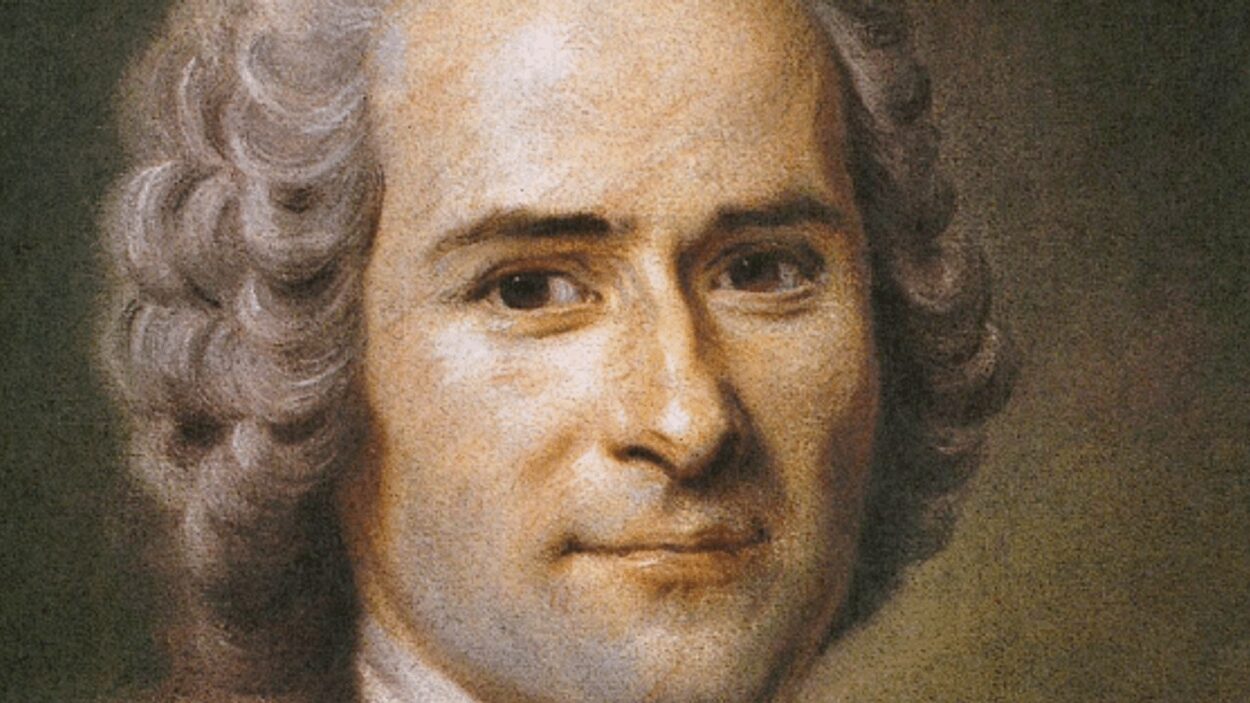
Jean-Jacques Rousseau was a French philosopher who lived in the 18th century, just before the French Revolution. While Hobbes and Machiavelli believed people were naturally greedy and selfish, Rousseau held the opposite belief. He thought people were naturally good but became corrupted by society. In his book, The Social Contract, Rousseau wrote that an ideal government sought to achieve what people as a whole truly wanted.
Rousseau believed people should come together and make laws themselves because kings or powerful rulers were rarely moral, fair, or just. So, freedom didn’t mean doing what you wanted but living under laws you helped create. This became the foundation of direct modern democracy.
If a government ignored the will of the people, it had no right to govern at all. This vision was idealistic during his time, but it inspired people to demand that governments serve them rather than just the few.
John Locke and Jeremy Bentham: Rights and the greater good
John Locke was a 17th-century English philosopher. Although he was a contemporary of Thomas Hobbes, he disagreed with the idea of absolute power. Locke believed that people had natural or inalienable rights (property, liberty, and life) that no leader should take away. So, people had the right to choose a leader or ruler who would protect these rights, not one who would suppress them. Locke was the first to publicly propose that if a leader chose to be authoritarian, people had a right to change the government, and these ideas inspired the French and American Revolutions.
Like Hobbes, Locke also believed the people and the government should have a social contract. However, the similarity ends there because Locke’s contract was about forming a government that served the people’s best interests, not giving up their freedoms. His ideal state was a representative government where leaders were chosen by their citizens, and he laid the foundation of a government “by the people, for the people.”
Conclusion: Who should rule, and who should benefit?
Throughout history, great thinkers have sought to devise the most effective system for governing people. Plato believed the wise should be at the helm, while Aristotle favored a balanced system where the many kept power in check. Fast forward to the Middle Ages and Renaissance, philosophers like Aquinas thought a kind and moral king should lead an ideal government. At the same time, Machiavelli emphasized the importance of strength, survival, and the harsh realities of human nature. Hobbes feared chaos and advocated for a strong ruler, while Locke believed leaders should serve the people. All these thinkers had different answers to the same question.
These thinkers may have disagreed on the ideal government, but there’s an even deeper question. Whose government is it? Almost every philosopher agrees that, whichever the means, a government should serve the common good and the well-being of its citizens. The goal is to ensure fairness, justice, dignity, and peace for as many people as possible.
In modern times, thinkers like Jeremy Bentham’s utilitarianism suggested that good governments are those that provide the most happiness, justice, and safety for the majority of people. While people may disagree on the perfect system, the question of governance remains as relevant today as it was in ancient Greece, medieval Europe, or ancient China. So, now it’s your turn to think like a philosopher: What kind of government do you believe serves people best?
Follow us on X, Facebook, or Pinterest
