

When news broke in Hong Kong that wealthy heir Ho Po-Sang had lost the equivalent of US$13 million in a single night at a casino, the public was stunned. Ho himself, however, appeared indifferent. Having inherited a vast fortune of approximately US$3.4 billion and enjoying a career as a rising star in Hong Kong’s entertainment industry, he was accustomed to driving luxury cars, living in mansions, and spending without restraint. What few expected was that, at the age of 38, he would renounce his entire inheritance, shave his head, and begin life as a monk, severing himself from the secular world.
From privileged heir to entertainment star
Born in Hong Kong in 1967, Ho was the only son of a prominent banker. His upbringing matched the image many people hold of a wealthy heir — everything came easily, and he faced few obstacles. He studied interior design at a well-known university in Canada before returning to Hong Kong. Rather than step into the family banking business, Ho sought his own path and entered the design field.
By chance, he was introduced to the entertainment industry, where his good looks and charisma quickly made him a rising star as both an actor and a singer. His career gained momentum, but behind the glamorous image was a growing obsession with gambling.
The grip of gambling
According to his friend and fellow actor Lui Chung-Yin, Ho gambled almost every day. He even set up a private casino in his own mansion. Gambling was no longer just a pastime; it had become an addiction. On days when he didn’t gamble, he struggled to focus on anything else.
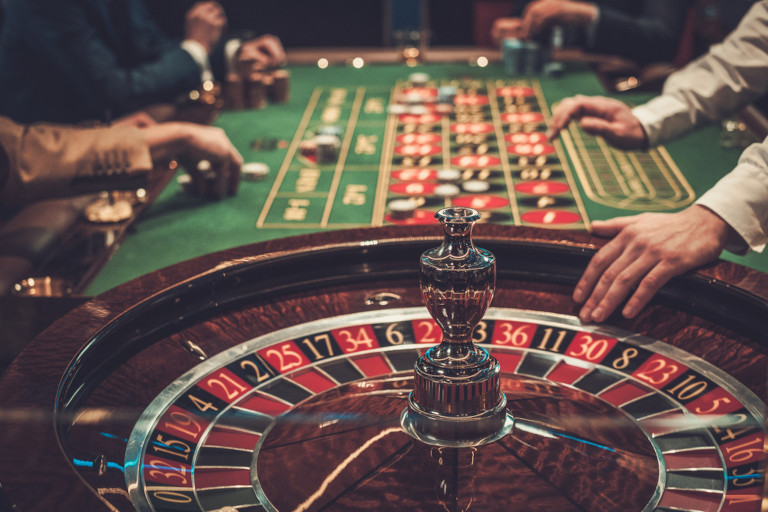
Unfortunately, his enthusiasm far outweighed his skill. He often lost heavily, sometimes millions in a single night. Despite his immense wealth, Ho began to reflect on the emptiness of his life, once admitting to himself: “Besides money, I have nothing else.”
Turning toward Buddhism
Ho and Lui eventually visited a monastery together, where they experienced the influence of Buddhism. Lui became a vegetarian, while Ho experienced a more profound awakening. He began to lose interest in fame and fortune, and the entertainment offers he once eagerly pursued no longer appealed to him.
He turned down leading roles in films and declined lucrative record deals. One by one, he sold his properties and gave away his wealth to charity. To persuade his parents, Ho spoke with them at length over three days, opening up about his inner struggles and his search for life’s true meaning. In the end, his parents accepted his decision.
In 2005, at the age of 38, Ho shaved his head and formally became a monk at Po Lin Monastery on Lantau Island, taking the name Daosheng.
A new way of life
Ho’s life in the monastery was starkly different from his past. Rising at 3 a.m. each day, he recited Buddhist scriptures before working in the monastery fields. He slept just six hours a night and followed a simple routine of study, meditation, and labor.
The monastery’s remote location required self-sufficiency, and Ho embraced the hard work. The once-lavish heir now lived in a room of just a few square meters. Instead of being surrounded by glittering wealth, he found peace in simplicity.
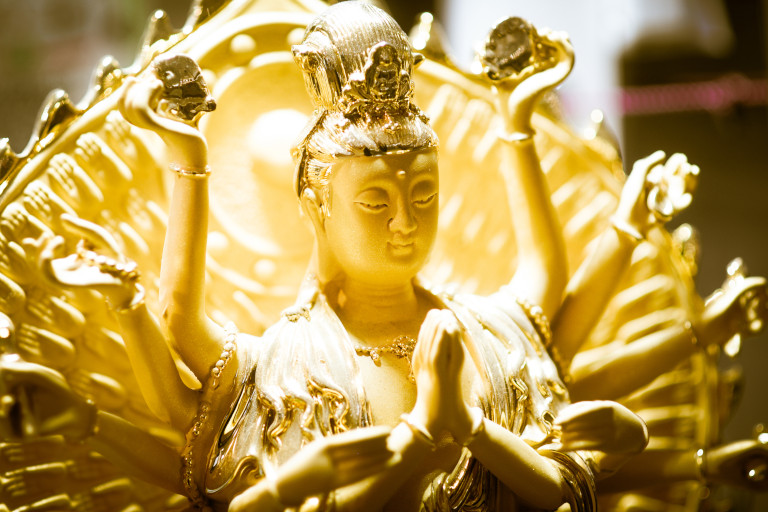
In 2008, his name reappeared in the news after a theft at the monastery. When he discovered that a gold chain from the Thousand-Hand Guanyin statue had been stolen, he chased the thief down the mountain, only to be injured in the process. Reflecting afterward, Ho explained his choice to leave the world behind: “I had believed in Buddhism for ten years before I became a monk. I never understood the purpose of life, but through Buddhist scriptures, I found clarity and liberation, and became a more grounded person.”
Choosing peace over fortune
The media highlighted the contrast between the life Ho left behind and the one he chose. He had abandoned an inheritance of billions and luxury estates to live with only the barest necessities. To many, his decision was incomprehensible.
Yet as an old saying goes: “Home is where the heart finds peace.” For Ho Po-Sang, true happiness came not from wealth or fame but from the stillness of a monastic life. What others saw as loss, he saw as liberation. By setting aside worldly desires, he discovered a life of clarity, peace, and fulfillment.
Translated by Elaine
Follow us on X, Facebook, or Pinterest
