
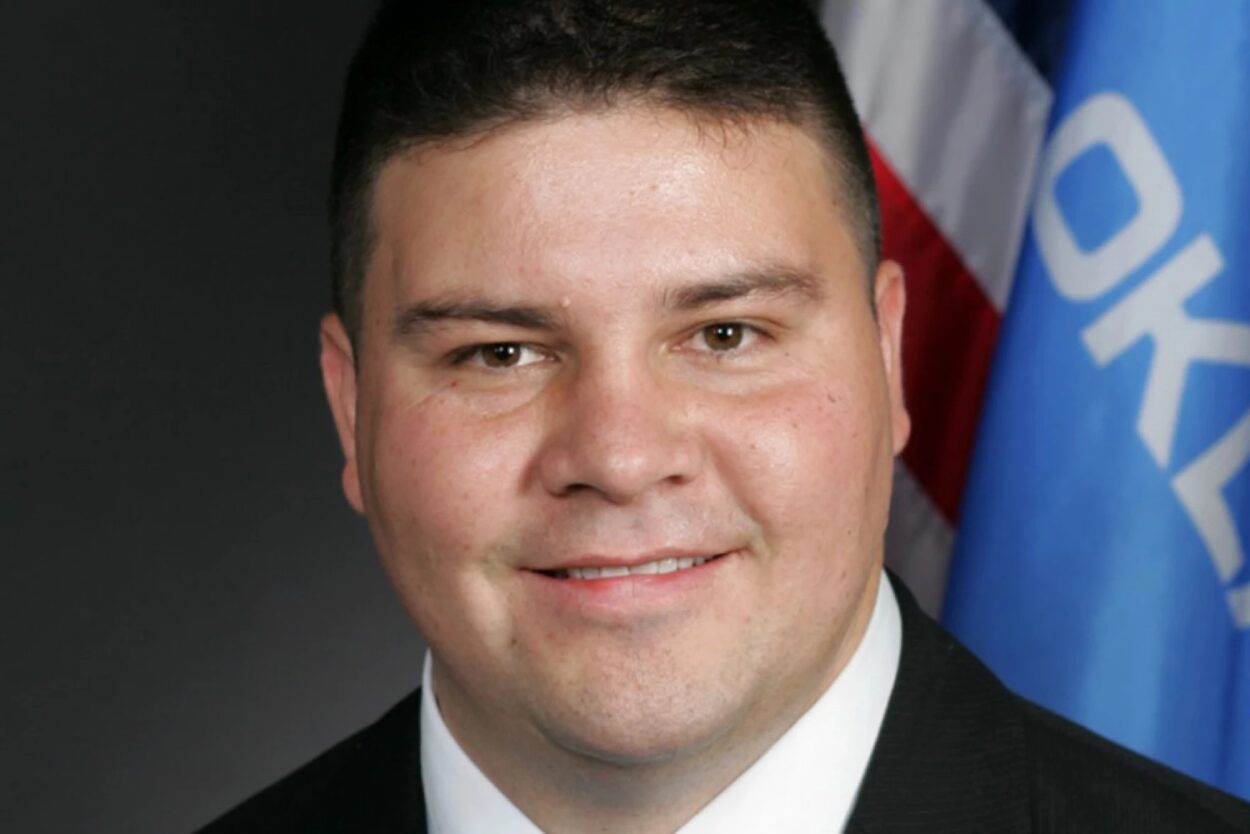
In January of 2012, the Oklahoma legislature quietly received a bill that seemed almost too strange to be real. Filed by Republican State Senator Ralph Shortey, Senate Bill 1418 declared: “No person or entity shall manufacture or knowingly sell food or any other product intended for human consumption which contains aborted human fetuses in the ingredients or which uses aborted human fetuses in the research or development of any of the ingredients.”
The phrasing alone guaranteed headlines. Within days, outlets ranging from NPR to The Los Angeles Times and The Atlantic picked up the story. Some readers reacted with disbelief, others with scorn. “Didn’t know it was a thing,” quipped one columnist. Social media turned it into a punchline: a law against “fetus food.”
But beneath the ridicule, the episode revealed something more complicated: the uneasy relationship between scientific innovation, ethical boundaries, and public trust. Was this just political theater in Oklahoma? Or an early flare warning of deeper ethical battles brewing at the edge of biotechnology?
The spark behind the legislation
Senator Shortey never claimed that Oklahoma grocery stores were stocking soda laced with fetal tissue. Instead, he pointed to a growing unease about the way cell lines derived from human embryos were being used in research and product development.
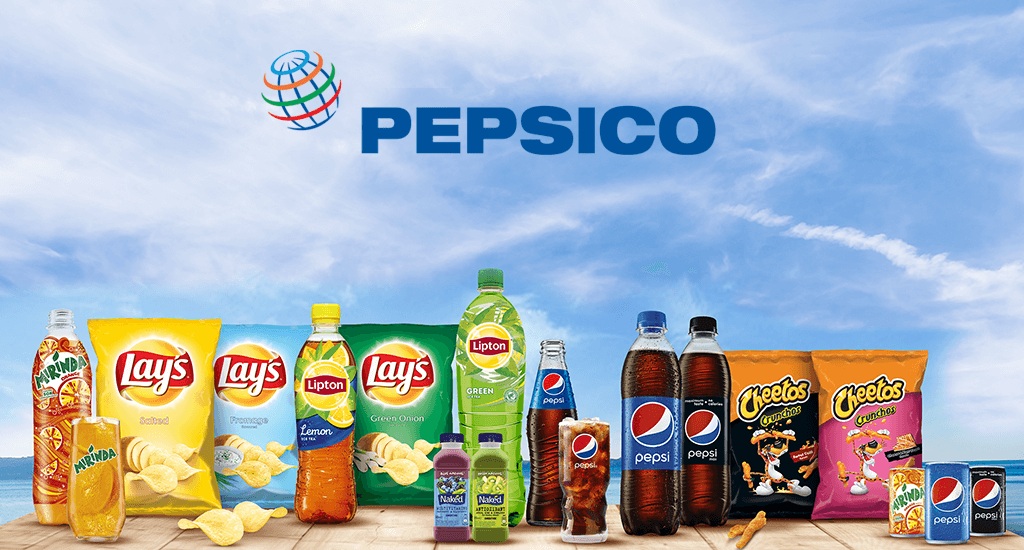
His concern seemed tied to reports that Senomyx, a California-based biotech company, was partnering with major food manufacturers, such as PepsiCo, to develop artificial flavorings. In 2011, the watchdog group Children of God for Life accused Senomyx of using a cell line known as HEK 293 — short for Human Embryonic Kidney cells first derived in the Netherlands in the early 1970s — as part of their testing process.
Senomyx denied that fetal material was present in any finished food, emphasizing that the cells functioned only as a testing tool. Indeed, HEK 293 is a widely used cell line across the biotech industry, particularly in drug development. But for Shortey, the ethics mattered: If embryonic cells were anywhere in the pipeline, he wanted them nowhere near food production in Oklahoma.
“I don’t know if it is happening in Oklahoma, it may be, it may not be,” he told Tulsa radio station KRMG. “What I am saying is that if it does happen, then we are not going to allow it to be manufactured here.”
The science, the ethics, and the fog between them
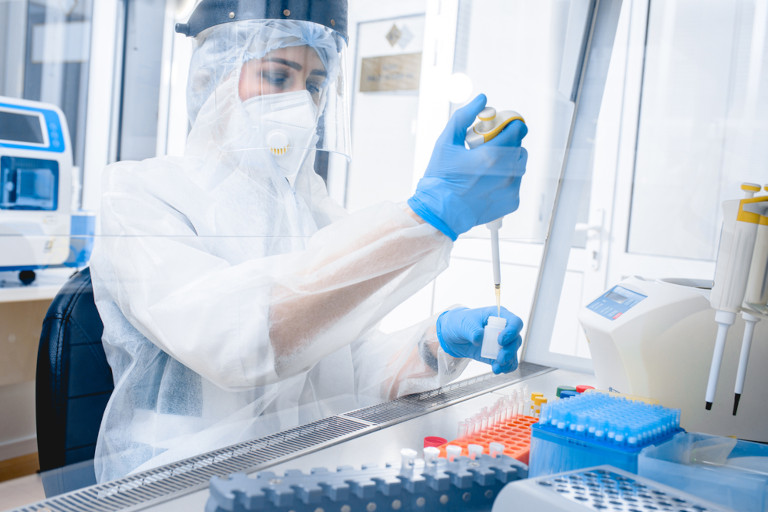
To scientists, the distinction between using a human-derived cell line in a laboratory assay and “putting fetuses in food” is obvious. Yet that nuance rarely survives the political arena. HEK 293 cells are immortalized — meaning they reproduce indefinitely in lab conditions. The cells available today are many generations removed from the original embryonic source, dating back to the 1970s.
Still, the visceral reaction is understandable. The very phrase “fetal cells” conjures moral and emotional weight. In the early 2000s, stem cell research had already ignited fierce national debate, with President George W. Bush placing federal limits on embryonic stem cell funding (NIH). For many, the thought of corporations leveraging such material for consumer products crossed a line — even if it was indirect.
This is where ambiguity thrives: Scientists argue that no fetal tissue enters any food; activists say that corporate secrecy and patent complexity keep the public in the dark. Who is right? Perhaps both. Senomyx filed patents that explicitly mention HEK 293 in flavor receptor assays (Google Patents). That is not the same as fetal cells in your soda can — but it does mean that the tools of biotechnology, rooted in ethically contested origins, are present in the chain of food innovation.
Why did mockery come so quickly?
Media coverage leaned heavily on ridicule. The Atlantic wryly noted that Shortey “did not expect the little ban on fetuses in food he’s proposed to get the kind of attention it’s gotten.” The Los Angeles Times marveled that anyone would even consider writing such a bill.
There were reasons for the skepticism. Shortey had a record of filing bills that seemed designed more to provoke than to legislate, including measures targeting undocumented immigrants. And Senate Bill 1418, with its stark language about “aborted fetuses,” was destined to become meme material.
But ridicule can also serve as a form of deflection. Turning a subject into a joke makes it easier to dismiss, even if there are unresolved ethical concerns. After all, the bill was not invented out of thin air; it reflected a genuine concern about the intersection of science and industry.
The deeper stakes
One can take two views of the Oklahoma bill:
- The skeptical view: It was a solution in search of a problem, a way for a politician to grab headlines by drafting an inflammatory statute against something that wasn’t happening. Scientists assured the public that no fetuses are in food, and suggesting otherwise misinforms.
- The cautionary view: Even if the bill was clumsily worded, it raised valid ethical questions about transparency in biotechnology. Companies like Senomyx operated mainly out of public view. Their methods relied on cell lines derived from human embryos. Consumers had no way of knowing — and perhaps no say in whether that was acceptable.
Both perspectives reveal a truth about governance in the biotech era: the gap between what scientists understand and what the public fears is vast, and into that gap rushes politics, religion, and culture wars.
What happened to the bill
In practice, Senate Bill 1418 never advanced. It failed to make it out of committee, and Oklahoma did not outlaw research or products tied to embryonic cell lines. Senomyx itself was eventually acquired by Swiss flavor giant Firmenich in 2018, disappearing quietly into the fabric of global food science.
The bill lives on mainly as an artifact in the digital archive of curious legislation — often cited alongside “strange laws” lists or shared as an example of political theater. Yet, for those who remember the media storm, it is also a reminder that mockery can obscure complexity.
Why this still matters today
The underlying questions remain urgent. As biotech continues to shape the food industry — from cultured meat derived from animal stem cells to genetically edited crops — public trust depends on transparency. When patents cite fetal cell lines, or when watchdog groups uncover uncomfortable details, consumers deserve clear information, not euphemism.
Ethics in science are rarely simple. What begins as a cell harvested decades ago may become a routine laboratory tool, stripped of its original moral weight in the eyes of researchers. Yet for many citizens, that history cannot be erased.
Conclusion: The lesson of the ‘fetus food’ bill
Oklahoma’s Senate Bill 1418 was never enacted. But the conversation it ignited still matters. Whether one sees it as absurd or prescient depends on how one balances scientific explanation against ethical instinct, and how much one trusts corporations to disclose the truth. Perhaps the real legacy of this bill is not its failure in committee, but its enduring question: At what point does innovation cross a moral boundary, and who gets to decide?
In an age when science moves faster than public understanding, those questions deserve more than mockery. They deserve a public square where citizens can weigh the facts, the fears, and the possibilities — and make their own judgment.
Follow us on X, Facebook, or Pinterest
