
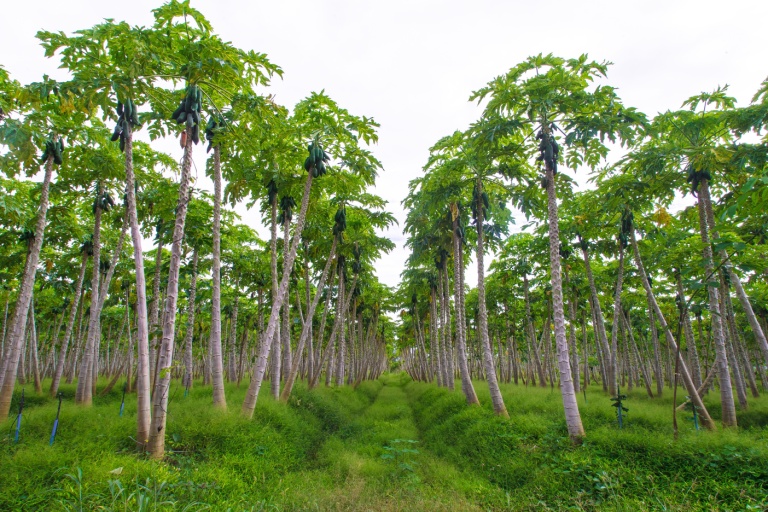
The papaya trunk holds surprising economic and medicinal benefits beyond its well-known fruit, making it a valuable resource that Thai farmers have long prized.
In a small village in northern Thailand, as dawn spreads gold across the karst-limed hills, farmers rise to tend fields of papaya trees. The fruit — sweet, lush, orange — is familiar. But at the heart of the tree lies another source of value, less visible yet profound: the trunk. For generations, Thai farmers have known that papaya is more than just its fruit. The trunk, they say, pulses with latent power — nutritional, medicinal, economic — waiting to be unlocked.
The overlooked anatomy of value
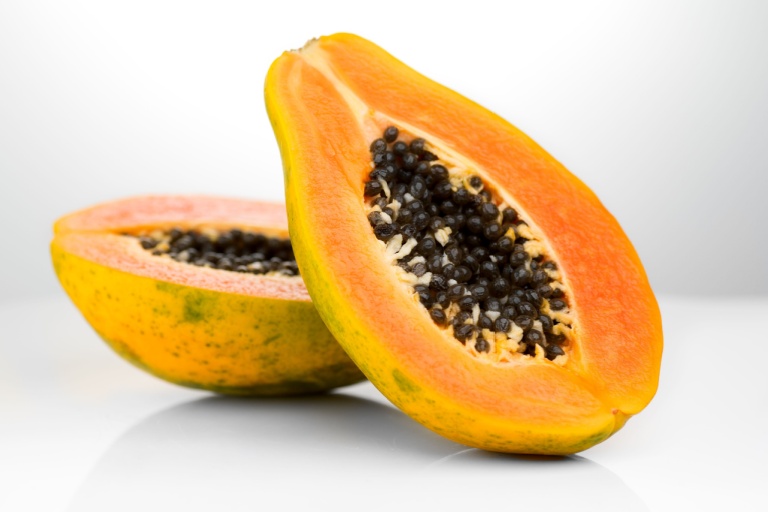
When most people think of Carica papaya, they think of the fruit. They think of papaya salad, papaya juice, ripe flesh that yields with a spoon. Yet in traditional Thai practice, the trunk — the bark, the inner core, and the milky latex within — is equally prized. Although formal studies often focus on leaves, seeds, or fruit, the trunk houses many of the same bioactive compounds: enzymes like papain and chymopapain, antioxidants, fibers, and nutrients such as vitamins A, C, E, potassium, and magnesium.
A 2022 Diversity study entitled “Carica papaya L.: A Tropical Fruit with Benefits beyond the Tropics” notes that papaya is “rich in fiber, antioxidants, and vitamin C, it lowers the cholesterol in the arteries; prevents arthritis; reduces aging, cancer, macular degradation …” among other benefits. Much of this research focuses on fruit or leaves; however, the biochemical traits are not confined to these parts alone.
Papain — an enzyme particularly abundant in the latex (a sap-like fluid present throughout the papaya plant, including the trunk) — has long been the bridge between folk knowledge and scientific interest. In the pharmacological literature, papain is renowned for its ability to cleave protein strands, thereby aiding digestion, reducing inflammation, and promoting wound healing.
Thai traditional uses: Beyond folklore
In many Thai communities, the papaya trunk is not mere waste. After fruit harvest, trunks are sliced, sun-dried, and used in herbal preparations. Decoctions from the trunk may be boiled for teas intended to soothe digestive discomfort, reduce inflammation, or help postpartum women regain strength. Poultices and topical applications sometimes include trunk-derived sap or crushed woody fibers for aches, bruises, or muscle soreness.
While much published ethnobotanical research tends to focus on the leaves and fruit, the Herb Society of America blog records that Thai traditional practices regard papaya as an “old-fashioned remedy … good for overall health,” including uses in both digestion and circulation. Another study in the Daru Journal of Pharmaceutical Sciences, titled “Therapeutic application of Carica papaya leaf extract in the management of human diseases” confirms that in various cultures, parts of the papaya plant are used to treat ailments like fever, asthma, colic, jaundice — suggesting a holistic medicinal ethos that likely includes trunks in some local variants of use.
In short, the trunk is more than structural support; it is medicinal architecture. It is the ladder between what grows unseen and what heals.
Nutritional science: What’s in the papaya trunk
Scholarly laboratories have yet to map the papaya trunk in as much detail as fruit or leaf, but enough is known to sketch its profile.
- Enzymes: Papain and chymopapain are proteolytic enzymes present in latex, which is found in the trunk’s bark and inner tissues. These enzymes help break down proteins, easing digestion and reducing inflammation.
- Antioxidants and phytochemicals: Flavonoids, phenolic compounds, vitamin C, and related antioxidants are abundant in papaya (especially in leaves and fruit, but latex from the trunk is known to carry some of these compounds). These substances help neutralize free radicals, protect cells, and reduce oxidative stress.
- Minerals and fiber: The trunk’s woody core, when processed, contributes insoluble or semi-soluble fibers, and some mineral content (potassium, magnesium) that help with electrolyte balance and cardiovascular health. While published data for the trunk alone are sparse, by analogy with whole-plant studies, these components are expected.
Thus, the nutritional density of the trunk is not a myth: it is a plausible, scientifically grounded reality.
Economics: Turning wood into wealth
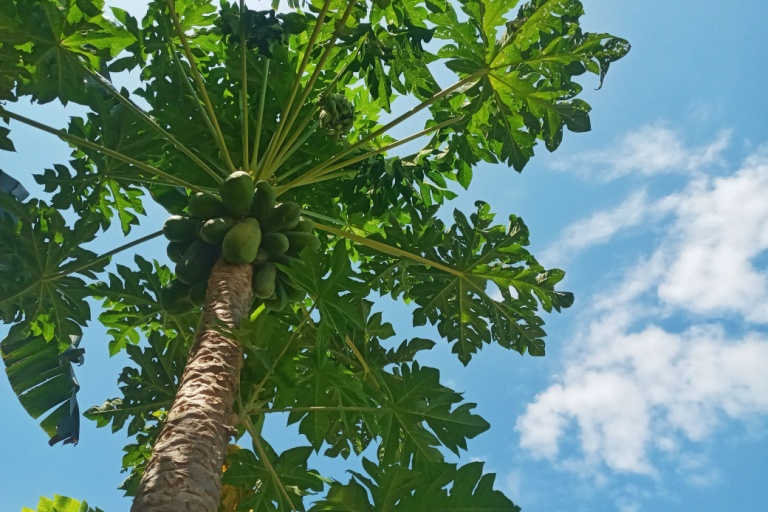
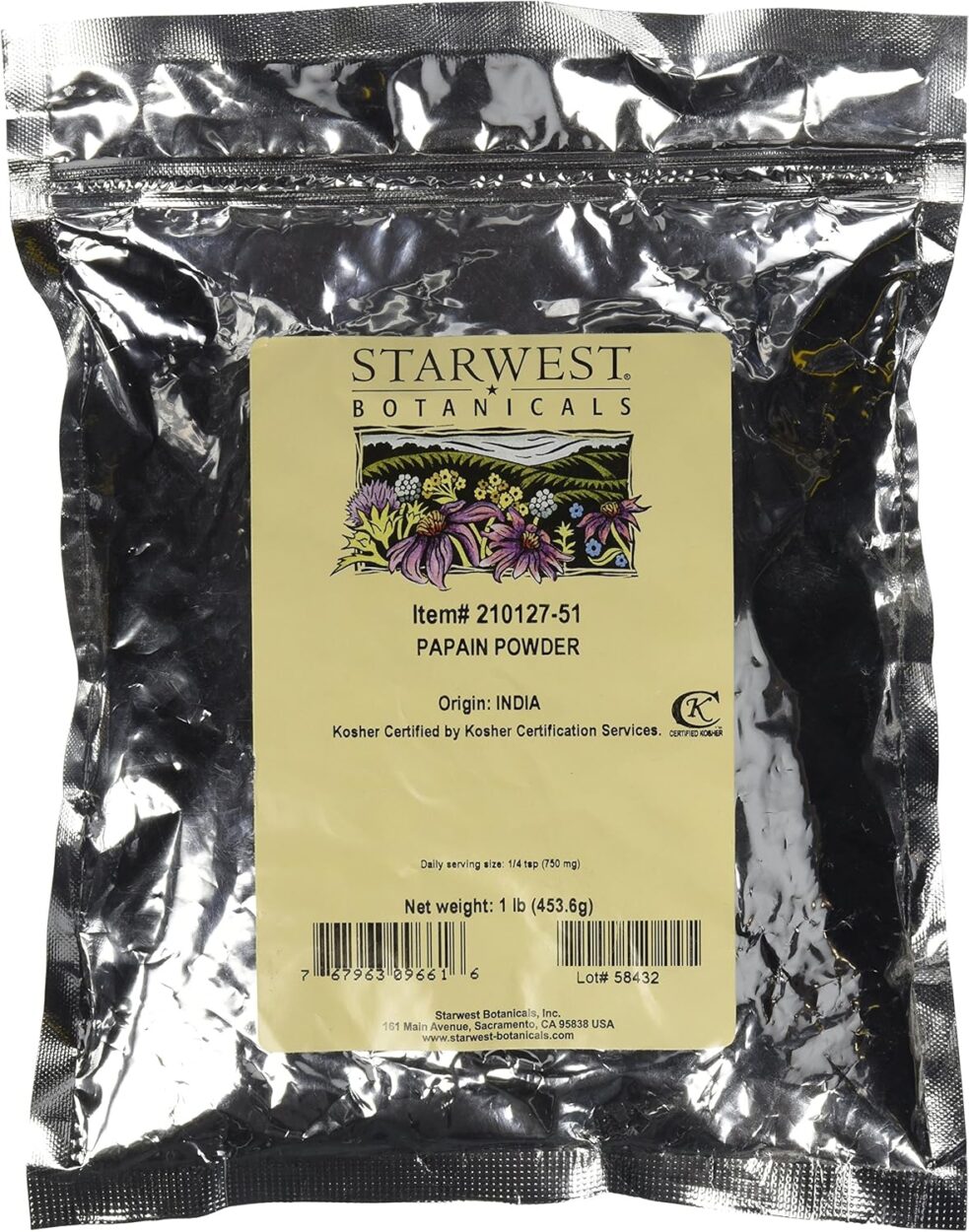
What elevates the papaya trunk from traditional lore to modern commerce is its latent economic potential. The enzyme papain is a key player in a global market. The papain powder market is projected to grow from approximately US$197 million in 2024 to $273.7 million by 2033, driven by demand in pharmaceuticals, food processing, cosmetics, and other health industries.
Thailand is one of the major papaya-cultivating countries in Southeast Asia. While much of its export earnings derive from fresh fruit, there is increasing interest in papaya latex, leaf, and stem extracts. One article reports that a market for crude papain exhibits pricing variance, depending on purity and grade, with some sources listing a price range of US$50 to US$200 per kilogram for high-grade papain.
Although there is less published data specifically valuing trunk material versus fruit in Thailand, studies from India provide suggestive models. For example, in Tamil Nadu, farmers engaged in contract farming for papain production realized gross returns from papain that, in some cases, rivaled or exceeded those from fruit when measured per hectare.
These numbers suggest a possibility: if the trunk (and its latex or processed extract) is correctly harvested, preserved, and marketed, it may offer farmers a second income stream — one that in some niche markets could outstrip fruit revenue per weight or per invested labor.
Challenges: harvesting, processing, and validation
Yet the path from tree trunk to wellness product is not without obstacles.
- Research gaps: There is a limited amount of peer-reviewed data quantifying exactly how much papain or antioxidants are derived from the papaya trunk (as distinct from the fruit or leaf). Most studies focus on leaves or seeds or the whole plant; discrete data on trunk-only extracts are rare.
- Processing difficulties: The trunk is woody and fibrous, and separating valuable latex or sap requires specialized skill. Drying, slicing, or powdering must be done in clean conditions to avoid spoilage or contamination. Enzyme activity is sensitive to heat, pH, and exposure to oxygen.
- Regulatory and safety standards: Herbal products made from trunk material will face the same regulatory scrutiny as other plant extracts. Demonstrating consistent potency, purity, and lack of contamination is essential, particularly when the end product enters international export markets.
- Cultural acceptance and awareness: While local knowledge may appreciate the trunk’s value, bringing that value to broader consumer awareness requires marketing, scientific validation, and trust. Some consumers might be skeptical of “trunk-tea” or powders made from woody parts unless clearly processed and tested.
Voices from the ground
In whispered conversations among farmers, when the light bends just so over wet trunks, there is pride in what has been traditionally overlooked. A Thai farmer once told a visiting researcher, “We do not throw away the heart of the tree; it is medicine in waiting.” Another elder remembered times of hardship when fruit failed, but bark and sap became tinctures, teas — small lifelines of relief. These voices may not appear in scientific journals, but they are living evidence of a knowledge strand older than most formal studies. And increasingly, science is catching up.
Toward a model of sustainable value
If papaya trunks are to be more than anecdote, the model needs to be sustainable, equitable, and rooted in both local tradition and scientific rigor.
- Integrated farming: Farmers can plan for dual output — fruit for food markets, trunk or latex for herbal products. This requires careful pruning, harvesting of trunks at end-of-life stages, or perhaps even dedicated planting for trunk yield.
- Safe processing: Institutions or cooperatives can provide facilities for drying, enzyme extraction, and quality control. This helps preserve medicinal qualities and meet export standards.
- Scientific validation: More targeted studies to isolate and quantify enzyme yield in trunk bark or sap; to measure antioxidant activity of trunk extracts; to test clinical safety and efficacy of trunk-derived products.
- Market development: Developing demand for trunk products — teas, tinctures, enzyme powders — both in Thailand and in global wellness markets. Educating consumers, branding, and certifications (organic, GMP, etc.) can help unlock value.
- Regulatory frameworks: Ensuring that herbal supplements derived from trunk materials meet safety guidelines; working with government agricultural and medicinal agencies to integrate trunk products into legal, exportable streams.
A reconceived orchard
To walk among a Thai papaya orchard is to see more than a fruit factory. It is to imagine that every trunk is not just a support, but a possibility. That the sap pulsing inside is both history and future, that wood might, under the right hands, become medicine; that good bark might become a tonic; that what many consider waste might in time be wealth.
If we shift our gaze — from fruit alone to the whole tree — we see not just papaya, but potential. The trunk is a repository of nutrients and enzymes that science increasingly validates; economics is discovering it is a commodity of rising value; tradition has long known its gifts.
In reclaiming the trunk, Thailand may not only preserve its botanical heritage, but also offer a template for economies built not just for yield, but for wholeness.
Follow us on X, Facebook, or Pinterest
