

On September 16, the Billie Jean King Cup Finals opened in Shenzhen, Guangdong Province. U.S. team player Taylor Townsend attracted widespread attention after posting a series of videos on social media criticizing some of the Chinese dishes she encountered.
She said she was “shocked” to see ingredients such as frogs, bullfrogs, and turtles used in local cuisine, adding that the only food she found remotely acceptable was noodles. Overall, she rated Chinese food “two out of ten,” sparking heated discussion among netizens in China.
Harsh comments on Chinese dishes
Townsend described her experience at a buffet:
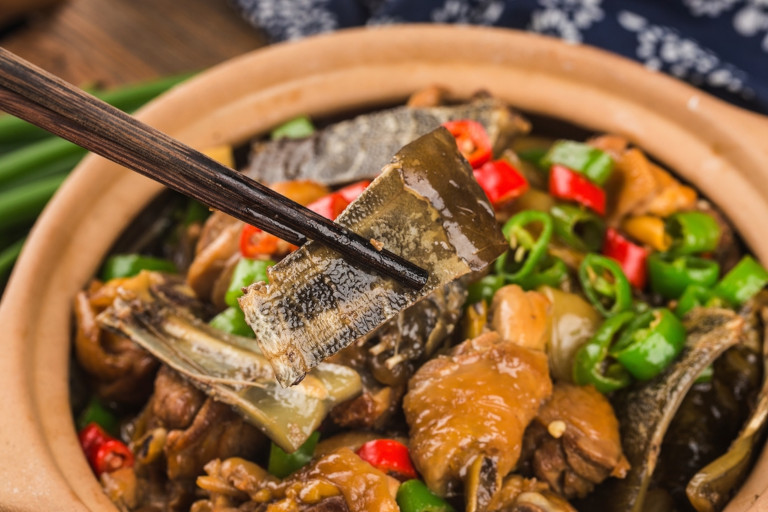
“I was honestly shocked at what I saw. They were actually serving frogs and bullfrogs. Aren’t those poisonous? Don’t they give you warts or sores? And then turtles, stewed together with chili peppers and onions. You actually made a dish out of it. There were also sea cucumbers staring at me on the table. The only thing we ate was noodles.”
She continued:
“All in all, I’d give it a two out of ten, because it was crazy. There were crawfish, with gloves provided like in Louisiana, and people were eating them up. Then there were fried skewers with chicken and meat, chicken gizzards and hearts, and even slices of a huge animal lung. I didn’t know which animal it was from, but it was just lying there. There was also a skewer with only chicken skin and onions. Some of it I could accept as offal, but that lung was just too much.”
According to reports, she also mocked Chinese dishes such as braised soft-shelled turtle and dry pot bullfrog, saying: “Eating turtle and bullfrog is crazy. It’s the craziest food I’ve ever seen. People actually eat that.”
A quick apology
Later the same night, Townsend posted a new video to apologize:
“I would like to sincerely and wholeheartedly apologize. As a professional athlete, I know I am very fortunate to be able to travel the world and experience cultural differences. That is one of the reasons I love my career. I want to express my gratitude to my country for giving me the opportunity to compete, and I will honor that in a more responsible manner. At this time, there is nothing more I can say except to sincerely apologize. Thank you.”
Why certain foods divide opinion
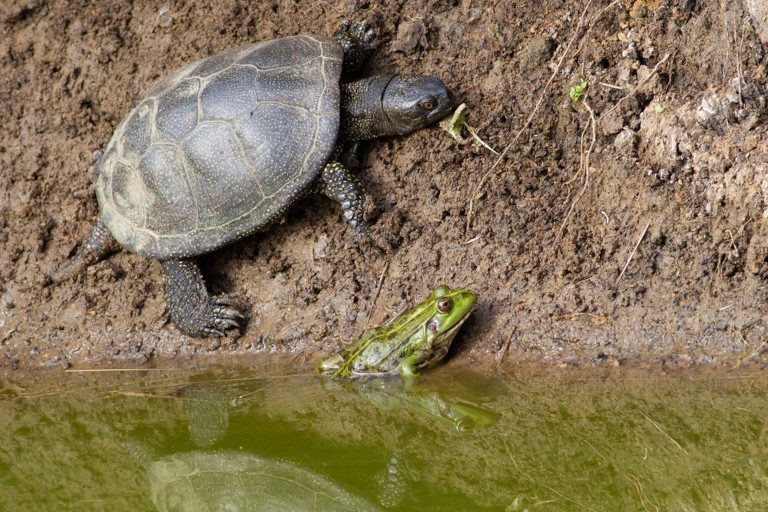
While Townsend’s reaction came across as harsh, it also touched on a truth: Frog and turtle dishes are not universally eaten in China. They are considered specialties in certain regions, especially southern provinces like Guangdong and Hunan, where frog meat is appreciated for its delicate texture and soft-shelled turtle is regarded as a nutritious delicacy with a long history in traditional cooking.
At the same time, many Chinese people avoid these foods entirely, either out of personal taste, health concerns, or cultural taboos. For international visitors unfamiliar with the culinary traditions, the sight of such ingredients can be startling, especially when presented in large buffets that mix everyday fare with regional specialties.
Sports, social media, and cultural clashes
Townsend’s remarks highlight how athletes’ social media presence can quickly turn a private reaction into an international talking point. Within hours, her comments circulated widely in both Chinese and international media, sparking discussions not only about food but also about cultural sensitivity and respect when competing abroad.
Some netizens argued that organizers should be more careful when planning menus for major events, avoiding dishes that might cause discomfort for foreign athletes. Others insisted that cultural differences should be met with curiosity rather than judgment, especially from public figures with large audiences.
Netizen reactions
Her comments ultimately drew a mixed response from Chinese netizens. Some felt her words were disrespectful, while others admitted that even within China, dishes like bullfrog and turtle are divisive.
- “Bullfrog and turtle — plenty of Chinese people don’t eat those either,” wrote one commenter.
- Another pointed out: “There have been concerns about drug residues in farmed bullfrogs. In a way, she accidentally raised a valid issue.”
- A Shanghai resident added: “Even here, these foods are not mainstream. I personally wouldn’t touch them, not even the soup. Hotels hosting international athletes should avoid controversial dishes. If I were served this, I might give it zero points. But this doesn’t mean it’s an insult to all of Chinese cuisine.”
Translated by Eva
Follow us on X, Facebook, or Pinterest
