
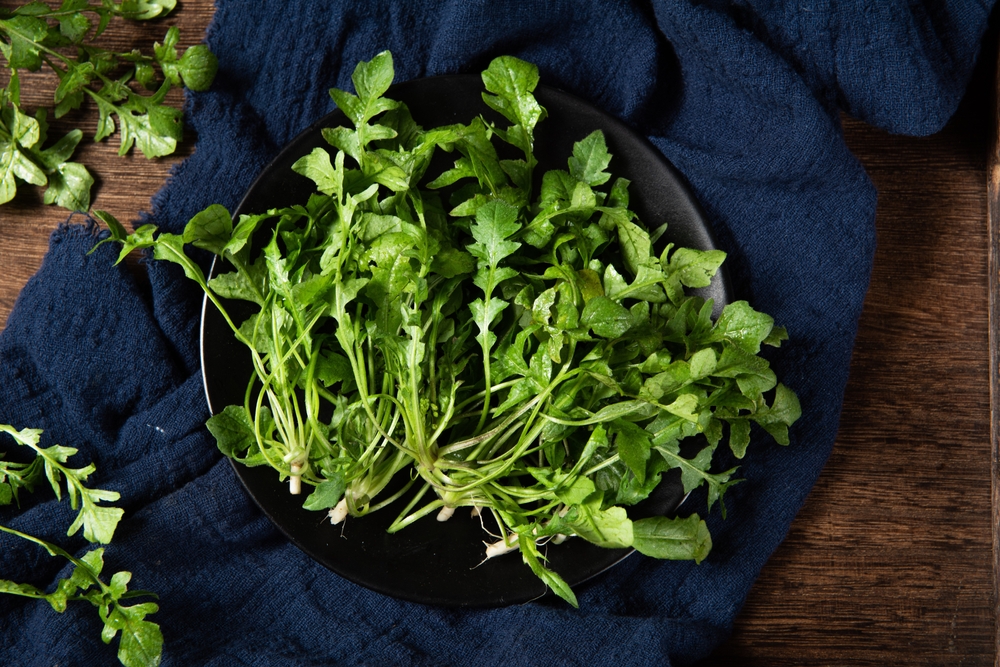
When spring arrives, many people think of nourishing the body with rich foods such as seafood, meat, or expensive tonics. Yet in traditional Chinese food therapy, some of the most valued seasonal ingredients are far more ordinary.
One example is shepherd’s purse, a humble wild green that appears in fields, along paths, and in markets during spring. In Chinese, it is known as jìcài, or 薺菜. Though it may look like a common weed, it has long been appreciated in Chinese cooking and in traditional Chinese medicine (TCM) for its fresh flavor and gentle wellness-supporting qualities.
In folk tradition, shepherd’s purse has been called a treasured spring herb. Some even describe it as the “licorice among vegetables,” suggesting that it is simple, useful, and widely valued. Today, it remains a beloved seasonal food, especially for families who still follow the old wisdom of eating according to the season.
A humble green with a long history
Shepherd’s purse belongs to the cruciferous family, the same broad plant family that includes many leafy greens. Unlike tender greenhouse vegetables, it is often associated with the vitality of early spring, emerging after the cold of winter and bringing a fresh, slightly wild fragrance to the table.
Chinese poets also noticed its charm. An old saying describes spring not through the peach and plum blossoms of the city, but through shepherd’s purse flowers growing by a stream. Su Dongpo, the famous Song Dynasty poet and statesman, also praised its natural flavor.
Part of shepherd’s purse’s appeal is that it feels both rustic and refined. It is inexpensive, easy to prepare, and deeply connected with home cooking, yet it carries a long cultural memory of springtime nourishment.
Why TCM values shepherd’s purse
In TCM food therapy, shepherd’s purse is traditionally described as sweet and mild. It is associated with the liver, heart, and lung meridians and is often valued for clearing heat, supporting the eyes, calming restlessness, and helping the body feel lighter during spring.The
Chinese have described shepherd’s purse as a “heart-strengthening vegetable” and a “blood vessel cleaner.” For an English-language health audience, it is better to understand these phrases as traditional and metaphorical descriptions rather than medical promises.
From a modern nutrition perspective, shepherd’s purse contains potassium, dietary fiber, vitamin C, calcium, and various plant compounds. These nutrients can make it a useful addition to a balanced diet, especially for people who want to eat more leafy greens and lighter spring foods.
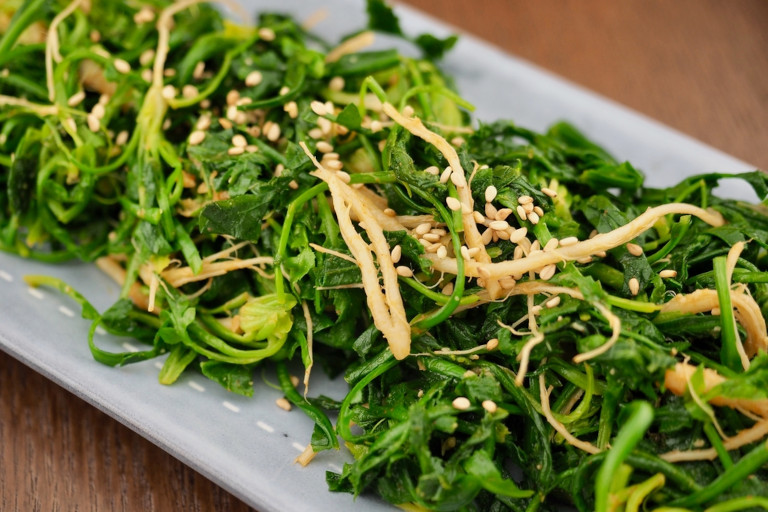
Its potassium and low-sodium profile may also make it a good choice for people following a heart-conscious diet, though anyone with high blood pressure, heart disease, kidney disease, or medication concerns should follow professional medical advice rather than relying on a single food for treatment.
Nutrients packed into a spring vegetable
Shepherd’s purse is easy to overlook because it grows so simply, but it is more nutrient-rich than many people realize.
It is often noted for its calcium content, which supports bone health and muscle function. The vegetable contains about 294 milligrams of calcium per 100 grams, though the exact amount can vary depending on growing conditions and preparation.
It also contains vitamin C, a nutrient that supports immune function and helps the body produce collagen. This may be one reason shepherd’s purse has long been associated with the fresh, renewing quality of spring.
Its dietary fiber is another benefit. Fiber supports healthy digestion and can help promote more regular bowel movements. In TCM terms, this fits the idea of eating lighter foods in spring to reduce heaviness and help the body move more smoothly.
Simple ways to prepare shepherd’s purse
The fresh flavor of shepherd’s purse is one of its greatest strengths. In Chinese cooking, it is often used in simple dishes that let its fragrance shine through.
One classic dish is shepherd’s purse and pork dumplings. The greens are washed, briefly blanched, chopped, and mixed with minced pork. The freshness of the greens balances the richness of the meat, creating a filling that tastes unmistakably like spring.
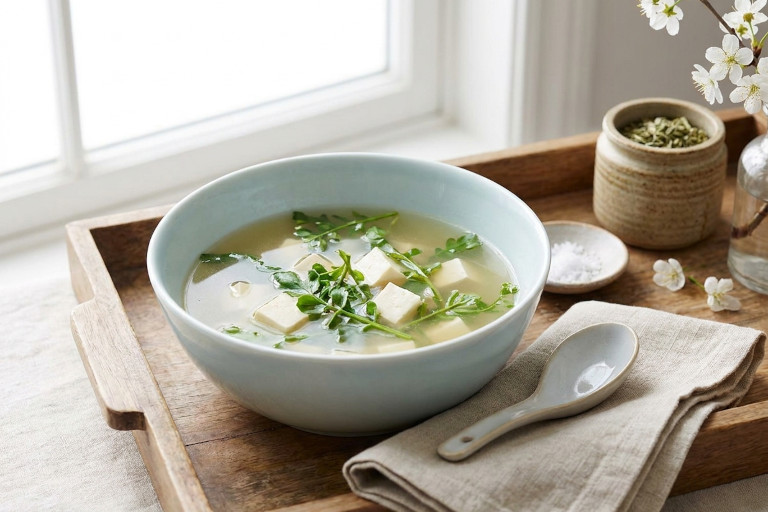
Another gentle option is shepherd’s purse tofu soup. Tender tofu provides protein, while the greens add color and flavor. To make it, cut soft tofu into cubes and chop the shepherd’s purse into sections. Bring water to a boil, add the tofu, then add the shepherd’s purse near the end. Finish with a little sesame oil and a small amount of salt. The result is light, soothing, and suitable for a simple dinner.
There is also a folk custom of cooking shepherd’s purse with eggs on the third day of the third lunar month. In this preparation, the cleaned greens, sometimes including the roots, are boiled with eggs. The eggs take on a mild herbal fragrance, and the dish is associated with seasonal wellness.
How to eat it safely
Although shepherd’s purse is a valued spring food, it should still be prepared and eaten with care.
First, it is best to blanch it briefly before cooking. Shepherd’s purse contains oxalic acid, which can affect mineral absorption and give the greens an astringent taste. A short blanch in boiling water helps reduce this.
Second, avoid overcooking it. Like many leafy greens, shepherd’s purse is best added near the end of cooking and removed once the color changes. This helps preserve its flavor and nutrients.
Third, eat it in moderation. In TCM, shepherd’s purse is considered cooling, so people with a very weak or cold digestive constitution are often advised not to overeat it.
Finally, be careful about where it comes from. Because shepherd’s purse grows wild, some people may be tempted to pick it from roadsides or fields. It is safer to buy it from a market or gather it only from clean areas that have not been sprayed with pesticides and are not exposed to heavy traffic pollution.
A reminder from spring food therapy
In a fast-paced world, it is easy to assume that nourishment must be expensive or complicated. Shepherd’s purse offers a different lesson. Sometimes, the foods most closely tied to health are the simple seasonal ingredients that generations of families have cooked at home.
A bowl of shepherd’s purse tofu soup, a plate of dumplings, or eggs gently infused with its herbal fragrance may not look like a luxury. Yet these dishes carry the wisdom of eating with the seasons, respecting the body’s needs, and finding nourishment in ordinary foods.
As spring greens return to the market, shepherd’s purse is a reminder that wellness can begin with something humble, fresh, and close to the earth.
Translated by Cecilia
Follow us on X, Facebook, or Pinterest
