

Many people believe they eat a completely “healthy” diet: a bowl of cereal for breakfast, sugar-free cola when thirsty, and plant-based meat instead of red meat. However, according to cardiologist Dr. Sanjay Bhojraj, these choices — often perceived as healthy — may conceal hidden risks that accelerate blood vessel aging and disrupt metabolism.
As reported by CNBC, Dr. Bhojraj has spent more than 20 years treating patients with heart disease. He has observed that even people who exercise regularly and manage stress well can still struggle with cardiovascular health. In many cases, the underlying issue isn’t a lack of effort — it’s what shows up on their plates day after day.
8 common foods to avoid, regardless of convenience or popularity
1. Refined starches
White bread, white toast, and cookies may be appealing, but Dr. Bhojraj warns that long-term overconsumption of refined starches can increase the risk of diabetes and contribute to cardiovascular problems.
2. High-sodium canned soups
Canned concentrated soups often contain more than 80 percent of an adult’s recommended daily sodium intake. Regular consumption can raise blood pressure and increase the risk of heart failure. High sodium levels are also common in other processed soups and sauces, underscoring the importance of monitoring overall dietary sodium intake.
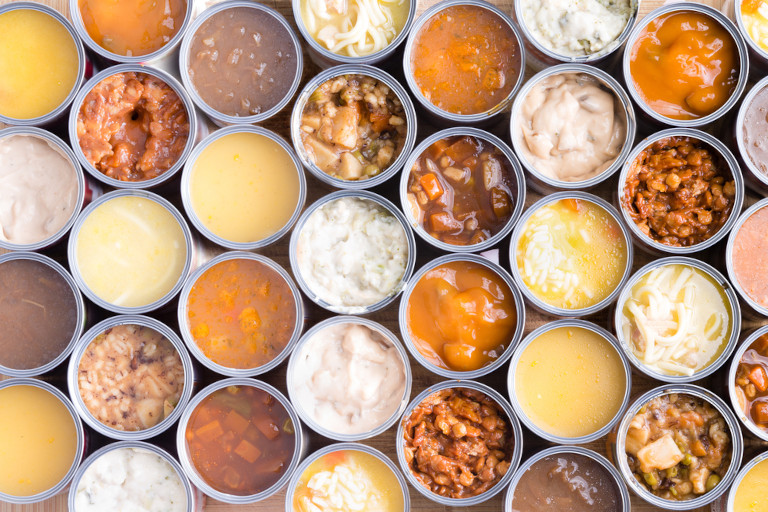
Nutritionist Lu Huiru explains that excessive sodium intake causes the body to retain water in order to maintain balance. This increases the volume of fluid within blood vessels, leading to swelling and elevated blood pressure. Over time, it may contribute to hypertension and accelerate calcium loss, potentially increasing the risk of kidney stones and osteoporosis.
3. Processed meat products
To extend shelf life, processed meats often contain chemical additives such as nitrates and nitrites. These substances may raise blood pressure, damage blood vessels, and have been associated with an increased risk of cancer.
4. High-sugar breakfast cereals
Breakfast cereals are often marketed as healthy options, but varieties high in sugar and calories may undermine metabolic health. Dr. Bhojraj notes that consuming a large sugar load in the morning can cause blood sugar to rise rapidly, increasing long-term strain on insulin regulation and accelerating vascular damage.
5. Flavored coffee creamers
Numerous studies have highlighted potential health benefits of coffee, but flavored coffee drinks are a different matter. Added creamers often contain hydrogenated vegetable oils, artificial flavorings, and corn syrup. Although the amounts may seem small, daily consumption can accumulate and place a significant burden on the body.

6. Sugary drinks and energy drinks
Sugary beverages can quickly elevate blood sugar levels and trigger inflammatory responses, pushing the metabolic system into overdrive. Energy drinks raise additional concerns among medical professionals. Some studies suggest that taurine may promote accelerated cancer cell growth in certain blood cancers, while the caffeine content in energy drinks is often about 1.5 times higher than that of a cup of coffee. Combined with large amounts of sugar, this can place added stress on the heart.
7. Highly processed plant-based meat
Plant-based meat is not necessarily a healthy alternative. The most beneficial dietary choices remain natural, minimally processed foods. Many plant-based meat products are highly processed and contain elevated levels of sodium, vegetable oils, and additives. Dr. Bhojraj cautions that if ingredient lists require a chemistry background to understand, the product has likely strayed far from its original food sources.
8. High-temperature fried foods and fast food
Oils used in high-temperature frying are prone to oxidation, producing compounds that can damage blood vessels. These substances may accumulate along vessel walls, increasing the risk of arteriosclerosis. In addition, cooking foods that contain both protein and carbohydrates at high temperatures can produce acrylamide, a compound shown to be carcinogenic in animal studies.
Translated by Patty Zhang
Follow us on X, Facebook, or Pinterest
