

Middle age is a stage when life has already shown its patterns. One has seen enough of human nature, shifting fortune, and personal limitation to know that many things once pursued so eagerly are less solid than they appeared. What gradually matters more is not ambition, but steadiness — of mind, conduct, and character.
At this point, virtue — expressed through everyday conduct, emotional restraint, and the way one treats others — is no longer an abstract ideal. It shows itself in daily choices, in how one responds to hardship, and in whether the heart remains unsettled or calm when life does not go as planned. External conditions will continue to change, but inner turmoil becomes increasingly costly. Without reflection and restraint, frustration can harden into resentment, and disappointment into blame.
8 practical ways to cultivate virtue and live with greater clarity as life moves forward
1. Cultivate friendships
There is a saying: “When one is poor, no one asks; when one is rich, distant relatives appear.”
Whether relatives or so-called friends, calculating people are never in short supply. True friendship reveals itself not in smooth times, but when life falters. Those who offer warmth and support in moments of difficulty are the ones worth keeping close.
In middle age, friendships are no longer measured by the frequency of contact or the pleasant words exchanged, but by sincerity, loyalty, and care. Treat others with generosity and respect, and the bonds that remain will be few — but lasting.
2. Maintain a calm mind
By this age, immaturity can no longer be indulged. Life should have already led one from “finding everything intolerable” to learning how to live with things as they are. If the heart still bristles at every inconvenience, it has not yet settled.
Blaming fate, heaven, or circumstances only drains energy and adds to one’s burdens. A calm mind does not deny hardship; it simply refuses to turn every difficulty into inner chaos. When the heart is steady, troubles become easier to bear — even when they do not disappear.
3. Sow kindness
Do what you can, within your means, to allow those who suffer more deeply to feel some warmth from the world. Kindness should be practiced regularly and without calculation. Often, it bears fruit quietly and unexpectedly.
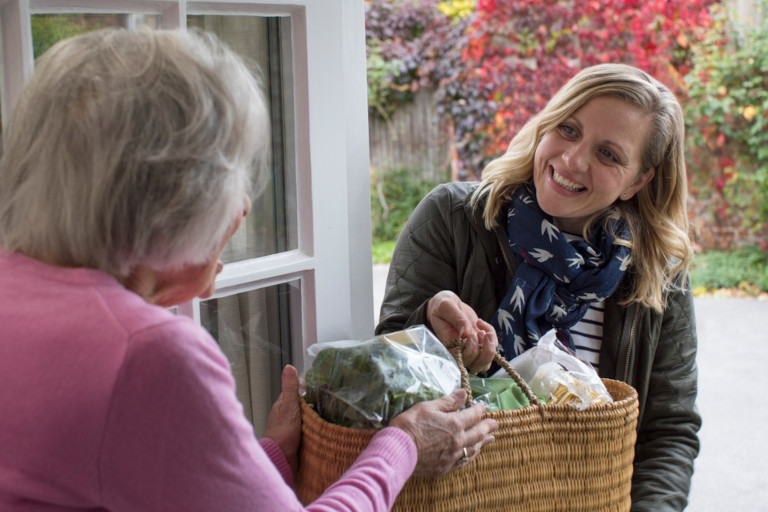
Sowing kindness is not only for others; it is also a way of tending one’s own heart. In extending compassion, one refines character and keeps the mind clear.
4. Cultivate hobbies
Music, chess, calligraphy, painting, gardening, birds, fish — there is always something suited to each person. It is worth cultivating at least one genuine interest.
A hobby washes the body and mind, awakens memory and imagination, and adds quiet pleasure to ordinary days. When one becomes fully absorbed, it brings an unexpected sense of calm and enjoyment. Photography, collecting, and other pursuits serve a similar role — they are small seasonings of life, adding texture and flavor to the passing days.
5. Accept gains and losses with composure
There are two great sources of suffering: not obtaining what one wants, and clinging too tightly to what one has. Even after an effort is made, outcomes should be treated lightly. Success can be accepted calmly; failure, met with ease. If one gains, it is fortune; if one loses, it is fate.
Attachment — to people, possessions, or situations — is the heaviest burden. Even between spouses, this is true: where there is affinity, paths converge; where there is none, they part. By middle age, the years of burning passion have passed, and composure is more attainable. In the end, each person walks their own road.
6. Learn to endure
Some matters must be forgotten quietly. Some pains and frustrations can only be borne alone. Each trial, once endured, adds a measure of understanding; each hardship, once faced, deepens resilience.
Do not expect others to resolve your inner suffering. The knot must be untied by the one who tied it. This is often the most effective remedy for the heart.
7. Keep gratitude close
Experience itself is a form of wealth. After attending a funeral, one reflects on life’s fragility; after recovering from a serious illness, one learns to cherish each day.
Gratitude softens unseen pressures, calms desire, and eases inner conflict. It allows one to value even the smallest things — a grain of sand, a blade of grass — and often brings a quiet sense of happiness that no achievement can replace.

8. Be diligent in reading and learning
Reading and learning are ways of conversing with wisdom. By drawing on the experience of others, one grows one’s own understanding.
Make learning a habit. Many thoughts, judgments, and insights take shape through reading. It sharpens discernment, corrects ignorance, and helps one avoid repeating mistakes. Over time, it keeps the mind clear and character intact.
Conclusion
Middle age is neither a time for regret nor mere reflection. It is a period for steady living — accepting what cannot be changed, tending the heart, and moving forward with composure. What matters most is not outward achievement, but whether one lives these years with clarity, restraint, and quiet strength.
Translated by Joseph Wu
Follow us on X, Facebook, or Pinterest
