
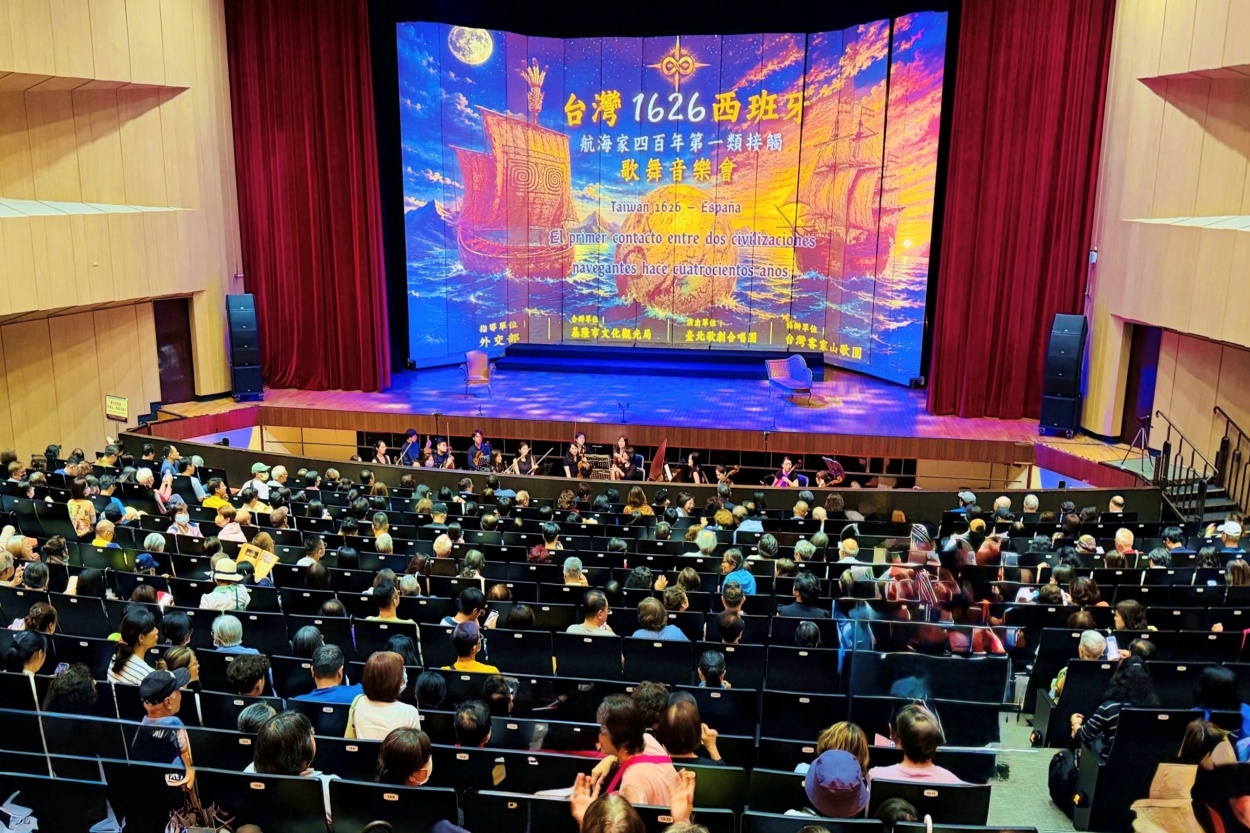
A full-house audience gathered at the Keelung Performing Arts Center on the evening of June 4, 2026, for a grand musical and dance production commemorating the 400th anniversary of the first encounter between Taiwan and Spain in 1626.
Titled “Taiwán 1626: The First Encounter Between Two Maritime Peoples Four Hundred Years Ago,” the event was organized by the Taipei Opera Chorus with the assistance of Taiwan’s Ministry of Foreign Affairs and the Keelung City Government’s Department of Culture and Tourism.
The performance attracted not only local residents from all walks of life but also distinguished guests from South Africa, India, Mexico, and other countries. Their presence reflected the international spirit of the occasion and highlighted the role of cultural diplomacy in fostering mutual understanding among nations.
Revisiting a historic encounter four centuries ago
The concert commemorated an important chapter in Taiwan’s history. In 1626, Spanish explorers arrived in northern Taiwan and established a settlement in present-day Keelung. Although the Spanish presence lasted only sixteen years before being replaced by the Dutch, it marked the first direct encounter between two great maritime civilizations separated by vast oceans.
According to the program notes by renowned opera director Tseng Dau-hsiong, both the Austronesian peoples of Taiwan and the Spanish were accomplished seafarers, and their meeting represented not only political and economic contact but also a profound exchange of cultures, beliefs, and traditions.
Through music, dance, and theatrical storytelling, the production invited the audience to revisit this remarkable historical encounter and reflect on its lasting legacy.
Taiwanese and Spanish music share the spotlight
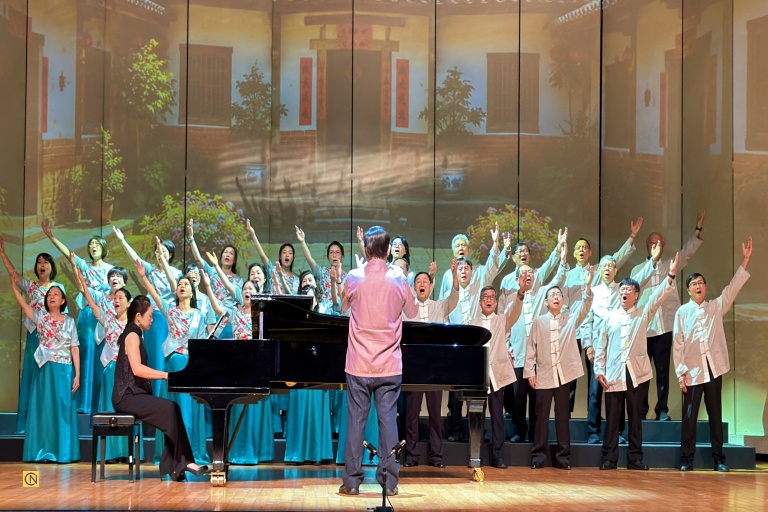
The evening opened with a celebration of Taiwan’s cultural heritage. The Taiwan Hakka Folk Song Chorus performed beloved works, including My Old Home Village, The Silent and Far-Reaching Stream, and Taiwan, My Beautiful Homeland. Their moving melodies expressed love for Taiwan, nostalgia for one’s homeland, and pride in Hakka culture.
The program then shifted to Spain with a performance of Manuel de Falla’s celebrated Seven Spanish Folk Songs, showcasing the richness and diversity of Spanish musical traditions. The audience was also treated to a powerful piano rendition of Falla’s Ritual Fire Dance, which brought passion and dramatic intensity to the stage.
Among the international guests was South African visiting scholar Dr. Reinette Gouws-Meyers, who described the concert as “a magnificent cultural journey.” She praised the production for bringing history to life through a seamless blend of choir, dance, song, and opera, adding that it beautifully connected East and West through the universal language of music.
Dance performances bring history and legend to life
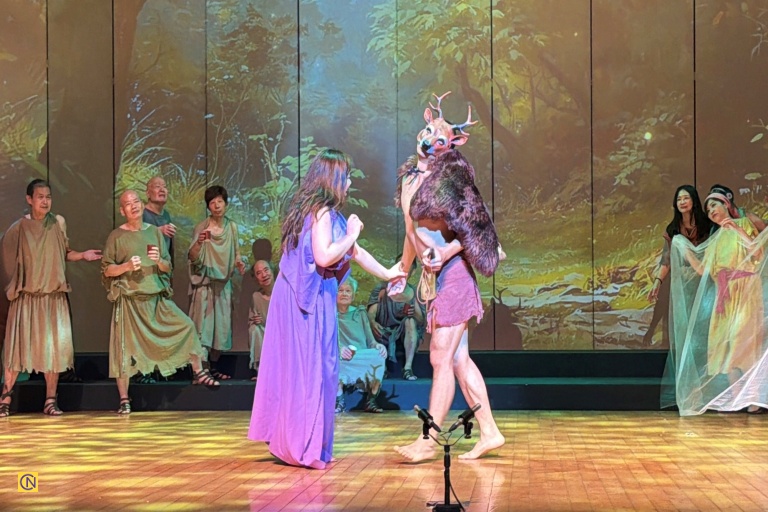
Several dance performances added visual splendor to the evening. One of the most memorable presentations was The Sea God and the Queen’s Head, inspired by the famous Queen’s Head rock formation at Yehliu. Drawing upon Taiwanese folklore, the dance told a tragic tale of love, sacrifice, and longing through expressive choreography and evocative music.
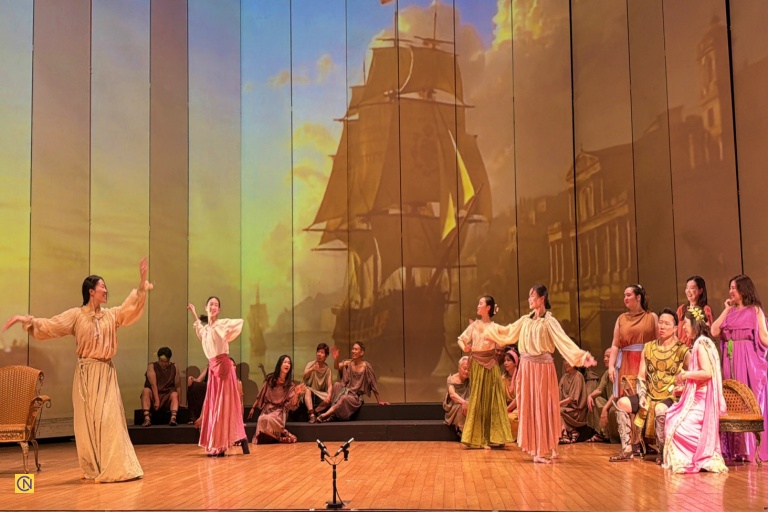
Another highlight was the lively Flamenco performance Alegrías / Sin Fronteras (“Love Without Borders”). Accompanied by energetic rhythms and colorful costumes, the dancers brought the spirit of Andalusia to the Keelung stage.
Indian senior film producer Suvam Pal said he was completely captivated by the performance. He noted that the production combined an extraordinary variety of artistic elements and praised the performers as world-class artists whose talents left the audience spellbound.
Baroque opera and cultural diplomacy conclude the evening
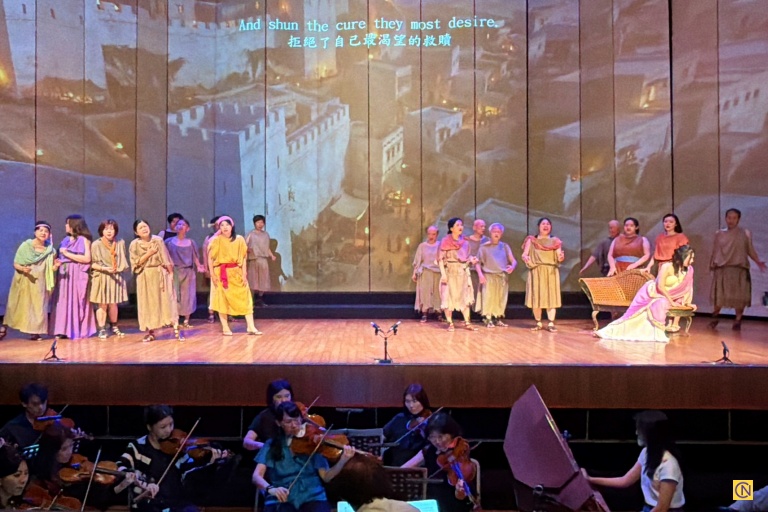
The grand finale featured a complete performance of Henry Purcell’s Baroque masterpiece Dido and Aeneas. The opera recounts the tragic love story of Queen Dido of Carthage and the Trojan prince Aeneas, whose destinies become intertwined before fate ultimately separates them.
Artistic Director Tseng explained that the opera was selected because it mirrors the concert’s central theme—the encounter between two seafaring peoples whose histories become forever connected. Through powerful vocal performances, dramatic staging, and emotional storytelling, the production captivated the audience from beginning to end.
Mexican biotechnologist Dr. Robert Midence, who has lived in Taiwan for a decade, described the concert as a magnificent tapestry woven between Spanish and Taiwanese cultures. He was particularly impressed by the large-scale production of Dido and Aeneas, calling it one of the most breathtaking performances of the opera he had ever seen.
Another Mexican guest, Chiang Osi, owner of two Mexican restaurants in Taiwan, remarked that the evening provided a valuable opportunity to learn more about the historical ties between Taiwan and Spain through a magnificent operatic production.
As the performance concluded, the audience responded with prolonged applause, recognizing both the artistic excellence of the performers and the significance of the historical story being told.
Four hundred years after Spanish ships first reached the shores of northern Taiwan, the sold-out performance in Keelung served as a powerful reminder that meaningful connections forged across oceans and centuries continue to inspire friendship, cultural exchange, and mutual understanding in the modern world.
Follow us on X, Facebook, or Pinterest
