

Step onto Beipu Old Street on a quiet morning, and the first thing you notice is the smell: toasted sesame, roasted peanuts, and green tea, all being ground by hand in a rough clay bowl. A few doors down, an old theater that once flickered with black-and-white films now serves steaming bowls of flat noodles. This is the world of the Hakka villages in Taiwan, where a people once called “guests” have turned centuries of wandering into one of the island’s most quietly beautiful cultures.
The Hakka are Taiwan’s second-largest ethnic group, yet many travelers pass through their towns without ever learning their story. That is a shame, because to walk through a Hakka village is to taste, hear, and feel a living tradition, not a museum display behind glass. In the green hills of Hsinchu County, three villages offer the warmest introduction of all: Neiwan, Beipu, and Ermei.
In this guide, we will meet the guest people, wander their old streets and temples, sit down to their hearty food, and stand beneath the “snow of April” that drifts over their hills each spring. Bring your appetite and your curiosity.
Who are the Hakka? Taiwan’s guest people
The Hakka (客家, Kèjiā) are a Han Chinese subgroup whose name literally means “guest families.” Over many centuries, they migrated south from central China into the provinces of Fujian, Guangdong, and Jiangxi, arriving again and again as newcomers among already-settled communities. In Taiwan, they number around 4.53 million people, roughly 19.3%of the population, making them the island’s second-largest ethnic group.
Why “guests”? The name reflects a long history of movement. According to Taiwan’s Hakka Affairs Council, successive waves of Hakka migration reached the island beginning in the 17th century, drawn from the regions of Chaozhou, Huizhou, and Meizhou in Guangdong. Because they so often arrived late and settled the harder, hillier land, the Hakka developed a character all their own.
That character became a source of pride. The Hakka are widely known as hardworking, thrifty, and tenacious, with a deep Confucian respect for learning. Taiwanese still speak of the Hakka “hard-neck spirit” (硬頸, yìngjǐng), an unbending determination to endure and hold to one’s principles, a trait forged across four centuries of Hakka life on the island. You can feel echoes of that same discipline in the meaning of ritual and cultivation in Chinese tradition, which shaped Hakka family life for generations.
Today, that heritage is being honored rather than forgotten. In 2018, Taiwan’s National Languages Development Act recognized Hakka as one of the country’s official national languages, a milestone in a decades-long movement to keep the culture alive. To explore these villages, then, is to witness a tradition that has survived by refusing to stand still. For more on the broader picture, see our ongoing Chinese culture and traditions coverage.
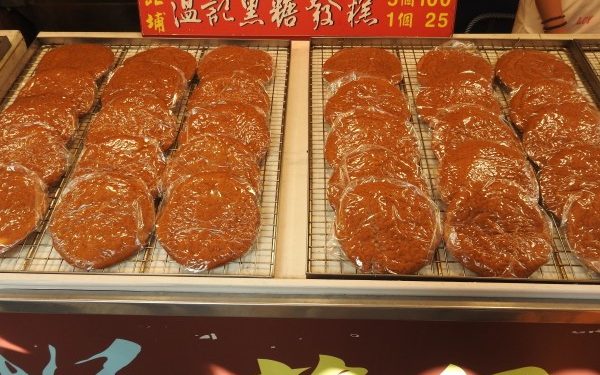
Taiwan’s Hakka heartland: The hills of Hsinchu
If Taiwan has a Hakka heartland, it is Hsinchu County in the island’s northwest. Here, forested hills fold down toward tea terraces and river valleys, and the towns still keep Hakka as an everyday tongue. It is the perfect place to understand why these Hakka villages in Taiwan feel so distinct from the temple districts of a big city.
Half the pleasure is getting there. From Hsinchu City, the scenic Neiwan Branch Line railway winds up into the mountains, a slow and lovely ride that once carried timber and coal and now carries curious visitors. Three villages sit within easy reach of one another: Neiwan, the former logging town; Beipu, the cultural capital; and Ermei, the quiet village of lake and tea.
When should you go? Locals often recommend the cooler months from October through March for comfortable walking, though spring brings the famous tung blossoms. Weekdays are peaceful and unhurried; weekends fill the old streets with vendors, families, and the happy clatter of a market day.
Neiwan (內灣): A mountain town that remembers
A century ago, Neiwan (內灣) hummed with the work of logging and mining. When those industries faded, the town could have faded with them. Instead, it reinvented itself as a living tribute to Hakka mountain life, one of the most charming stops among all the Hakka villages in Taiwan.
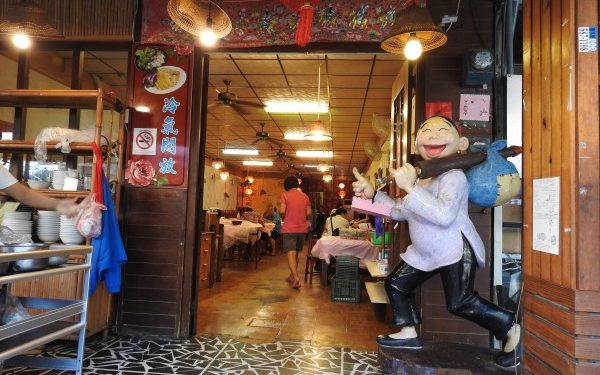
The heart of the village is Neiwan Old Street, a narrow lane of wooden shopfronts nestled between the hills and the Youluo River. Its most beloved landmark is the Neiwan Theater, an old-style cinema that has been reborn as a Hakka restaurant. Diners here eat traditional dishes beneath vintage film posters, sometimes with a classic Taiwanese movie playing, a gentle collision of past and present.
Just beyond the shops, the Neiwan Suspension Bridge sways over the valley, offering wide views of the green slopes and the water below. Cross it, and you will find quiet trails, small shrines, and the unhurried rhythm that defines this place.
Then there is the food. Neiwan is a wonderful place to try wild ginger lily rice dumplings — whose leaves lend a faint floral fragrance — along with Hakka flat noodles, savory radish cakes, and glutinous rice cakes. Sold cheaply from family stalls, these snacks are less a meal than an edible introduction to Hakka hospitality.
Beipu (北埔): The Hakka capital of northern Taiwan
If Neiwan is the mountain town that remembers, Beipu (北埔) is the keeper of the flame. Long known as the “Hakka Capital of Northern Taiwan,” this small township has done more than almost anywhere else to preserve its heritage. It rewards visitors with the region’s richest concentration of Hakka culture.
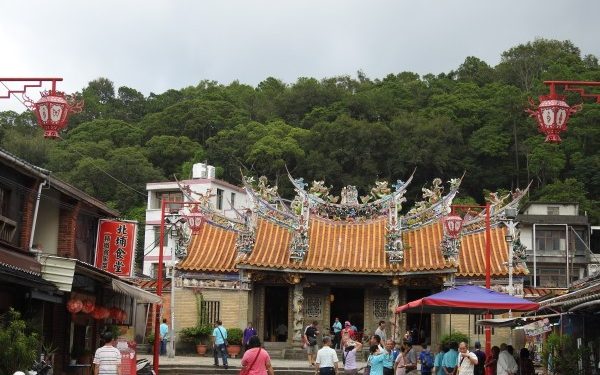
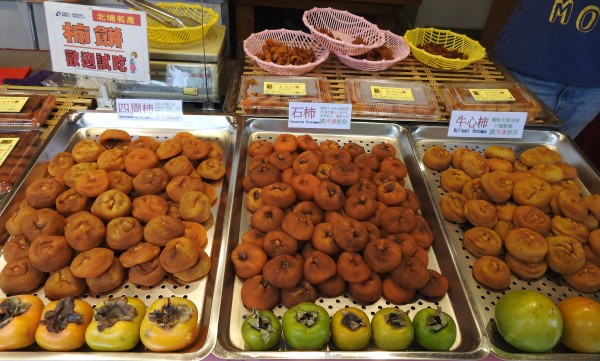
At its center stands Ci-Tian Temple (慈天宮), built in 1846 and still the spiritual anchor of the community. Around it, Beipu Old Street unfolds in a maze of narrow lanes, traditional courtyard homes, and shops selling handmade treats. Locals speak of the “Five Beipu Treasures”: ground tea, stone-dried persimmons, Oriental Beauty tea, Hakka rice dishes, and Hakka pastries.
The most memorable of these is a ritual as much as a drink. Lei cha (擂茶, léichá), or ground tea, is not simply ordered and sipped. You sit at a wooden table, cradle a heavy clay mortar, and grip a guava-wood pestle. Then you grind green tea leaves together with sesame, peanuts, pumpkin seeds, and grains for 10 to 15 minutes, until they form a fragrant green paste. Add hot water, or stir it into puffed rice, and you drink a tradition. That patient grinding once echoed the daily labor of Hakka women. It turns a simple cup of tea into a lesson in appreciation, much like traditional Chinese teas for calm in other parts of Chinese culture.
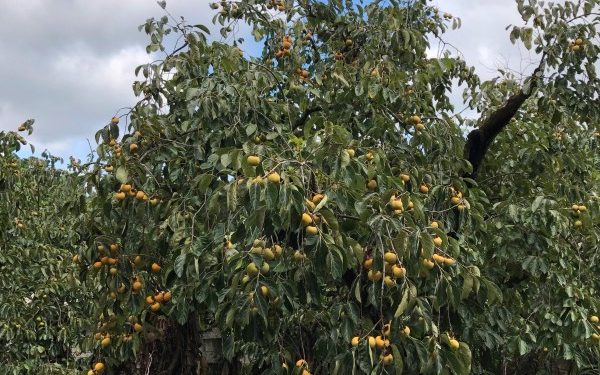
Beipu is also famous for Oriental Beauty tea, a lightly honeyed oolong also called Peng Feng tea, and for sun-dried persimmons. Each autumn, Hsinchu’s dry “September Wind” cures the fruit into soft, amber-colored sweets, a seasonal craft you can watch unfold in orchards near the town.
Ermei (峨眉): Lake, tea, and a Great Buddha
Quieter than its neighbors and often skipped by tour buses, Ermei (峨眉, sometimes written Emei) may be the loveliest surprise among these Hakka villages. Here, the pace slows to the ripple of water and the rustle of tea leaves.
At its center lies Emei Lake, also known as the Tapu Reservoir, its surface stitched with graceful suspension bridges that lead from one green shore to another. The surrounding hills are tea country. Some of the family-run tea factories here have been in operation for more than a hundred years, still making the prized Oriental Beauty tea that gave the region its fame.
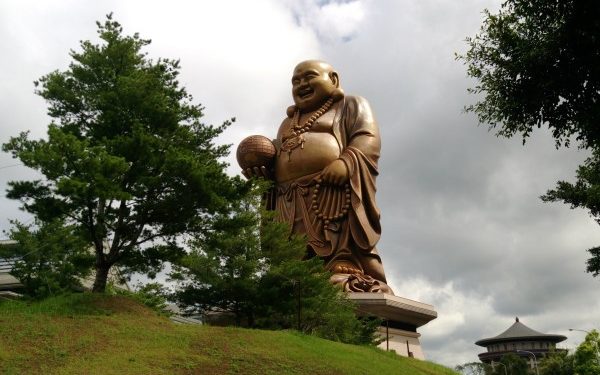
Rising above the water is Ermei’s most striking sight: a towering statue of the Maitreya Buddha, the smiling “Laughing Buddha,” which crowns a modern Buddhist college. The contrast is pure Ermei, ancient serenity and gentle devotion set against a backdrop of lake, forest, and drifting mist. It is a place to breathe, wander, and simply be, a fitting reflection of the calm that runs beneath Hakka village life.

Hakka Food: Heritage you can taste
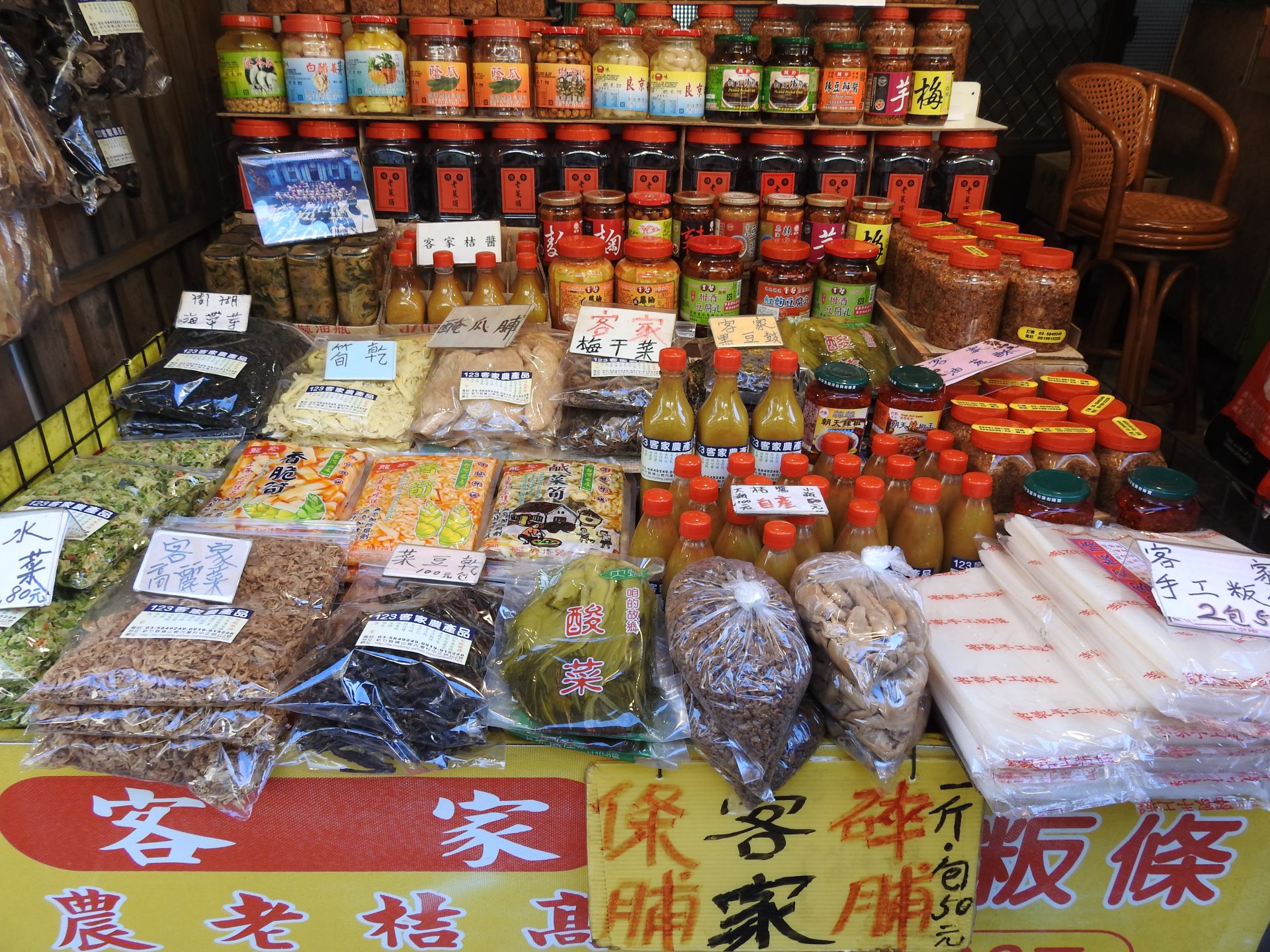
Perhaps no part of the culture speaks more clearly than the table. Hakka cooking was shaped by a frugal, migratory past: dishes are hearty, savory, and often preserved or pickled, designed to nourish people who worked hard in difficult country and wasted nothing. Here are the specialties worth seeking out in any Hakka village:
- Lei cha (擂茶): Hand-ground tea blended with sesame, nuts, seeds, and grains, sipped hot or stirred into puffed rice.
- Bantiao (粄條): Broad, silky Hakka flat rice noodles, served in a rich broth or stir-fried until fragrant.
- Radish cakes and rice cakes: Steamed savory snacks, sometimes studded with sliced radish or herbs.
- Ginger lily dumplings: Glutinous rice parcels wrapped in fragrant wild ginger lily leaves.
- Fresh mochi: Hand-pounded glutinous rice cakes rolled in sweet peanut flake or sesame.
- Dried persimmons (柿餅): Sun-cured fruit, chewy and honey-sweet, a signature of the Hsinchu hills.
- Douhua: Silky tofu pudding, served warm with ginger syrup or cold over shaved ice.
Eaten together, these foods tell the whole Hakka story: resourcefulness turned into flavor, and hospitality offered without pretense.
Keeping the culture alive: Language, song, and the Eight Sounds
Hakka identity has never rested on food and architecture alone. What truly binds the community is something you can hear: a distinct language and a musical tradition carried from the fields into everyday life.
At the center sits the Hakka language itself, known to speakers as Hakka fa. Unlike many groups defined by a shared homeland, the Hakka have long been united by their tongue, a thread of belonging that survived every migration. Its 2018 recognition as one of Taiwan’s national languages was a hard-won victory for a culture that had long fought to keep its own voice.
Music tells the same story of resilience. Out in the tea plantations, workers once sang Hakka mountain songs (山歌, shāngē), improvised verses tossed back and forth between young men and women as they picked leaves, part labor and part courtship. Over time, these playful exchanges grew into Hakka tea-picking opera (採茶戲, cǎicháxì), a beloved folk theater that still draws crowds at village celebrations.
For solemn and festive occasions alike, communities turn to Hakka Bayin, the “Eight Sounds” (八音, bāyīn) ensemble. Its name comes from the eight materials, among them silk, bamboo, wood, and metal, once used to make traditional instruments, a classification drawn from the ancient Rites of Zhou. To hear its reedy melodies at a temple gathering is to hear centuries speaking at once.
Spend an afternoon in these villages during a festival, and the culture stops being a subject to study. It becomes a song you can follow, even without knowing the words.
The snow of April: The Hakka Tung Blossom Festival
There is one more reason the Hakka hills draw visitors from across Taiwan, and it arrives with the spring. From April into May, the tung trees (油桐, yóutóng) that cover these mountainsides burst into clouds of five-petaled white flowers. As the petals fall, they carpet the paths and hillsides in white, a scene the Hakka lovingly call the “snow of April” or “May snow.”
The trees themselves carry history. Tung was planted widely during the era of Japanese rule for its valuable oil. That oil once waterproofed paper, wood, and the beautiful oil-paper umbrellas still crafted in the Hakka town of Meinong. Though the fruit is toxic and inedible, the blossoms became beloved and eventually a symbol of Hakka identity itself. You can read more about how plants carry meaning in Chinese life in our feature on the symbolism of flowers in Chinese culture.
In 2002, that affection grew into the Hakka Tung Blossom Festival. What began as a single-day event has, fittingly, blossomed into a month-long celebration across more than a dozen Hakka regions, drawing millions of visitors each year. According to the Taiwan Tourism Administration, the festival offers Hakka food, folk music, craft workshops, and hillside walks beneath the falling petals. To time your visit with the “snow” is to see these villages at their most magical.
A living window into Taiwan
To travel through the Hakka villages of Taiwan is to trace a single, resilient thread: a people who arrived as guests and stayed to build a home rich in flavor, faith, and quiet beauty. In Neiwan, that story lives in an old theater and a swaying bridge. In Beipu, it waits in a clay bowl of ground tea in a temple from 1846. In Ermei, it rests on a still lake beneath a smiling Buddha. And every spring, it falls softly from the trees as white petals on the wind.
What makes these villages so moving is not that they preserve the past, but that they keep it alive and share it freely. The lei cha is still ground by hand. The persimmons still dry in the autumn wind. The festival still gathers families beneath the blossoms. Culture, here, is something you do, not something you look at.
If you ever find yourself in northern Taiwan, take the slow train into the hills of Hsinchu. Sit down at a Hakka table, let a stranger show you how to grind your tea, and you will understand why the guest people have never really been strangers at all.
For more journeys like this one, explore our Taiwan coverage, and follow Nspirement on Facebook, Pinterest, or X for more stories that nourish the mind and spirit.
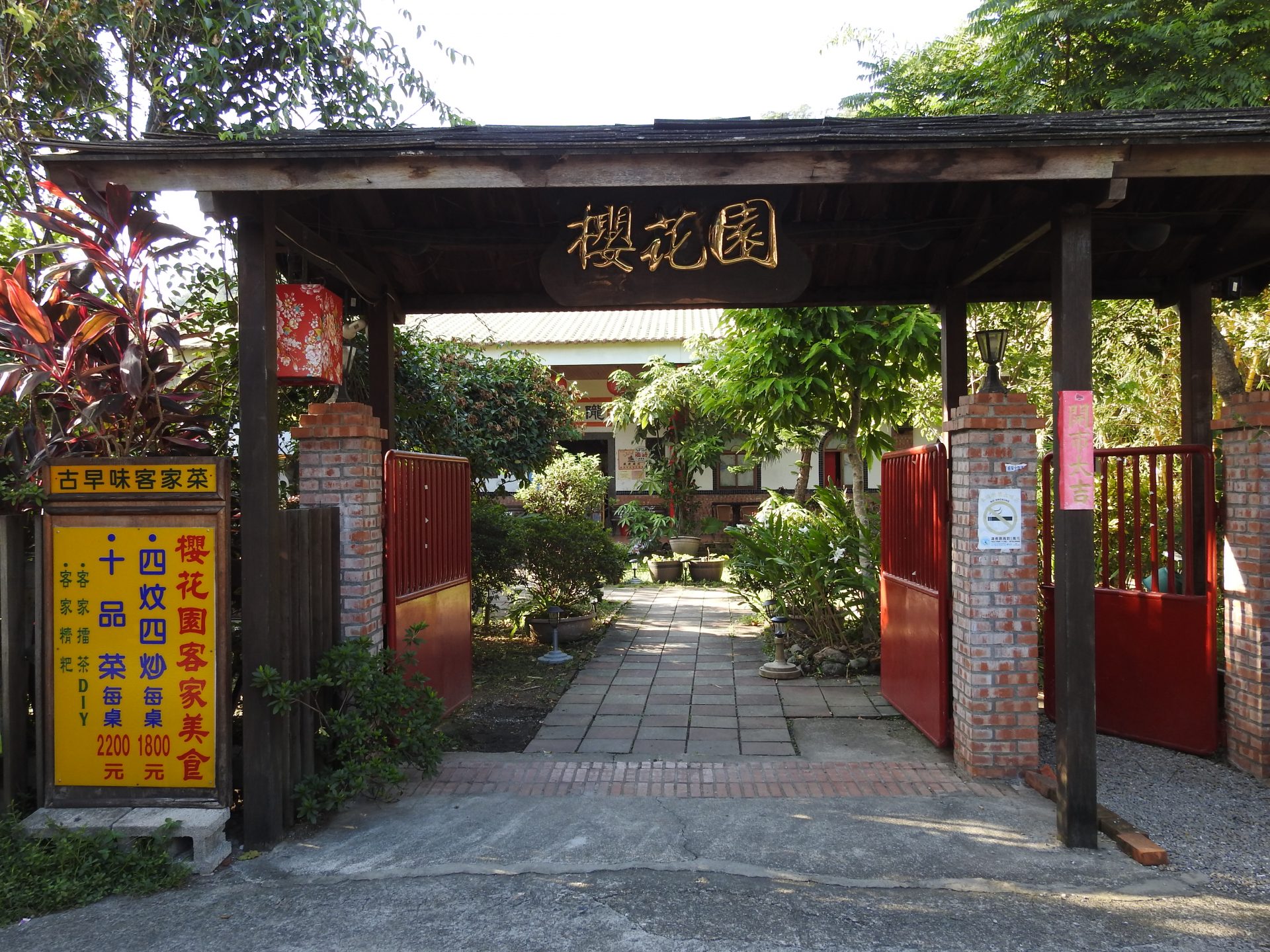



Watch a video about the Hakka Villages:
Follow us on X, Facebook, or Pinterest
