

What is the first liquid you pour into your cup when you wake up in the morning? While health purists might reach for a simple glass of cold water, millions worldwide would unhesitatingly answer, “coffee.” For many, it is an essential ritual — the comforting aroma and rich flavor that signals the start of a brand-new day. Yet, for decades, coffee has carried an undeserved reputation as a guilty pleasure or a nervous-system irritant. Is drinking coffee truly beneficial for your long-term health, or is it merely a daily habit we tolerate for a quick energy boost?
According to health outlets and landmark research published in the Harvard Gazette and by the Harvard T.H. Chan School of Public Health, coffee is far more than a simple pick-me-up. It is a complex bioactive beverage packed with essential nutrients, specialized polyphenols, and potent antioxidants. Beyond boosting wakefulness, moderate, regular coffee consumption has been linked to a reduced risk of cardiovascular disease, lower rates of cognitive decline, improved liver function, and enhanced metabolic stability.
Boosting metabolism and supporting weight management
One of coffee’s most celebrated benefits is its ability to support body composition and metabolic health. It aids in the oxidation of free fatty acids, effectively stimulating metabolism and encouraging the body to burn fat more efficiently.
Reports suggest coffee offers a distinct advantage for healthy weight management: a single cup can raise your basal metabolic rate by 3% to 11%. More remarkably, caffeine stimulates the nervous system to send direct signals to fat cells, prompting them to break down body fat and release free fatty acids into the bloodstream — increasing free fatty acid oxidation efficiency by up to 44%. When paired with a balanced diet and regular physical activity, coffee acts as a natural metabolic spark plug.
Shielding the brain: Cutting dementia and Alzheimer’s risk by 65%
Cognitive decline and neurodegenerative diseases are among the greatest health concerns of aging populations. Fortunately, daily coffee consumption appears to protect the central nervous system.
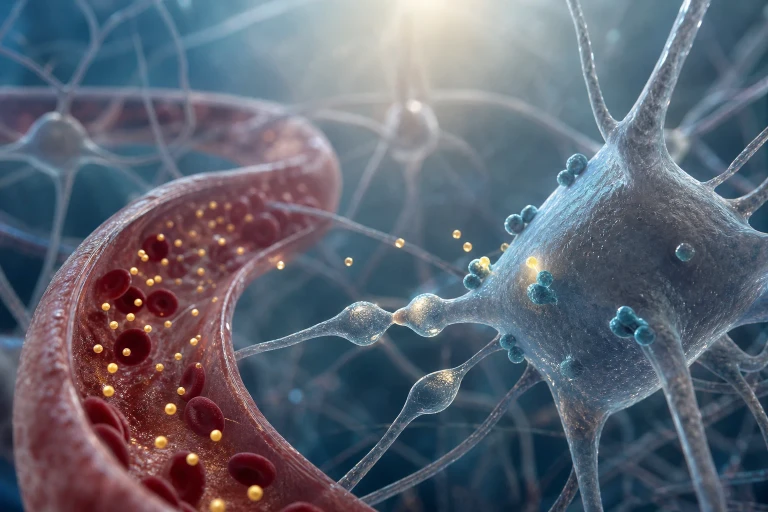
Long-term studies reveal that middle-aged adults who consume between 3 and 5 cups of coffee daily experience up to a 65% reduction in their risk of developing Alzheimer’s disease and vascular dementia later in life. What accounts for this neuroprotective power? Researchers suggest that caffeine and bioactive coffee compounds raise blood levels of granulocyte-colony stimulating factor (G-CSF) — a crucial signaling protein typically found at depleted levels in Alzheimer’s patients. By raising G-CSF levels and protecting vulnerable protein receptors on brain cells, coffee helps preserve synaptic integrity and long-term memory.
3. A guardian for the liver: Reducing cirrhosis risk by 55%
The liver is one of the body’s hardest-working organs, filtering toxins, metabolizing drugs, and processing nutrients. Coffee offers unique, highly potent hepatoprotective benefits that set it apart from almost every other hot beverage.
Regular coffee consumption actively shields liver tissue, significantly reducing the likelihood of developing alcoholic and non-alcoholic cirrhosis by as much as 55%. Interestingly, while consumers often assume that tea — which also contains caffeine — offers equivalent liver protection, clinical research indicates that coffee has a unique combination of diterpenes (such as cafestol and kahweol) and chlorogenic acids that specifically protect liver cells against inflammation, fibrosis, and chronic damage.
4. Lowering cancer risks and promoting cellular protection
Cancer prevention relies on minimizing systemic cellular damage, and coffee is a strong source of dietary antioxidants. Research indicates that routine intake is inversely associated with the development of various malignancies, including breast cancer, colorectal cancer, and gliomas (brain tumors).
Population reports show that drinking 1 to 4 cups of coffee per day can reduce colorectal cancer risk by up to 15%. Drinking just two cups daily is associated with a 43% reduction in liver cancer risk and a 20% lower risk of endometrial cancer. Coffee’s wide range of phenolic compounds helps neutralize free radicals, suppress chronic cellular inflammation, and regulate cell repair mechanisms throughout the body.
5. Cardiovascular support, diabetes defense, and overall longevity
Can your daily brew actually help you live a longer, healthier life? Science increasingly points to yes. Large-scale demographic studies conducted by the Harvard T.H. Chan School of Public Health confirm a strong statistical correlation between daily coffee intake and lower overall mortality rates.
- Mortality reduction: One cup of coffee per day correlates with a 6% reduction in all-cause mortality risk. That benefit rises to an 8% risk reduction with three cups and reaches up to 15% with five cups per day.
- Blood sugar regulation: Harvard research indicates that regular coffee drinkers have better insulin sensitivity. Drinking up to six cups daily can lower the overall risk of developing type 2 diabetes by up to 22%.
- Heart and joint health: The high antioxidant content protects blood vessel walls, reduces systemic inflammation, supports healthy arterial blood flow, and lowers stroke risk. Coffee also helps regulate uric acid levels, reducing the risk of developing painful gout by up to 40%.

Debunking the myths: Is coffee unhealthy?
Despite decades of peer-reviewed clinical research praising its benefits, persistent myths continue to classify coffee as an unhealthy habit. Skeptics frequently claim that it overstimulates the nervous system, provokes heart palpitations, triggers insomnia, leads to chronic acid reflux, or creates severe caffeine dependency.
While excessive caffeine intake can cause jitteriness or sleep disruption, these negative side effects usually result from overconsumption, poor timing, or individual sensitivity — not an inherent fault of the coffee bean itself. For most healthy adults, coffee is an exceptionally safe, restorative, and highly beneficial addition to daily life.
Four essential rules for healthy coffee consumption
To enjoy the full spectrum of coffee’s health benefits without experiencing unwanted side effects, it helps to follow four fundamental guidelines:
- Choose high-quality beans: Opt for organic, high-altitude coffee beans that are properly harvested and stored. High-quality beans minimize exposure to mycotoxins, pesticides, and mold spores while preserving maximum antioxidant density.
- Minimize added sugars and flavored syrups: A cup of pure coffee is virtually calorie-free and nutrient-dense. However, overloading your cup with refined sugars, artificial sweeteners, heavy creams, and sweet syrups turns a therapeutic beverage into a high-calorie dessert that spikes insulin.
- Cut off caffeine early: Protect your circadian rhythm and deep sleep cycles by avoiding caffeine at least six to eight hours before bedtime. Restful, restorative sleep is vital for overall health and should never be compromised for an evening caffeine kick.
- Know your personal caffeine tolerance: Caffeine metabolism varies greatly from person to person based on genetic factors like the CYP1A2 gene. Pay close attention to how your body responds; if you experience anxiety, racing thoughts, or gastrointestinal discomfort, adjust your intake or dial back your daily cup count accordingly.
Translated by Patty Zhang and reviewed by Amanda
Follow us on X, Facebook, or Pinterest
