

Look at your phone screen. That familiar blue light, the smooth animations, the rhythmic pulsing of notifications — comforting, right? Now ask yourself: What if it’s more than just design? What if the very light from your screen is part of something more profound, more deliberate — something that reaches past your conscious mind and begins to reprogram you? This isn’t science fiction. It’s called optogenetics and smartphone behavior manipulation. And if you’re reading this, it’s already happening.
Understanding the science: What is optogenetics?
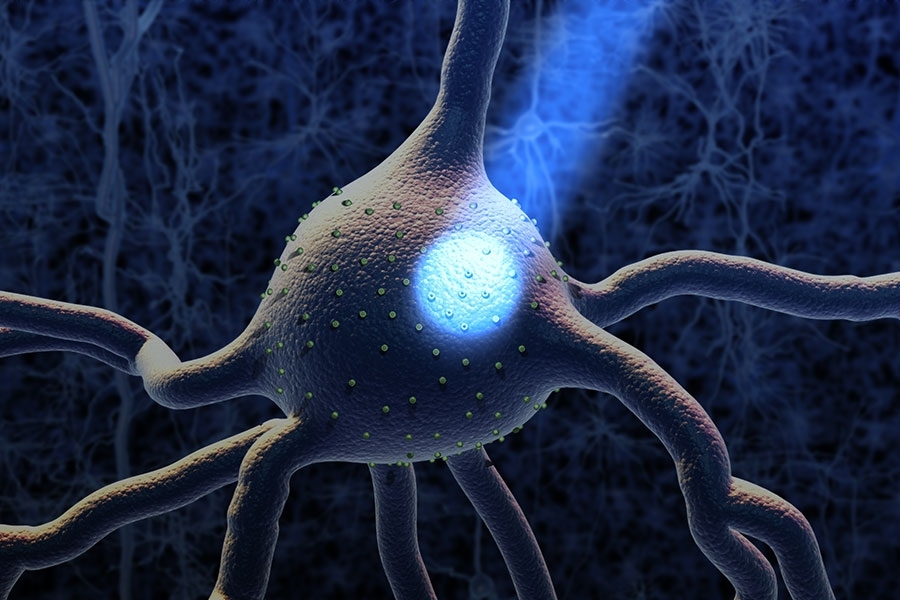
Optogenetics is a cutting-edge field of neuroscience that uses light to control cells within living tissue — particularly neurons — with remarkable precision. Scientists introduce light-sensitive proteins, often through genetic engineering, to “turn on” or “turn off” specific brain cells. This allows researchers to control behavior, mood, motor responses, and even memory.
Originally, optogenetics was developed to help scientists understand brain function and has led to breakthroughs in treating conditions like Parkinson’s disease, depression, anxiety, and even memory manipulation in animal studies. The implications are profound: by harnessing light, researchers can directly influence the brain’s wiring and chemistry.
But what does this have to do with your phone? The connection between optogenetics and smartphone behavior manipulation becomes clearer when we consider how our brains naturally respond to light, and how technology is designed to exploit this sensitivity.
From lab to living room: How phones act as optogenetic tools
No, your smartphone hasn’t injected you with light-sensitive proteins — but here’s where things get uncomfortable. Your brain is already highly responsive to light. Circadian rhythms, attention systems, and even dopamine release are all influenced by light exposure, especially blue light. Blue light stimulates alertness and suppresses the hormone melatonin, which helps regulate sleep.
Now, combine this with the hyper-personalized, algorithmically curated, visually optimized content you consume through your screen. The flickering patterns of light, micro-animations, endless scrolls, and timed dopamine hits through notifications are not accidents — they are engineered triggers. In essence, optogenetics and smartphone behavior manipulation no longer require invasive procedures. Our devices act as external optogenetic systems, subtly manipulating behavior through the brain’s natural photosensitivity.
For example, apps like TikTok and Instagram use high-frequency visual stimuli and variable reward systems — explicitly designed to keep you hooked via subconscious neurological feedback loops. This is not just about engagement; it’s about shaping your habits and responses at a fundamental level.
The motivation behind optogenetics and smartphone behavior manipulation
On the surface, the use of optogenetic principles in consumer technology is about engagement. Tech companies want your time, your clicks, and your data. Every second you’re glued to your screen, they profit. But dig deeper, and the question becomes more disturbing: If technology can stimulate neural circuits using light, what else can it do?
Some researchers believe that optogenetic principles are being co-opted to:
- Increase screen time through dopamine-driven habit loops
- Influence mood and mental states via color gradients and contrast patterns
- Shape opinion and decision-making through timed exposure and emotional triggers
- Reinforce digital dependency
This is behavioral design on steroids — informed by neuroscience, powered by optics, and executed through everyday technology. Former Google design ethicist Tristan Harris has spoken out about “brain hacking” techniques used in consumer interfaces. Light, rhythm, and reward timing are core tools of that manipulation.
Let’s explore these optogenetic principles in a possible real-world context.
Dopamine hits
Imagine Sarah, a teenager, scrolling through her favorite social media app late at night. The app’s designers have cleverly used color gradients and shifting light patterns that subtly influence her mood. The warm, glowing hues make her feel cozy and happy, encouraging her to stay online longer. Each time she likes a post, her brain releases dopamine — a feel-good chemical tied to rewards — creating a habit loop. This makes Sarah keep coming back for more, often losing track of time.
Mood and mental state kicks
In another scenario, imagine James, who uses a streaming service that adjusts the brightness and contrast of the videos to align with his emotional responses. When a suspenseful scene appears, the screen subtly shifts colors to increase tension and excitement. This heightened emotional state makes James more engaged and less likely to pause or close the app, reinforcing his dependency on the platform for entertainment.
Opinion nudges
Meanwhile, Mia scrolls through news articles on her tablet. The platform uses carefully timed exposure to emotionally charged images and color patterns that prime her brain to adopt specific opinions. Over time, without realizing it, Mia’s decisions begin to align with the viewpoints favored by the content creators, subtly shaping her beliefs and choices.
These examples demonstrate how the combination of light-based neural stimulation and smart technology can extend beyond simple engagement. They might quietly manipulate how people feel, think, and behave — raising important questions about digital influence and personal autonomy.
The deeper purpose: Psychological control at scale
Let’s call it what it is: psychological control at scale. While the commercial motive (ad revenue, data farming) is obvious, the long game may be mass behavioral engineering. If you can shape attention, you can shape belief. If you control belief, you control society.
Whether for profit, politics, or population management, the use of light-based stimuli in mobile tech is a form of modern optogenetic influence. It’s non-invasive, deniable, and highly effective. Optogenetic influence doesn’t mean mind control in the science fiction sense. It means subtle, persistent shaping of behavior through mechanisms your brain doesn’t even realize are being triggered.
This transition from individual manipulation to societal influence is where the true power — and danger — of optogenetics and smartphone behavior manipulation lies.

The psychological and neurological impact of optogenetic-like smartphone stimuli
Chronic exposure to optogenetic-like smartphone stimuli can have profound effects on your mind and body:
- Disrupting sleep by altering melatonin cycles (blue light)
- Hijacking attention by stimulating dopamine spikes
- Inducing anxiety through overexposure to rapid visual stimuli
- Weakening memory via constant interruption and novelty seeking
- Reducing impulse control through variable rewards (like slot machines)
This is no longer just “screen addiction.” It’s a neurological reshaping — a reprogramming of how your brain responds to the world. The longer you stay immersed, the more your baseline behavior shifts. A 2021 Stanford study found that students exposed to algorithm-driven visual media exhibited measurable changes in prefrontal cortex activity, specifically in impulse control and sustained focus. As our brains adapt to this new environment, our ability to focus, remember, and regulate emotions is fundamentally altered. This sets the stage for even deeper forms of subconscious control. Let’s explore each of these effects in more detail:
Disrupting sleep by altering melatonin cycles (blue light)
Smartphones emit a type of blue light that tricks your brain into thinking it’s still daytime. Usually, your brain releases melatonin, a hormone that helps you feel sleepy, as it gets dark outside. When you stare at your phone before bed, the blue light suppresses melatonin production. This makes it harder to fall asleep, reduces the quality of your rest, and can leave you feeling tired the next day. For example, someone who scrolls through social media in bed every night might find themselves tossing and turning instead of drifting off easily.
Hijacking attention by stimulating dopamine spikes
Using your smartphone can trigger the release of dopamine, a neurotransmitter associated with pleasure and reward. Every time you get a new notification or like on a post, your brain gets a little “reward,” encouraging you to keep checking your device. This creates a cycle where your attention is constantly pulled back to your phone, even when you want to focus on something else. Imagine trying to study for an exam but every few minutes getting distracted by the buzz of a new message – that dopamine hit makes it challenging to concentrate!
Inducing anxiety through overexposure to rapid visual stimuli
Smartphone content often changes quickly — think about fast-moving videos, flashing ads, or rapid-fire notifications. This constant rush of information can overload your brain, making it harder to relax. Over time, this sensory overload can increase feelings of anxiety and stress. For instance, someone scrolling endlessly through newsfeeds filled with alarming headlines and fast-paced videos may start feeling overwhelmed or anxious, even without realizing why.
Weakening memory via constant interruption and novelty seeking
When your phone constantly interrupts you with alerts, it breaks your focus, making it harder to commit new information to memory. Additionally, the desire to seek out new and exciting content — such as fresh memes or videos — means your brain gets less practice in deep, sustained thinking. For example, if you’re trying to learn a new skill but keep checking your phone every few minutes, you’re less likely to remember what you’ve studied because your mind is never entirely focused.
Reducing impulse control through variable rewards (like slot machines)
Apps and social media often use unpredictable rewards — sometimes you get likes, messages, or interesting posts, but sometimes you don’t. This “variable reward” system is similar to how slot machines work, encouraging addictive behavior because your brain craves the next hit of excitement. This makes it harder to stop scrolling or to resist checking your phone even when you know you should. For example, you might intend to spend just five minutes on Instagram but end up losing half an hour as you chase after the next like or comment.
Subconscious control: How behavior is shaped without your awareness
You don’t notice it. That’s the point. Optogenetics works because it bypasses the logical mind. Smartphones do the same by targeting the limbic brain — the seat of emotion, memory, and instinct. Through light-based cues, sensory triggers, and social pressure algorithms, you are trained, slowly, over time.
You start checking your phone for no reason. You crave the light, the movement, the glow. You avoid discomfort by reaching for a device. You make choices based not on thought, but habit. This is behavioral conditioning through light — a straightforward concept.
The infinite scroll mechanic, for example, mimics operant conditioning — a core principle in training lab animals. The variable reward system (likes, comments, dopamine hits) mirrors techniques used in brain behavior studies. Over time, your responses become automatic, driven by subconscious cues rather than conscious decisions.

Conclusion: Wake up — or stay programmed
Optogenetics and smartphone behavior manipulation are no longer just for scientists. It’s moved from the lab into your hand — stealthily, invisibly, and powerfully. While your phone may not implant proteins in your neurons, it doesn’t need to. Your brain is already light-reactive. Modern apps are designed to take advantage of this.
If you’re reading this, it means you’re one of the few asking why. Most don’t. So here’s your choice: Keep scrolling, keep responding, keep submitting to the rhythm of light. Or start asking hard questions. Control your exposure. Reclaim your awareness. Because this is no longer about addiction, this is about optical behavioral manipulation at a societal scale.
Final takeaways: What you need to remember
- Optogenetics is the use of light to control brain cells — a real and powerful neuroscience tool.
- Smartphone technology mimics optogenetic mechanisms by utilizing light, rhythm, and feedback loops.
- The outcome? Subconscious behavioral control disguised as “engaging design.”
Who should care about optogenetics and smartphone behavior manipulation?
Parents monitoring screen time for children
Parents today are more aware than ever of the impact screens can have on their kids’ development and well-being. With the emergence of optogenetics and sophisticated smartphone behavior manipulation techniques, it is crucial to understand how these technologies may impact attention spans, sleep patterns, and emotional responses in children. Being informed helps parents set healthier boundaries and advocate for safer tech use.
Tech ethicists investigating behavioral design
Tech ethicists play a crucial role in examining how companies use advanced tools to shape user habits, sometimes in ways that prioritize profit over well-being. The integration of optogenetics-inspired methods in smartphones could represent a new frontier of behavioral influence. These experts help guide discussions on transparency, consent, and the ethical limits of digital manipulation.
Everyday users who feel trapped by their phones but don’t know why
Many people find themselves compulsively checking their phones without fully understanding why they do so. The subtle, sometimes subconscious ways smartphones can influence behavior — potentially through techniques akin to optogenetics — mean users might feel powerless against their own devices. Understanding these influences can empower users to take control and make informed, intentional choices about their phone usage.
The light is everywhere now. The only question is: Do you see it for what it is?
Follow us on X, Facebook, or Pinterest
