
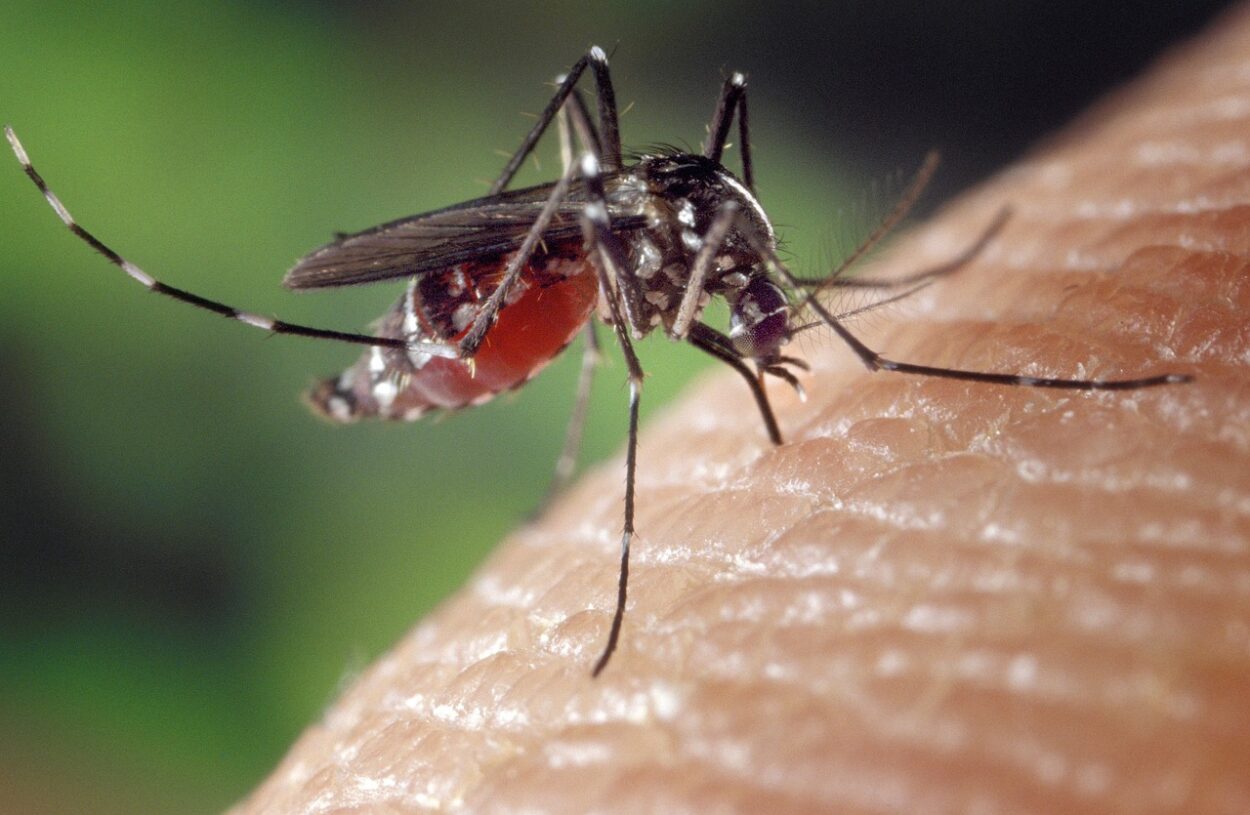
Some people are often “favored” by mosquitoes in the summer, returning home covered in bites, while others remain unscathed. Many people believe this is related to blood type, but science has long disproven that blood type has any influence on mosquito attraction. The real reasons are mainly as follows:
High body temperature and sweating
Mosquitoes are susceptible to temperature and chemicals in sweat, such as lactic acid and uric acid. Individuals with well-developed sweat glands and profuse sweating tend to have higher skin lactate levels, which makes them more attractive to mosquitoes. Children and pregnant women, with their fast metabolisms and high body temperatures, are more susceptible. Mosquitoes’ infrared receptors detect body temperature and locate prey by scent; female mosquitoes can even pinpoint their location from 50 meters away.

Exhaled carbon dioxide
Mosquitoes are susceptible to carbon dioxide and follow the scent of their prey. People with rapid breathing, such as pregnant women, children, those who are intoxicated, or those who have just exercised, exhale high amounts of carbon dioxide, making them more attractive to mosquitoes. Even when wearing long sleeves and long pants, you can still be bitten.
Scented cosmetics attract mosquitoes
Mosquitoes are sensitive to scents like florals, stearic acid, and lactic acid. Cosmetics, perfumes, soaps, and skincare products containing lauric acid can all be favorites among mosquitoes. Even without makeup, the fragrance of everyday shower gels, shampoos, and other personal care products can have a similar effect.
Mosquito bites can cause serious illnesses. A fishing enthusiast scratched a wound after being bitten and eventually contracted sepsis and was admitted to the ICU. A five-year-old boy was bitten and developed severe swelling and a high fever, leading to a diagnosis of sepsis.
Mosquito bites can have serious consequences if not treated properly. Three tips to prevent mosquitoes and keep them away:
- Avoid scented products: In addition to maintaining good personal hygiene, it is essential to avoid using strongly scented cosmetics, perfumes, and toiletries.
- Wear light-colored clothing: Light-colored clothing absorbs heat less and is less attractive to mosquitoes.
- Homemade mosquito repellent: You can also try making your own homemade mosquito repellent using the following methods, which many netizens have reported.
These tips have been used for years and are effective, economical, and harmless.
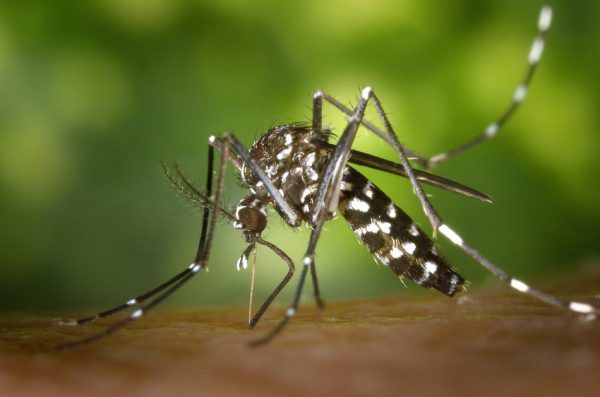
How to make homemade mosquito repellent
Dissolve one vitamin B6 tablet in 10ml of water. Shake well to dissolve the vitamin completely, then spray it directly onto your clothing or skin. Mosquitoes will stop biting you after spraying. One bottle lasts for one to two years.
Spraying a little Florida water on your body when you go out can also repel mosquitoes. Florida water is a summertime skincare product containing menthol (or borneol) and traditional Chinese medicinal herbs. But the scent will gradually dissipate over time. You can make a mosquito repellent bag. Carry it with you when you go out, and these pests will basically stop biting you within a one-meter radius.
Add drops of Fengyoujing (Chinese medicinal herb oil) to a peeled garlic clove, wrap it in a mask, and carry it with you. It’s suitable for both adults and children.
Conclusion
Mosquitoes’ “preference” has nothing to do with blood type, but instead has more to do with body temperature, sweat, breath, and odor. Maintaining cleanliness, reducing the use of scented products, wearing light-colored clothing, and practicing simple mosquito repellent techniques can effectively reduce the chance of being bitten.
Translated by Patty Zhang and edited by Amanda
Follow us on X, Facebook, or Pinterest
