
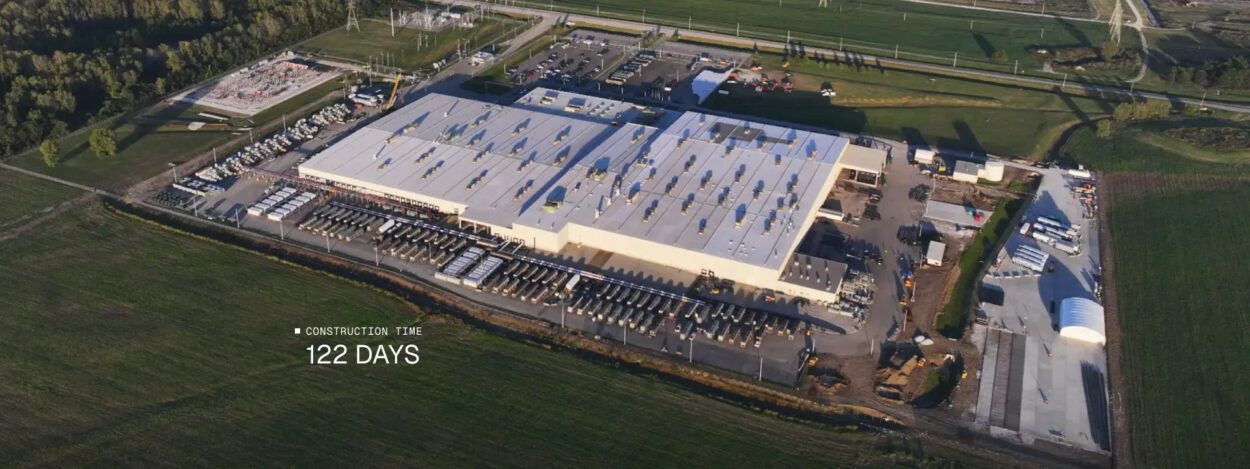
In the shadows of America’s industrial past, Memphis has always been a city at a crossroads — cotton and river trade, blues and barbecue, railways and redlines. Now, another chapter unfolds in the city’s uneasy relationship with progress: Elon Musk’s xAI data center, a shimmering monument to artificial intelligence that, locals allege, is poisoning the very air they breathe.
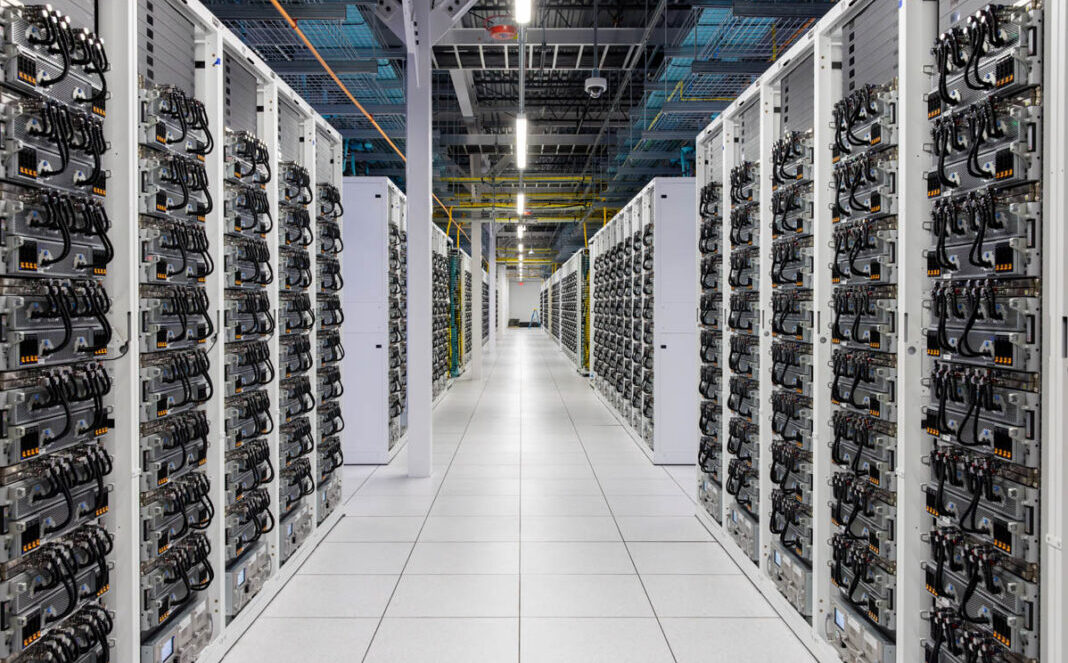
The promise of AI often comes packaged in glossy metaphors: the “cloud,” the “brain of the future,” the “electric frontier.” But behind the slogans are servers — rows upon rows of them, burning through electricity with a voracious appetite that rivals a small nation’s. In Memphis, that appetite has taken on a darker metaphor: one of sacrifice zones and invisible smog.
A city that ‘doesn’t count’
According to residents and environmental advocates, the xAI data center is not simply another building on the edge of town — it is a machine that burns immense volumes of gas without the proper permits, sending unseen plumes of chemicals into the very air people breathe. The irony is cruel: The future of artificial intelligence, marketed as weightless and clean, comes tethered to the same dirty infrastructure that has long stalked working-class Black neighborhoods.
“It’s like they think Memphis doesn’t count,” one activist said, standing outside a church basement where locals had gathered to compare notes on air monitors and medical bills. The words landed with a resigned force, the kind that comes less from outrage than from recognition.
The accusation is not new here. For decades, Memphis has been placed on the frontlines of America’s industrial experiments. Oil pipelines, chemical plants, refineries — the city has been asked again and again to play host to someone else’s gamble. Each project arrived with a familiar sales pitch: jobs, investment, modernization. Mayors spoke of growth. Executives spoke of partnership. The ribbon-cuttings were covered in the papers.
And yet, each time, the costs accumulated elsewhere — measured not in profit margins but in asthma inhalers, cancer diagnoses, and stretches of land rendered unlivable. Memphis has long been promised prosperity; what it has received instead are the long-term debts of extraction, paid in lungs, lives, and landscapes.
The AI gold rush and its hidden costs
The story of Memphis is not just about one city — it is about the hidden environmental toll of artificial intelligence. Training advanced AI models requires vast computational power, which in turn demands significant amounts of electricity.
- Power use: A single large-scale AI model consumes as much electricity as 100 American homes in a year. Multiply that by thousands of experiments, and you begin to understand the magnitude.
- Water use: Data centers also gulp down millions of gallons of water to cool their servers, straining local water supplies already stressed by climate change.
- Carbon emissions: Burning natural gas to feed these centers locks us deeper into fossil-fuel dependency, even as the rhetoric of Silicon Valley insists on a “green transition.”
In Memphis, the contradiction is especially bitter. The same city that birthed Martin Luther King Jr.’s final crusade for economic justice now finds itself at the mercy of a technological empire that equates community sacrifice with innovation.
The myth of clean tech
Musk, a man who has built his brand on saving the planet, insists his ventures — from Tesla’s electric cars to SpaceX’s reusable rockets — are aimed at the future of humanity. Yet critics argue that xAI’s Memphis project is a stark betrayal of that narrative. How do you reconcile the rhetoric of sustainability with an operation that burns more gas than a mid-sized power plant? How does one square the utopian promises of AI with the dystopian reality of children coughing near smokestacks? The answer may lie in America’s long-standing willingness to create “sacrifice zones” — communities where pollution is tolerated because the people there are deemed expendable.
Voices from the ground
For the families who live in the shadow of the proposed xAI facility, the debate doesn’t play out in the language of policy white papers or tech conference panels. It plays out in the body — in the wheeze of a child with asthma, in the worry etched into a mother’s face as she calculates the cost of another inhaler, in the dread that history may be repeating itself yet again.
To them, the ethical questions are not abstract. They are as concrete as the smokestacks that once lined the Mississippi and as intimate as the doctor’s waiting room. Parents talk about the spikes in asthma rates as if they were neighborhood weather reports — predictable, seasonal, unremarkable except for the lives they disrupt. Local activists warn about cancer clusters, a phrase that sounds clinical until you realize it means funerals held too often, too close together.
The neighbors have seen this pattern before. A company arrives with promises of jobs and progress, and the city, hungry for investment, nods along. Then the pollution creeps in, slowly at first, imperceptible in the day-to-day rhythm of life. And when the balance sheet tips — when the profits are banked and the costs are too high — the corporation leaves. What remains is not the prosperity they were promised, but the burial plots they were forced to dig.
One Memphis resident put the matter with a bluntness that years of injustice can hone: “We’ve been told our whole lives that our health is worth less than someone else’s profit. Now they’re telling us it’s worth less than a robot’s brain.”

The future at stake
The Memphis controversy underscores a pivotal question for our time: what kind of world are we building with AI? The uproar in Memphis is not just about zoning laws or the siting of a new data center. It’s about something far larger — a test case for the century. What, exactly, are we building with artificial intelligence? A gleaming new infrastructure of possibility, or the same old industrial machine dressed up in futuristic branding?
It’s tempting to imagine AI as the portal to a cleaner, smarter, more just future. Politicians talk about it as if it were a public utility — something that will light our homes, organize our traffic, and diagnose our illnesses. In the press releases, the servers are nearly invisible, floating in the cloud like benevolent ghosts.
But there’s another way to see it, and Memphis makes that view unavoidable. The cloud is not weightless; it squats on vast tracts of land, drinks whole rivers of water, and devours electricity at scales that rival factories. If AI’s future is built on the same extractive logics that once powered coal mines, oil rigs, and chemical plants, then the term “intelligence” may be little more than marketing.
In that case, the intelligence is not in the algorithms themselves — elegant though they may be — but in the cunning of a system that finds new ways to disguise exploitation as progress. The sleek user interface, the upbeat keynotes, the promise of a “smarter” tomorrow — all of it may serve as a gloss over the old story: a resource-hungry machine in search of profits, leaving behind externalities for someone else to manage.
Conclusion: Whose tomorrow?
In The Richest Man in Babylon, an old parable about wealth and stewardship, the moral is that prosperity comes not from exploitation, but from wise guardianship of resources. Memphis today stands as a tragic inversion of that truth: a city where the guardians of AI’s future appear willing to trade human health for machine learning.
The question, then, is not whether AI will change the world. It already is. The question is whose tomorrow it will serve — and who will be left breathing the smoke.
Follow us on X, Facebook, or Pinterest
