
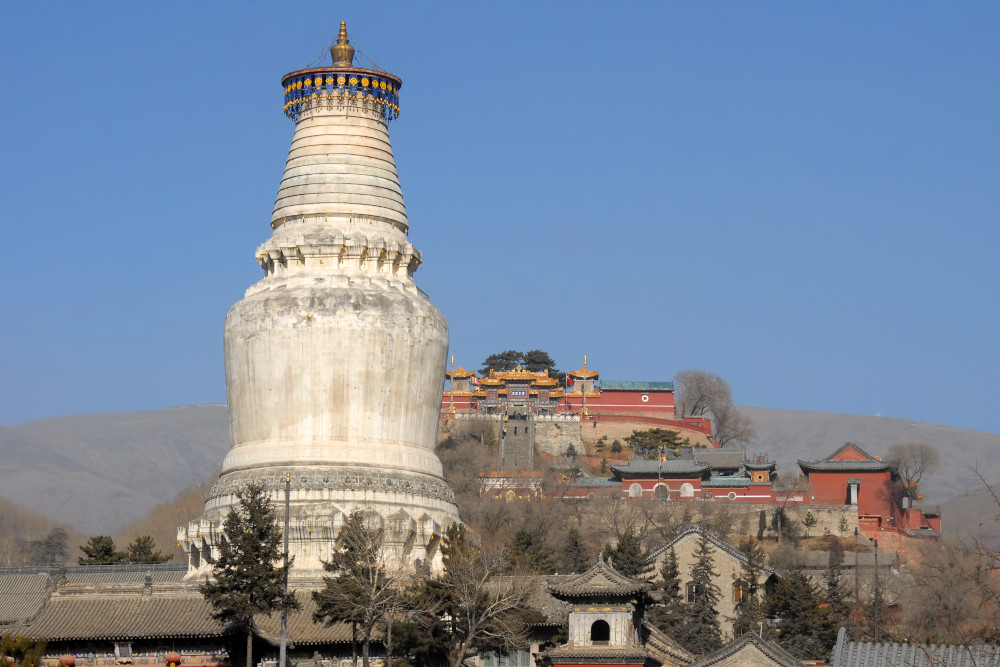
In the fall of 1987, some of China’s most celebrated writers gathered in Shanxi for the Yellow River Literary Symposium. They were critics, editors, and novelists — brilliant minds known for sharp observation and fearless commentary.
On the second morning of the conference, more than 30 of them boarded a bus for a side trip to Wutai Mountain, one of the country’s most sacred Buddhist sites. Their journey would become an unforgettable lesson — one that no classroom or literary debate could have delivered.
A temple visit turns into mockery
The group’s first stop was a monastery nestled in the mountains. Some visitors approached each shrine with quiet sincerity, lighting incense, bowing, and paying respect. Others, however, treated the outing like entertainment.
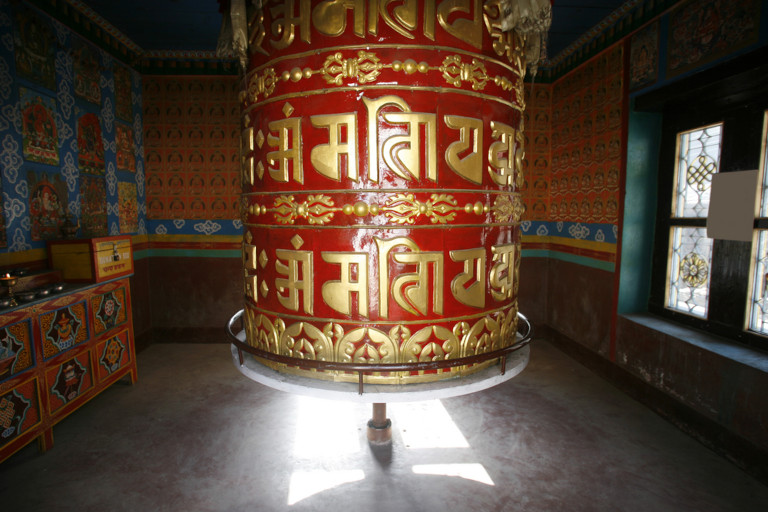
At the site known as the “Eternal Wheel of Dharma,” a few writers began spinning a large prayer wheel for fun. One young female editor laughed as she pushed it in the opposite direction.
“I’ll spin backwards — so what?” she called out.
A few joined her, adding playful shouts that echoed through the courtyard. Later, in the main hall, they spotted a young nun. Instead of maintaining the silence expected in temples, they whispered comments about her appearance. The nun, uncomfortable under their stares and remarks, quietly slipped away.
For many, the moment passed as nothing more than mischief. But for Wutai Mountain, long revered as a place where spiritual intent carries weight, it was the first crack in the group’s humility.
Inside the Buddha Mother Cave
The next day, the bus wound its way to the Buddha Mother Cave, a site honoring Maya Devi, the mother of Shakyamuni Buddha. The cave has two chambers — an outer chamber with a high entrance and a smaller inner chamber that visitors must crawl to enter. The cave’s shape and natural stone formations resemble internal organs, especially on the right side, echoing Buddhist tradition that the Buddha was born from his mother’s right flank.
Pilgrims believe crawling into the inner chamber symbolizes entering the Buddha mother’s womb; emerging represents spiritual renewal and rebirth.
Eager to experience this, one critic climbed inside first. But when a light rain began, others hesitated, afraid their clothes would get dirty. Feeling awkward alone in the dim chamber, he called out in jest:
“I really can see the Buddha Mother’s heart and organs!”
Another critic replied, loud enough for the group to hear: “How would you know what human organs look like? Have you ever seen them?”
The first man shot back: “Maybe not human, but I’ve seen pig organs!”
It was meant as a joke, but the comparison hung in the air, jarring and irreverent in a place countless believers regarded as sacred. No one else entered. The critic eventually crawled back out, brushing dust from his clothes as the group continued down the mountain path.
A sudden plunge into silence
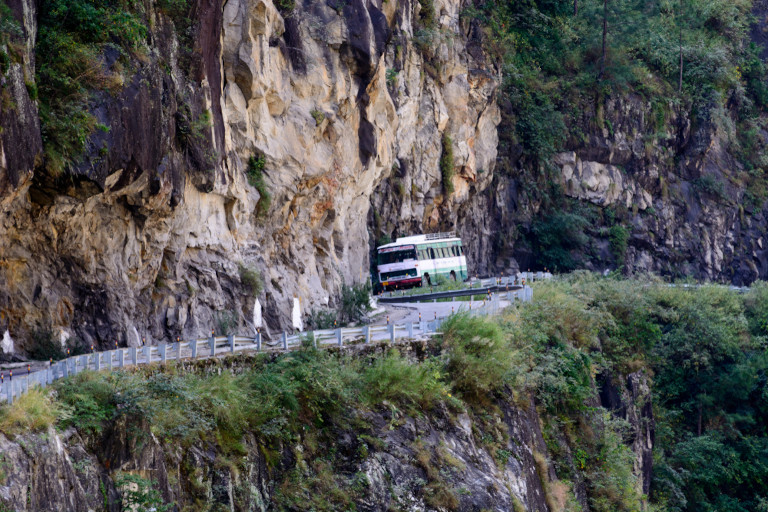
The mood on the bus leaving the site was loud and spirited — until the vehicle lurched. A murmur swept through the seats, replaced almost instantly by silence. The bus had lost its brakes and was speeding downhill, gathering terrifying momentum as it plunged toward a ravine.
Metal screeched. Glass shattered. The vehicle flipped and tumbled like a toy can tossed down a slope.
When everything finally stopped, the writers slowly lifted their heads. Some were bleeding. Others were unconscious. The female editor who had reversed the prayer wheel now had a deep gash across her forehead. A critic from Guangdong sat pale and shaken, the front of his shirt stained red.
And the critic who had joked about “pig entrails”? He suffered no serious injuries — except his lips swelled so dramatically that they resembled a pig’s snout, a visual reminder of the disrespectful remark he had made moments earlier.
No one laughed. The coincidence was too sharp. The memory of his words inside the cave returned to everyone with chilling clarity.
Though the bus was crushed nearly beyond recognition, every passenger survived. Only minor injuries were reported. The miraculous escape left the group shaken — and suddenly very quiet.
A mirror for the heart
Writer Jiang Zilong, one of the passengers, later recalled that he initially felt unhurt. But a hospital exam showed a fracture in his ninth rib. Confused, he sought several medical opinions. Three doctors insisted nothing was wrong. Two confirmed the same fracture.
Perplexed, Jiang turned to a respected elder for insight. The man told him:
“Your rib is fine. This was not a punishment, but a reminder. You are strong and confident by nature, yet in a holy place, you did not restrain those who mocked what others hold sacred. On a mountain full of pilgrims, you moved in the opposite spirit. Injuries do not always strike the body first — they touch the heart.”
Whether one believes in divine intervention or coincidence, Jiang felt the message. The experience, he said, wasn’t about superstition — it was about humility.
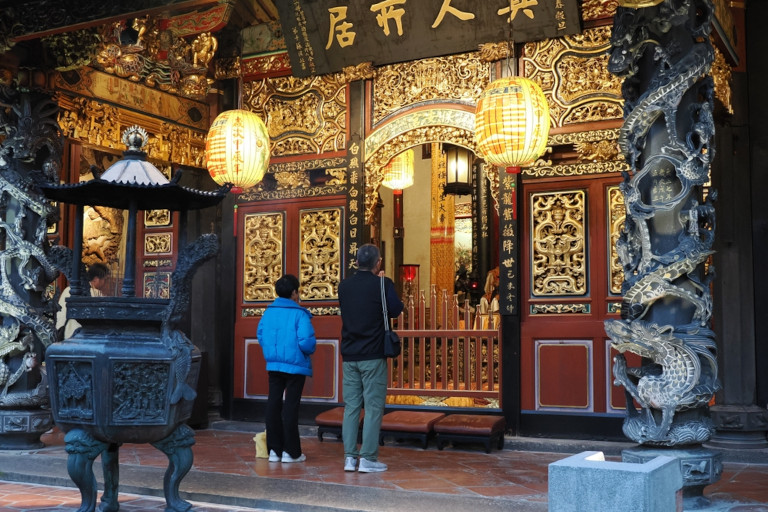
You do not have to believe in a faith to show respect for it. And you do not need to understand everything to refrain from mocking it.
The real lesson is restraint
Fifteen years later, Jiang shared the story publicly, ending it with a verse by Tang Dynasty poet Liu Yuxi:
“Misfortune falls where wrongdoing lies;
Blessings come to those who nurture goodness.”
From the time of that trip onward, Jiang wrote, he developed a quiet habit. Whenever he visited mountains or temples, he would first place reverence in his heart. He spoke less. He judged less. And especially on matters he did not fully understand, he chose silence over cleverness.
Not because he feared punishment — but because wisdom sometimes begins where pride ends.
And on Wutai Mountain that day, 30 brilliant minds were reminded that true sophistication is not in speaking sharply, but in knowing when to bow, when to listen, and when to let the sacred — whatever sacred means to each of us — remain untouched.
Translated by Eva
Follow us on X, Facebook, or Pinterest
