
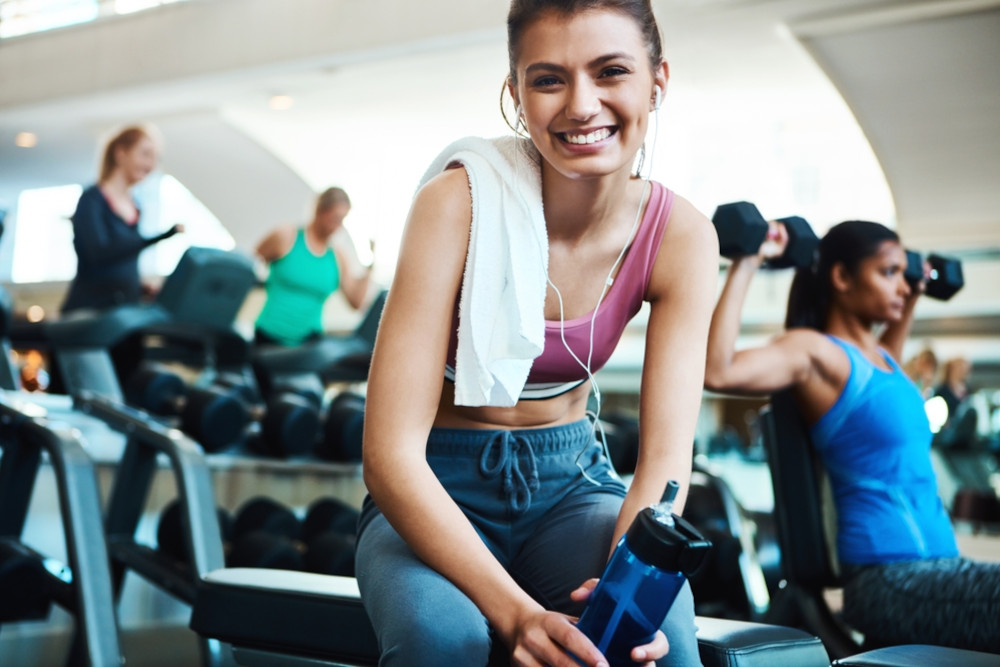
For decades, the wellness industry has relied on a single blueprint for fitness and nutrition: choose a workout plan, follow a diet, and get eight hours of sleep. Yet for many women, that “one-size-fits-all” approach never matched reality — energy levels fluctuate, moods shift, cravings change, and symptoms appear or disappear with the cycle.
Now a new model is emerging. What if workouts, meals, and recovery could adapt dynamically to hormonal rhythms? And what if digital tools could make that adaptation effortless?
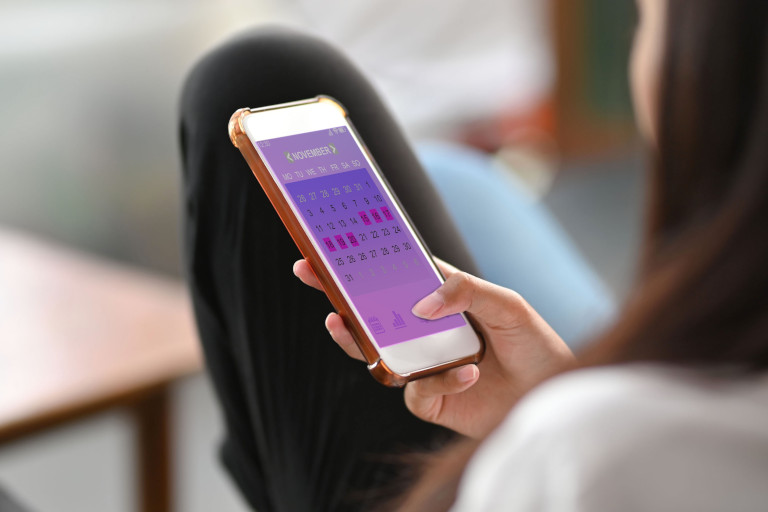
A growing wave of apps and wearables now promise just that. They track menstrual-phase data, combine it with sleep, heart rate, and activity metrics, and use machine learning to recommend personalized adjustments. That shift — from “I should notice how I feel this week” to “my app knows what my body needs” — is transforming how many menstruating women think about fitness and self-care.
Social media and wellness influencers have amplified the movement with a clear message: your body isn’t static from week to week, so your routine shouldn’t be either. The research, however, is still catching up. While evidence remains mixed, the concept of cycle-aware wellness continues to resonate for its promise of personalization and agency.
From spreadsheets to AI-powered cycle awareness
Cycle tracking isn’t new — but it’s never been this intelligent. What once required notebooks and temperature charts now happens seamlessly in apps that analyze months of data at scale.
An extensive app-based study involving more than 378,000 users found measurable relationships between cycle-length variability and reported symptoms. The takeaway: modern algorithms can reveal patterns most people would miss on their own.
According to Cedars-Sinai OB-GYN Kacey Hamilton, MD: “Normal is only normal for you.” In other words, while cycle-syncing has gone mainstream — reaching some 50 million people worldwide — individual hormonal rhythms vary widely.
By merging symptom logs with wearable data such as heart-rate variability and sleep, digital tools make “listening to your body” both data-driven and accessible. That narrative — you’re working with your hormones, not against them — has proven especially powerful for users who never fit the standard template.
Why cycle syncing is gaining traction
Several cultural and technological forces explain why this trend is thriving:
- A broader view of women’s health. Modern wellness culture celebrates body awareness over blind intensity. Cycle-aware fitness aligns with this shift toward mindful performance.
- Lived experience. Many menstruators recognize recurring energy dips, cravings, and mood changes. Adapting routines to these fluctuations feels intuitive and affirming.
- Influencer amplification. TikTok and Instagram teem with “follicular-phase workouts” and “period-week meal plans,” creating social proof and a sense of community.
- Technological ease. As TIME observed, what once required diligence now happens automatically when your phone does the heavy lifting.
In short, cycle syncing fits the moment: personalized, tech-driven, and body-positive. Yet cultural momentum shouldn’t eclipse scientific reality.
What science supports — and what it doesn’t
The evidence is less dramatic than the marketing. A systematic review found no significant differences in strength or adaptation across menstrual phases. Similarly, McMaster University researchers reported no hormonal advantage to cycle-specific training.
As Tom’s Guide summarized bluntly: “The evidence just isn’t there.”
Still, nuance matters. While universal phase-based prescriptions lack proof, individualized tracking shows promise. The experts at Clue note that paying attention to energy levels remains the best way to tailor workouts.
So far, the science suggests:
- Rigid rules like “always lift heavy on day 13” aren’t justified.
- Flexible awareness — tracking, observing, and adjusting — is well supported.
In other words, cycle syncing works best as self-knowledge, not dogma.
How to use tech for cycle-aware wellness — without the hype
If you’re curious about integrating digital tools into your routine, here’s a practical, research-informed roadmap:
- Track your baseline for at least two to three cycles.
Use an app or wearable to log period dates, symptoms, sleep, and training habits. The large-scale study above shows that even simple logs can surface patterns. - Treat app suggestions as feedback, not commandments.
As Therabody experts put it: “The best approach is the one that makes sense for you.” Follow cues, not rigid templates. - Prioritize consistency over precision.
Research shows that regular exercise outweighs phase timing. Over-restricting based on the calendar can lead to under-training, warns Clue. - Watch metrics that reflect recovery and mood.
Declines in HRV, sleep quality, or energy may warrant lighter activity. AI-enabled tools help translate “I feel off” into measurable insights. - Adjust nutrition and self-care in tandem.
Cedars-Sinai notes growing interest in aligning diet and fitness across phases — while warning against overly prescriptive rules. - Account for contraception and irregular cycles.
The Harvard Chan School’s Apple Women’s Health Study found women with irregular cycles exercised slightly less, suggesting one-size guidance rarely applies. - Stay skeptical of bold claims.
Grand promises of “double the results” aren’t supported. As Tom’s Guide reiterated, the narrative often races ahead of the data.
Used thoughtfully, these technologies enhance awareness rather than impose limits.
The next frontier: Personalization, AI, and health insight
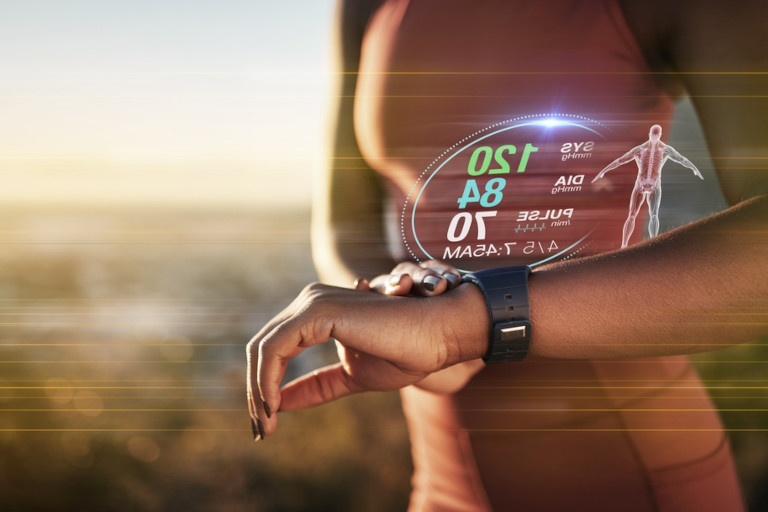
Cycle-aware wellness represents a larger movement: individualized health powered by data. As researchers note on arXiv, menstrual cycle variation can serve as a key indicator of reproductive and metabolic health. When paired with AI analytics, tracking could one day flag early signs of conditions like endometriosis or hormonal imbalance — turning wearables into preventive tools.
Culturally, the shift from “standard plan for everyone” to “routine shaped by me” signals a deeper change in how people view agency and self-knowledge. The challenge is to balance empowerment with realism: technology should assist, not dictate.
Bottom line
Cycle-aware wellness is transforming women’s fitness by combining personal data with mindful self-tracking. The science doesn’t yet prove that syncing workouts to menstrual phases boosts performance — but it does validate self-awareness, flexibility, and personalization.
Choose a reliable app, build a few months of data, observe your rhythms, and let those patterns inform your choices. Use tech as a mirror, not a master.
In a culture obsessed with one-size-fits-all solutions, the new frontier of cycle-aware wellness reminds us that the most advanced program may simply be the one that listens.
Follow us on X, Facebook, or Pinterest
