
We’ve all been there: just as you’re finally drifting off to sleep, an urgent need to pee jolts you awake. You shuffle to the bathroom, groggy and annoyed — only to return to bed wide awake, struggling to fall back asleep. For many people, frequent urination isn’t just a minor annoyance — it’s a disruptive issue that affects sleep, travel, social outings, and overall quality of life.
According to Dr. Hung Yung-Hsiang, a nephrologist in Taiwan, around 20 to 30% of adults experience symptoms of frequent urination. The condition is prevalent in women and people over 50, though younger individuals aren’t immune either.
While frequent urination can be linked to medical issues like an overactive bladder, prostate enlargement, or urinary tract infections, Dr. Hung warns that the most overlooked culprit is often our daily diet.
The case that changed everything
Dr. Hung shared the story of a woman in her twenties who suffered from intense urinary frequency — needing to go almost every hour, to the point where outings with friends became a source of anxiety. After extensive medical testing found no abnormalities, she reviewed her eating habits and discovered that many of her favorite foods were bladder irritants. Once she changed her diet, her symptoms dramatically improved within a week.
This experience highlights a crucial point: what you eat and drink can directly affect your bladder — sometimes more than you realize.
Watch out for these 10 bladder-irritating foods
Here’s Dr. Hung’s list of the top ten foods and drinks that may be secretly sabotaging your bladder. Some may surprise you.
1. Spicy foods
Favorites like spicy hotpot, chili sauces, and sour-spicy soups may be comforting to the tongue, but capsaicin (the compound that gives chili its heat) can irritate the bladder lining — especially if it’s already sensitive. If you often find yourself rushing to the bathroom after a spicy meal, this could be why.
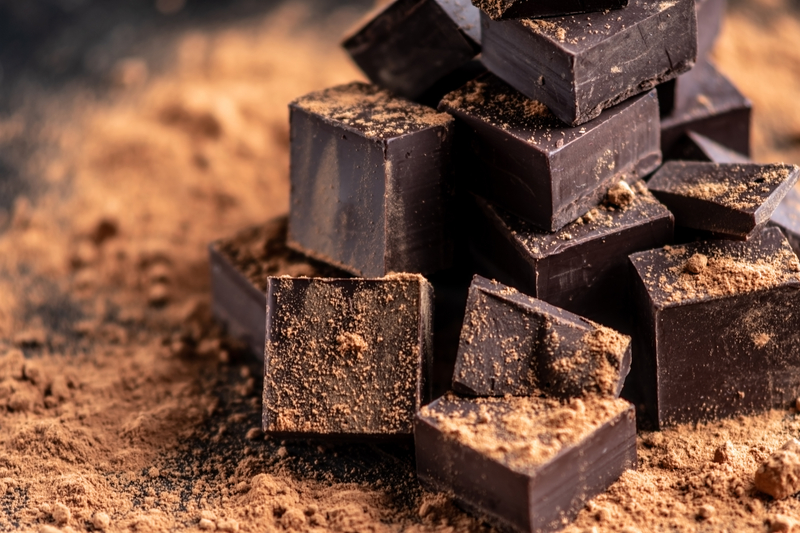
2. Chocolate
Often seen as the ultimate comfort food, chocolate contains both caffeine and theobromine — two compounds known to stimulate bladder contractions. If you have a sweet tooth and suffer from urinary urgency, your chocolate habit could be partly to blame.
3. Water-rich fruits like watermelon
While watermelon is refreshing, it’s over 90% water. Eating a big plate is akin to drinking a full glass of water. Consuming large amounts in a short time can lead to a rapid need to urinate.
4. Sugary sodas and carbonated drinks
Colas, fizzy fruit sodas, and sparkling waters are loaded with sugar, caffeine, and carbonation — a triple threat for bladder health. Studies have found a strong correlation between sugary carbonated beverages and urinary urgency, especially in women.
5. Alcohol
Whether it’s beer, wine, or spirits, alcohol is a diuretic, meaning it increases urine production. It also suppresses the hormone that helps your kidneys retain water — so the more you drink, the more you’ll pee.
6. Coffee
A staple for many office workers, coffee is rich in caffeine, which increases urine production and stimulates the bladder muscles. If you find yourself running to the restroom multiple times before lunch, your morning brew might be to blame.

7. Citrus fruits
Lemons, oranges, and other citrus fruits are high in vitamin C but also contain acidic compounds that can irritate the bladder lining. Some people feel an immediate urge to urinate after a glass of orange juice.
8. Tomatoes and tomato-based sauces
While tomatoes are often seen as healthy, they are high in potassium and naturally acidic. When cooked into sauces — especially when paired with salt and spices — they can trigger bladder sensitivity. Think twice before reaching for that marinara or ketchup.
9. Tea
Green, black, and oolong teas contain caffeine and theobromine, both of which act as diuretics. Many people assume that unsweetened tea is a healthy choice — but for your bladder, it might not be so innocent.
10. Bubble tea and milk teas
Topping the list is Taiwan’s beloved boba milk tea, as well as green tea lattes and other popular milk-based beverages. These drinks combine sugar, caffeine, theobromine, and lactose — a perfect storm of bladder irritants. Just one cup can deliver a multi-hit combo that makes your bladder go into overdrive.
So what can you do about it?
If frequent urination is interfering with your life, start by reviewing your diet. Cutting back on the above “bladder traps” can offer noticeable relief. Dr. Hung also recommends incorporating nutrients that support bladder and urinary tract health, such as:
- Pumpkin seeds
- Lycopene (found in cooked tomatoes, despite their irritant risk)
- Soy isoflavones
- Zinc and selenium
These compounds may help strengthen bladder tissue and improve urinary function over time.
Simple lifestyle changes that make a big difference
In addition to diet, try incorporating light daily exercises to improve circulation and support pelvic health:
- Overhead arm stretches can enhance blood flow to the upper body.
- Soaking your lower legs in warm water before bed can calm the nervous system and reduce nighttime urges.
And remember, frequent urination isn’t just about drinking too much water or getting older. It could signal deeper issues like bladder overactivity, prostate changes, or even kidney stress. If dietary changes don’t help, it’s worth seeing a healthcare provider.
Final thoughts: Your bladder is trying to tell you something
Next time you find yourself wondering: “Why do I need to pee again?” — look beyond your fluid intake. Your daily diet may hold the answer. By learning to avoid common triggers and support your urinary system through food and lifestyle, you can regain control and return to a more comfortable, confident life.
Follow us on X, Facebook, or Pinterest
