
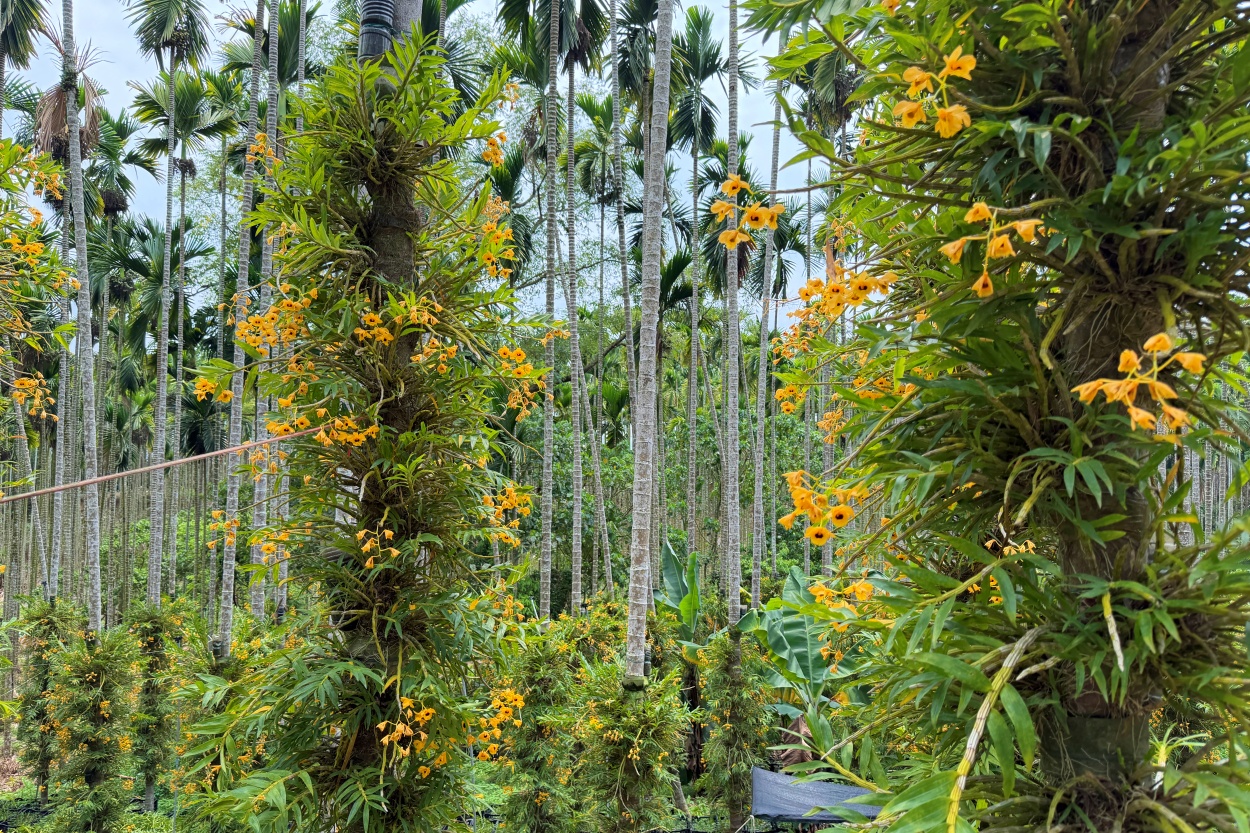
In today’s pursuit of sustainable development, Sun Ten Pharmaceutical is embracing biomimicry-based, eco-friendly farming, opening a new chapter for modern agriculture. At its core, this approach learns from nature — mimicking the multi-layered structure and cyclical processes of forests to transform farmland into self-regulating micro-ecosystems. Unlike conventional agriculture, which relies heavily on chemical fertilizers and pesticides, biomimetic farming emphasizes no-till practices, eco-friendly cultivation, and biological pest control. This not only preserves soil vitality but also enhances biodiversity and builds resilience in the face of climate change.
Local biomimicry: Sun Ten’s path of practice
Sun Ten Pharmaceutical has been actively promoting “localized biomimicry-friendly farming” as part of its commitment to Environmental, Social, and Governance (ESG) principles. By cultivating crops locally, the company reduces carbon emissions associated with long-distance transportation. At the same time, it uses organic fertilizers and beneficial microorganisms to restore soil health and ecological balance. The farm has also removed weed-control mats, creating a habitat where wildlife such as leopard cats can move freely, gradually fostering a harmonious environment where humans and nature coexist.
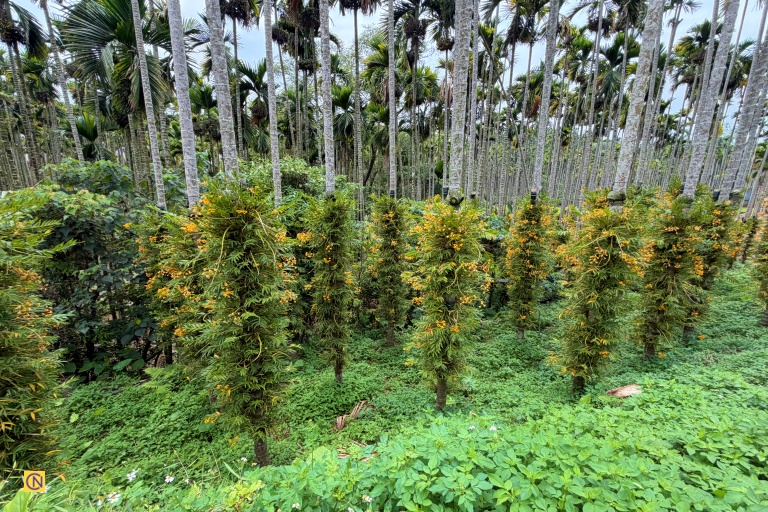
Why it matters: Safe herbal medicine and sustainable supply
More than 90 percent of Taiwan’s traditional Chinese medicinal materials are imported, with around 85 percent sourced from mainland China. This creates a fragile supply chain with inconsistent quality. Take dendrobium as an example: it is a species regulated under the Convention on International Trade in Endangered Species of Wild Fauna and Flora (CITES) and must come from cultivated sources. However, imported supplies often lack clear traceability. Faced with rising costs and unstable quality, Sun Ten has chosen to invest in local cultivation to ensure a safe, reliable supply of medicinal materials while supporting environmental sustainability and industry development.
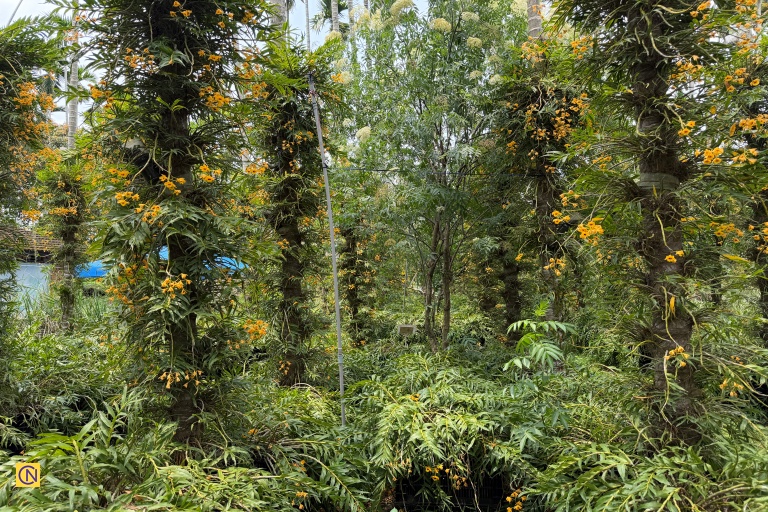
A decade of dedication: Breakthrough in dendrobium cultivation
To uphold its ESG principles of local cultivation, environmental friendliness, and sustainable farming, Sun Ten first invested three years into developing specialized propagation techniques for dendrobium seedlings. This foundational phase was followed by six years of extensive trial and error, during which the company tested various methods, including greenhouse cultivation and outdoor soil planting.
Ultimately, a breakthrough was achieved through epiphytic cultivation: by using biodegradable tape to attach seedlings to betel nut (areca palm) trees, Sun Ten enabled the plants to grow naturally and sustainably within their local environment. This effort has led to the successful establishment of a stable cultivation system for dendrobium in central Taiwan’s Nantou County.
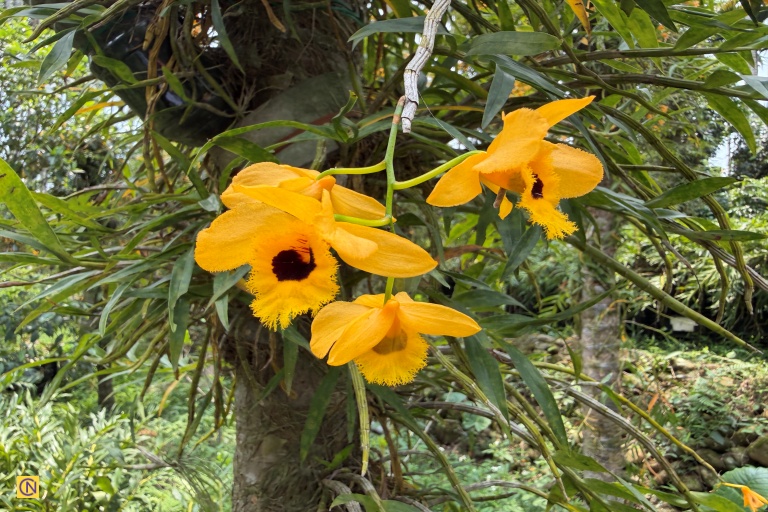
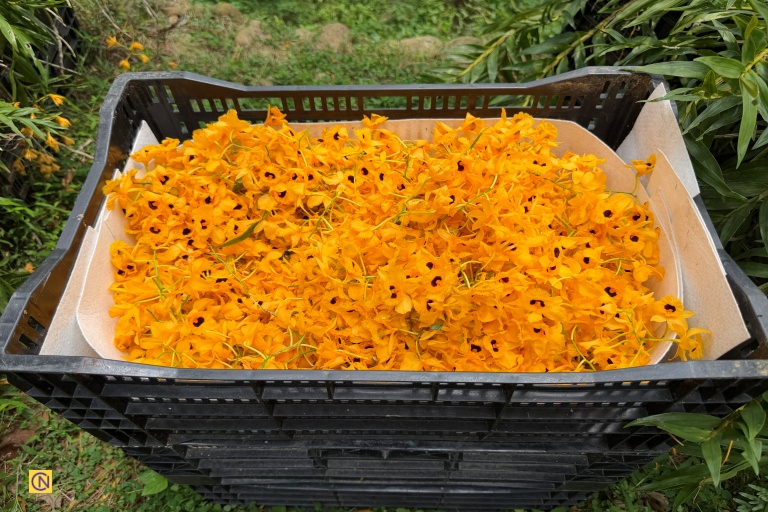
Today, the farm nurtures approximately 300,000 dendrobium plants, which bloom spectacularly each April. The key lies in replicating natural conditions — growing dendrobium epiphytically on betel nut trees and securing them with biodegradable materials to maintain optimal humidity and ventilation. This eco-friendly method not only benefits the environment, but also enhances the active compounds in the plants, resulting in superior quality. The patented cultivation technology has also been recognized with Taiwan’s prestigious Shennong Award.
Diverse cultivation: Full utilization of mulberry trees
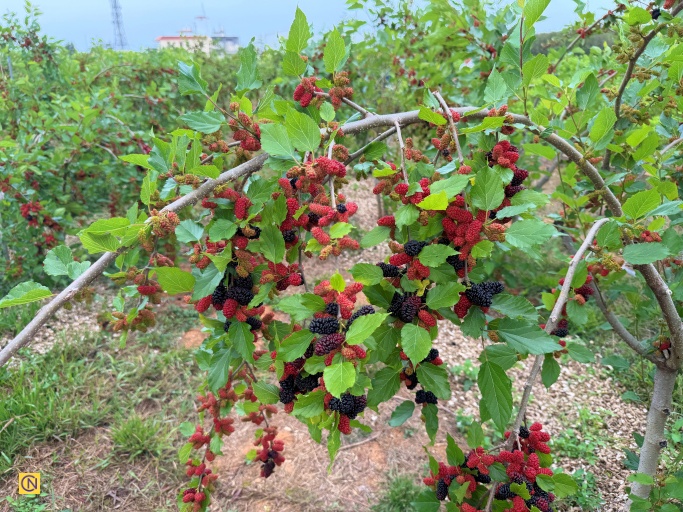
In addition to dendrobium, Sun Ten has planted a large number of mulberry trees at its Nantou base, developing a model for full-plant utilization. The farm produces plump, juicy mulberries rich in flavor, as well as mulberry leaves and twigs used in traditional medicine and health products. Through pesticide-free and chemical-free cultivation, along with research into symbiotic microbial systems, the farm not only improves crop quality but also aligns agricultural practices more closely with natural cycles.
A win-win for ecology and industry
Under biomimetic farming practices, the farm has gradually become a thriving habitat for diverse species, including butterflies, tree frogs, lizards, and birds. Biodiversity continues to increase, reflecting a healthier ecosystem. Meanwhile, localized production significantly reduces carbon footprints, with some raw materials achieving more than a 50 percent reduction in emissions. Sun Ten not only secures a stable supply of high-quality medicinal materials but also develops a range of health products, expanding the modern applications of traditional Chinese medicine.
Looking ahead: Building a sustainable agricultural model
Guided by the principles of eco-friendly cultivation and mutual coexistence, Sun Ten continues to advance research and implementation of biomimetic agriculture. In the future, as smart farming integrates with ecological conservation, this localized biomimicry model could serve as an important reference for Taiwan and the global herbal medicine industry — ensuring the sustainable growth of valuable medicinal resources while allowing more people to benefit from nature and health.
Follow us on X, Facebook, or Pinterest
