

An ordinary journey can transform into an extraordinary lesson when we least expect it
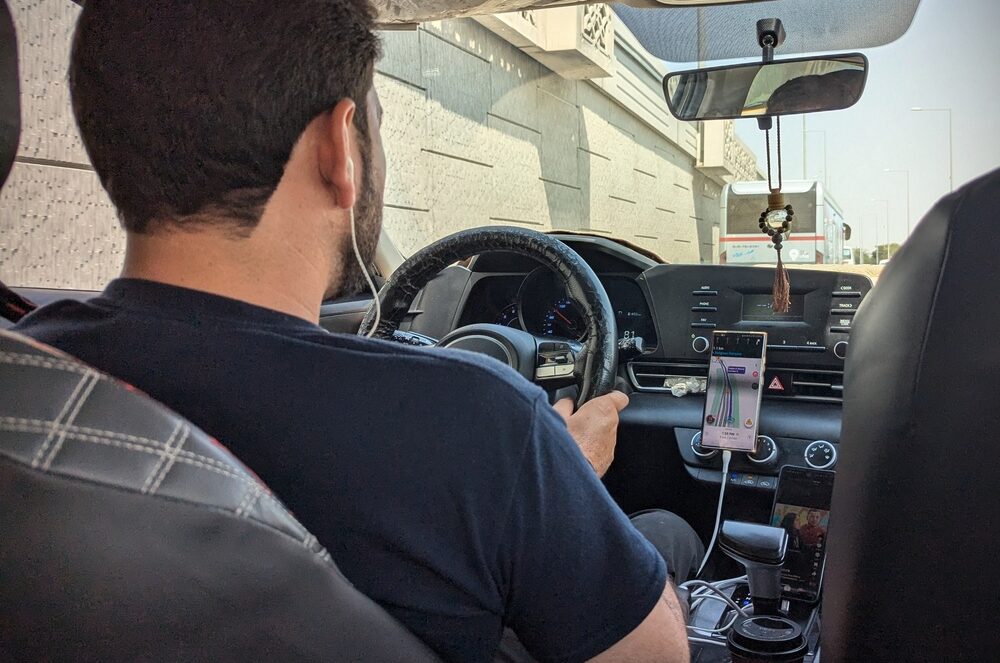
Several years ago in a bustling American city, a writer took a ride-hailing service, anticipating nothing more than a mundane, transactional commute through congested streets. The moment her hand gripped the door handle, and she stepped inside, however, she realized this particular ride would completely defy expectations. The interior of the vehicle was immaculately clean, devoid of the usual clutter, and filled with a refreshing atmosphere that immediately put her at ease. The driver, who was impeccably dressed in a sharp, pressed shirt, turned around with a genuine, radiant smile and welcomed her warmly. Before the vehicle even shifted into drive, the driver extended his hand to present a beautifully printed, laminated card. The text on the card immediately set a unique tone for the trip:
“In a friendly atmosphere, I deliver my passengers to their destination in the fastest, safest, and most economical way.”
True hospitality shines brightest in the places where we rarely think to look for it
Intrigued by this unusual level of professionalism, the writer settled back into his seat, only to be surprised further. The driver turned slightly and asked if she would care for a beverage, offering a choice of hot coffee from a pristine thermos, chilled bottled water, or a variety of other drinks. Stunned by the gesture, the writer admitted she had never encountered a ride-hailing service that doubled as a mobile café. Upon requesting a hot coffee, the driver poured a fresh cup effortlessly and then offered another printed card detailing the day’s available newspapers, along with a list of radio stations featuring classical music, live news, and talk programs. As they navigated their route, the driver noticed a bottleneck forming ahead on the standard path. Instead of sitting idly, he proactively suggested an alternative route that would bypass the traffic jam. He explicitly noted that while it would save the writer valuable time, the fare would remain entirely unchanged. This simple act of integrity made it abundantly clear that this driver was invested in the passenger’s well-being.
The choices we make regarding our attitude shape the reality of our daily lives
Unable to contain her fascination, the writer leaned forward to strike up a deeper conversation with this remarkable individual rather than opening a newspaper. She asked how the driver maintained such boundless enthusiasm and provided five-star luxury service for the exact same regulated fare as other drivers, who typically spent their shifts grumbling about gridlock, rude passengers, and poor earnings. The driver chuckled softly and offered a surprising confession: he had once been exactly like them. For years, he explained, he had allowed the daily grind to embitter him, constantly finding fault with the grueling hours, the unpredictable weather, the erratic traffic, and his perpetually low income. He had trapped himself in a toxic feedback loop, firmly believing that the entire world was conspiring against his success and happiness, until a random radio broadcast changed the entire trajectory of his life.
Shifting our focus away from problems allows us to clear a path toward real success
The radio program featured an author discussing the core philosophy of a book called A Complaint Free World, which posited a radical but simple premise: the moment you stop verbalizing complaints, you begin moving toward success. This concept struck a profound chord within the driver, forcing him to recognize that his stagnant circumstances were a direct reflection of his stagnant, negative mindset. He realized that complaining solved absolutely nothing; it merely amplified his misery and blinded him to potential opportunities. His commitment to change began small: during the first year of his experiment, he vowed to stop complaining entirely and focus solely on greeting every single passenger with an authentic, joyful smile. To his astonishment, this single behavioral adjustment doubled his tips by the end of the 12-month period.
Dedication to the comfort of others can yield unexpected personal and financial rewards
Encouraged by these initial results, the driver decided to elevate his customer service strategy during the second year of his journey. He began actively studying the subtle, unspoken needs of his passengers — offering reading materials, tailoring the audio environment to their preferences, and providing refreshing beverages to weary travelers. He learned to listen intently when passengers wished to vent, and to offer tranquil silence when they needed rest. Predictably, his tips doubled again, allowing him to curate one of the most celebrated, highly rated driver in the service area. Glancing at the writer through the rearview mirror, the driver smiled and noted that the writer was simply a fortunate beneficiary of a rare open slot in an otherwise packed schedule.
Dwelling on negativity only serves to keep us anchored to our current limitations
The driver’s profound evolution provides a universal blueprint for human behavior, demonstrating that while complaining feels natural, it is an entirely futile exercise. When life presents challenges, it is incredibly easy to fall into a victim mindset, loudly lamenting our jobs, financial deficits, strained relationships, failing health, or general bad luck. We find ourselves asking why everything constantly goes wrong or why no one steps forward to rescue us from our predicaments. However, chronically focusing on disappointments merely anchors our attention on others’ flaws and the perceived unfairness of the universe. This constant state of blame drains our creative energy, darkens our emotional baseline, alienates the people around us, and leaves us feeling utterly powerless to control our own destinies.
True transformation requires us to separate our own responsibilities from the rest of the world
Real transformation demands that we courageously shift our focus from diagnosing what is wrong to actively executing what we can do differently. An ancient philosophical proverb suggests that all matters in the universe can be neatly divided into three distinct categories: our own matters, other people’s matters, and Heaven’s matters. Much of our daily anxiety and complaints stem from mixing up these categories by trying to control things outside our domain. When we stop complaining about ourselves, we open the door to meaningful self-reflection and personal development. When we cease complaining about others, we abandon useless criticism in favor of transparent communication and respectful boundaries. Finally, when we stop fighting Heaven’s matters — such as the weather, global events, or the past — we can embrace acceptance and channel our energy into faith, hope, and proactive adjustments.

A deliberate change in perspective empowers us to master our own responses
Ultimately, the individual possessing the greatest power to revolutionize your life is the one looking back at you in the mirror. Self-reflection serves as a vital pause button, allowing us to ask constructive questions about our reactions, habits, and the lessons hidden in our setbacks. This profound shift in perspective does not require us to deny reality or wear rose-colored glasses; rather, it empowers us to see situations with absolute clarity so we can identify what we can control and gracefully let go of what we cannot. By adopting the practical framework of the “three don’ts and three mores” — choosing not to criticize, complain, or blame, while striving to offer more encouragement, sincere praise, and genuine appreciation — we reclaim our personal agency. Truly exceptional individuals understand that while they cannot dictate the chaotic circumstances of the world, they retain absolute, unassailable sovereignty over their own attitudes and actions.
Translated by Cecilia and reviewed by Tatiana Denning
Follow us on X, Facebook, or Pinterest
