
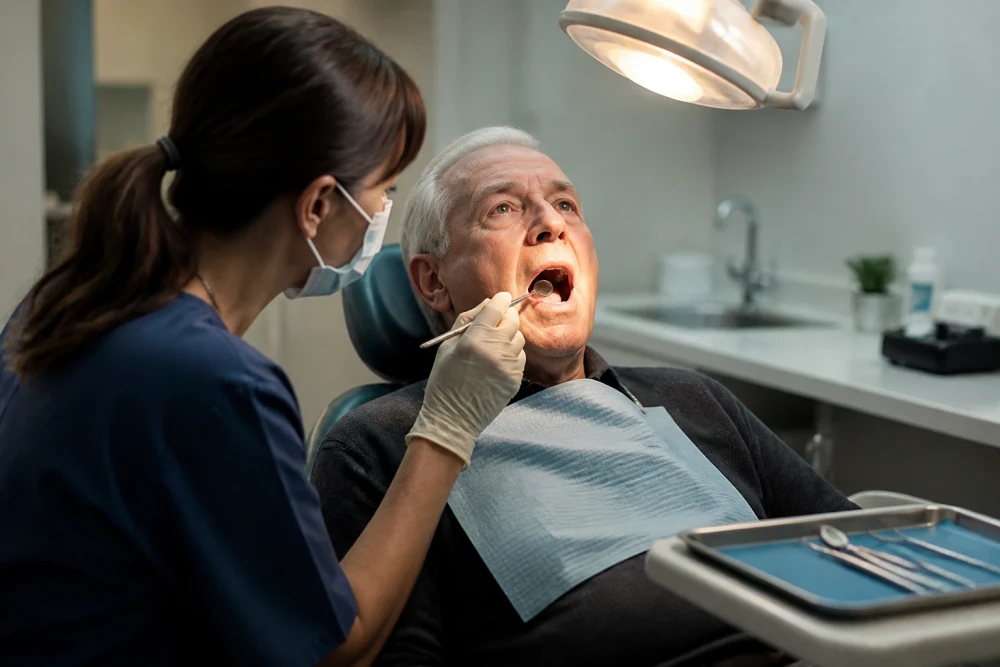
The intersection between oral hygiene and systemic medical conditions has long fascinated researchers, yet the surprising depth of this connection continues to unfold. Recent medical investigations show that something as seemingly mundane as how many natural teeth a person retains can have profound implications for life-threatening illnesses. Specifically, emerging data suggests a compelling link between dental health and survival rates following pancreatic cancer surgery. This discovery bridges fields of medicine that were once considered entirely distinct, uniting oncology and dentistry in a shared pursuit of better patient outcomes.
Dental health and pancreatic cancer survival outcomes
At the center of this breakthrough is a pivotal research study conducted by a dedicated team of scientists and medical professionals at Hiroshima University in Japan. Published in the esteemed Journal of Hepato-Biliary-Pancreatic Sciences, the study meticulously examined patients who underwent pancreatic resection surgery between 2014 and 2022. Every participant underwent a thorough dental examination before surgery. Researchers then analyzed the relationship between the total number of remaining natural teeth, posterior tooth occlusion, and overall postoperative survival time.
The Hiroshima University study’s statistical findings were striking and surprised many oncologists. Patients who retained 21 or more natural teeth before surgery survived an average of 60.7 months. In stark contrast, individuals with 20 or fewer natural teeth had a median survival of only 39.1 months. This translates to a massive survival gap of approximately one year and ten months, highlighting an unexpected variable in long-term cancer prognosis that clinical teams previously overlooked during standard pre-surgical assessments.
Skeptics might initially assume that this survival disparity stems entirely from mechanical factors, such as the ability to chew food efficiently. However, the study thoroughly investigated posterior tooth occlusion — the proper alignment of back teeth during biting — and found no statistically significant association with overall survival. This finding confirms that the observed survival differences cannot be explained simply by the idea that individuals with more teeth chew better, absorb more nutrients, and therefore live longer. The underlying mechanism points toward something far more complex and systemic.
Understanding the systemic biomarkers of tooth loss
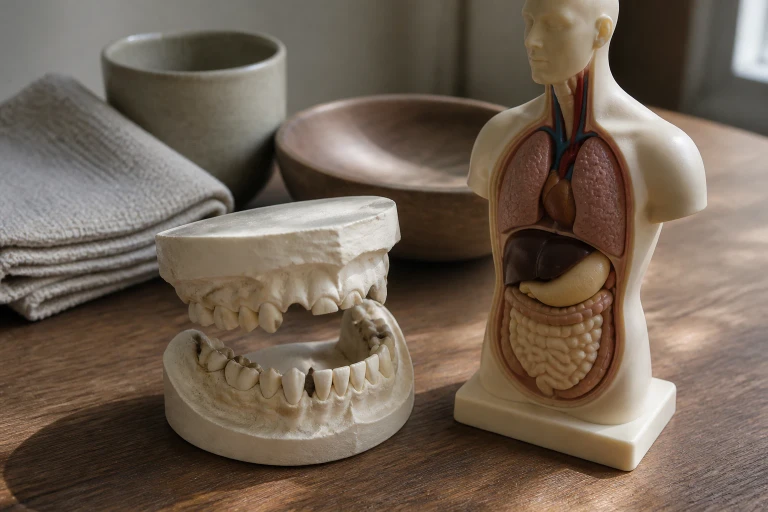
Researchers hypothesize that the total count of natural teeth acts as a reliable cumulative biomarker reflecting a person’s long-term overall health status. Over the course of decades, a deteriorating dental profile often mirrors chronic systemic inflammation, physical frailty, cumulative nutritional deficits, and other adverse health conditions. A closer look at the patient data showed that individuals with significantly fewer teeth tended to be older and had higher rates of pre-existing comorbidities. These included diabetes mellitus, impaired renal function, and poorer baseline immunological indicators.
Consequently, the number of teeth serves more as an external prognostic indicator of lifelong health trajectory rather than a direct, isolated causative factor dictating pancreatic cancer progression. The research team emphasized that while tooth count is clearly associated with long-term survival among pancreatic cancer surgery patients, additional comprehensive investigations are essential. Future research will explore how specific oral microbiome profiles, chronic periodontal inflammation, and systemic disease pathways interact to influence pancreatic cancer outcomes.
Beyond oncology, dental health also affects neurology, particularly cognitive preservation and neurodegenerative disorders. Medical literature increasingly underscores the reality that maintaining optimal oral health can help mitigate the risk of severe cognitive decline, including dementia. Alzheimer’s disease remains the most prevalent form of dementia worldwide, affecting tens of millions of individuals while presenting a growing public health crisis. While modern medicine frequently highlights risk factors like hypertension, diabetes, and clinical depression, oral health is often neglected despite its profound influence on brain function.

Exploring the neurological link between missing teeth and dementia
A groundbreaking study led by Dr. Fu Chung-Ling of the Neurological Institute at Taipei Veterans General Hospital was published in September 2025 in the Journal of Dentistry, shedding new light on this neurological connection. Collaborating closely with the Department of Oral Medicine, Dr. Fu and his team investigated whether dental status influences the development of cognitive impairments. The study evaluated 81 older adults aged 60 and older and subjected them to rigorous cognitive assessments that categorized them into four groups: cognitively normal, subjective cognitive decline, mild cognitive impairment, and Alzheimer’s disease.
Alongside these cognitive evaluations, each participant underwent a comprehensive dental examination to map tooth loss, denture use, bite alignment, periodontal health, and functional chewing capacity. The results yielded three critical insights into how oral decline mirrors neurological vulnerability. First, poor bite alignment between upper and lower dental arches can compromise cognitive function even during the earliest stages of evaluation. This suggests that mechanical occlusion problems begin influencing central nervous system pathways well before family members or physicians notice clinical symptoms of dementia.
Second, the study confirmed a direct, dose-dependent relationship with tooth loss: the more teeth a person loses, the exponentially higher their risk of developing dementia. Third, the research highlighted that early clinical restoration of missing teeth with prosthetic dentures can help mitigate this neurological risk. Replacing lost dental structures helps restore proprioceptive feedback loops to the brain, which in turn stimulates neural pathways and supports long-term cognitive vitality.
The Taipei Veterans General Hospital study uncovered staggering relative risk multipliers among the elderly cohort. Older adults who had lost more than 14 natural teeth were roughly ten times more likely to develop Alzheimer’s disease compared to peers who experienced minimal tooth loss. Furthermore, these individuals faced nearly five times the risk of developing intermediate mild cognitive impairment. Across the entire cohort, greater cumulative tooth loss consistently correlated with faster rates of clinical cognitive deterioration and more advanced structural brain changes.

Proactive steps for preserving lifelong dental and cognitive wellness
These converging lines of scientific inquiry underscore an urgent paradigm shift in how healthcare providers view routine dental care. Maintaining a healthy smile is no longer merely a matter of aesthetic appeal or basic nutrition; it is an essential component of total systemic wellness, cancer survivorship, and neurological defense. Recognizing these biological ties encourages medical practitioners across diverse specialties to collaborate more closely with dental professionals to safeguard overall patient longevity.
Given the clear link between dental health, oncological outcomes, and cognitive preservation, clinical guidelines are evolving rapidly. Medical experts now strongly recommend that adults over 60 undergo routine, comprehensive dental examinations to monitor periodontal health and prevent unnecessary tooth loss. Individuals already experiencing missing teeth should consult qualified dental professionals as early as possible to explore effective restoration options. Taking proactive steps to preserve or restore dental function protects physical resilience and neurological health for years to come.
Translated by Cecilia and reviewed by Laura Cozzolino
Follow us on X, Facebook, or Pinterest
