
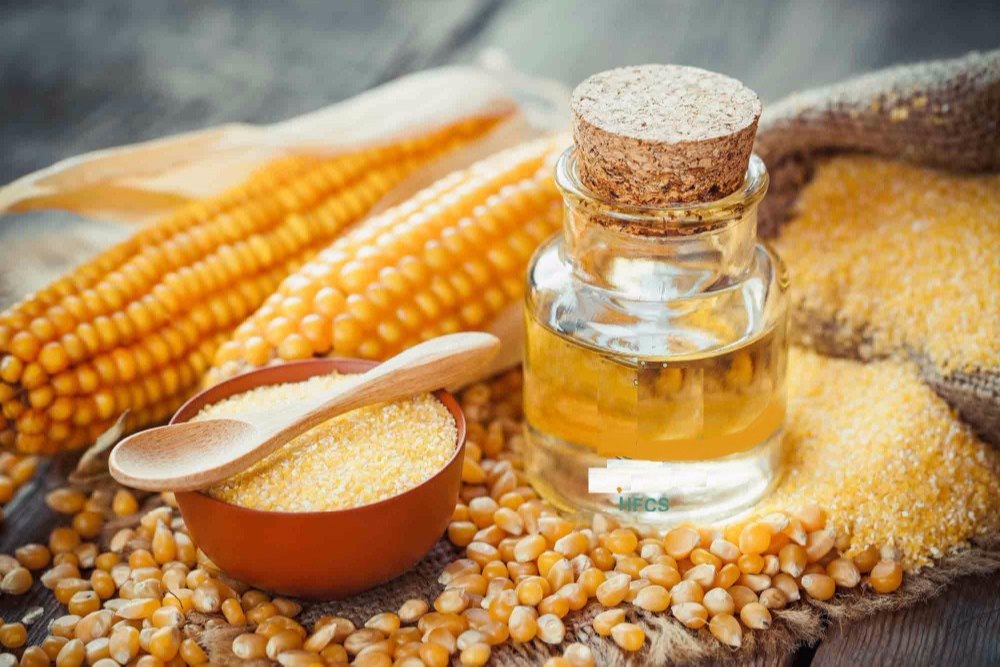
You might think you’re safe from sugar’s harmful effects because you don’t eat candy or drink soda often. But if you’re regularly enjoying pastries, fruit-flavored yogurts, salad dressings, or even “healthy” fruit juices, you might be falling into a dangerous trap without realizing it. The real culprit? High-fructose corn syrup — a common sweetener that’s now recognized as being more harmful than sugar and alcohol when it comes to your health.
What is high-fructose corn syrup, and why is it everywhere?
High-fructose corn syrup (HFCS) is an inexpensive, industrial sweetener produced by the enzymatic breakdown of cornstarch. It’s about 1.5 times sweeter than regular table sugar and is used in thousands of processed foods — from jams and jellies to bread, beer, canned goods, sauces, and even medicine syrups.
Unlike natural fruits that contain fiber to slow sugar absorption, High-fructose corn syrup hits your bloodstream fast. The glucose and fructose in it are rapidly absorbed, causing blood sugar levels to spike rapidly. And while an occasional indulgence won’t harm you, regular consumption builds up over time, leading to serious health consequences.
Why High-fructose corn syrup is a silent health killer
In the 50 years since High-fructose corn syrup became a staple in processed foods, America — and increasingly the rest of the world — has seen alarming rises in obesity, gout, diabetes, and other metabolic diseases. Let’s break down how this sweetener, sweeter and cheaper than sugar, wreaks havoc on the body.

It fuels obesity
High-fructose corn syrup suppresses your body’s natural “I’m full” signals. That means you keep eating long after you should stop. Excess sugar that the body can’t use gets stored as fat, leading to weight gain. Worse yet, excess fat produces a protein called retinol-binding protein 4 (RBP4), which disrupts metabolism and increases the risk of diabetes.
It raises uric acid and triggers gout
As fructose is metabolized in the liver, it produces purine compounds. These break down into uric acid, and when uric acid levels rise too high, crystals form in the joints, causing painful gout attacks. Regular consumption of High-fructose corn syrup is a significant contributor to high uric acid levels.
It promotes insulin resistance and diabetes
Excessive sugar consumption leads to the accumulation of fat in the body. As fat accumulates, your cells become resistant to insulin — the hormone that helps regulate blood sugar. This is the fast track to type 2 diabetes.
It damages your liver
Because fructose isn’t regulated by insulin, it heads straight to the liver. When consumed in large amounts, the liver gets overwhelmed. It starts converting the sugar into fat — leading to non-alcoholic fatty liver disease (NAFLD), even in people who never drink alcohol.
It impairs brain health
Your brain runs on glucose, but too much sugar can be toxic. Excessive amounts disrupt neuron function, increasing the risk of cognitive decline, memory problems, and even Alzheimer’s disease. Studies have shown a strong link between high sugar intake and increased risk of dementia.

What can you eat instead? Try these naturally sweet winter vegetables
Craving something sweet doesn’t mean you have to turn to cookies or juice. Nature provides its answer — especially in the colder months, when some vegetables naturally convert their starch into sugar, creating a mild and healthy sweetness. These “frost-sweetened” vegetables can help you build a better nutritional foundation during winter.
Chinese cabbage
A traditional favorite, Chinese cabbage, both napa and bok choy, is often referred to as the “king of vegetables.” Its fiber-rich stalks aid digestion, while vitamin C and a compound called indole-3-carbinol help prevent the spread of cancer cells.
White radish
There’s a saying: “Eat radish in winter, ginseng in summer.” Radishes boost digestion, ease inflammation, and support a healthy immune system. It also contains compounds that may help prevent cancer and stimulate the body’s natural interferons.
Eggplant
Often overlooked during the cold season, eggplant is rich in vitamin P, which helps strengthen capillary walls and supports cardiovascular health. The purple skin contains anthocyanins, powerful antioxidants that slow aging and reduce oxidative stress.
Final thoughts: Beware of the sweet enemy in disguise
We often focus on fats and calories as the enemies of good health, but the real villain hiding in plain sight may be sugar — especially high-fructose corn syrup. Its low cost and high sweetness have made it the go-to additive in processed foods, but the health cost is enormous.
To be truly healthy, you don’t just need to cut back on sugar — you need to be vigilant about hidden sugars lurking in your daily diet. Prioritize whole, unprocessed foods, and let nature’s sweetness — from vegetables, fruits, and grains — guide your taste.
Follow us on X, Facebook, or Pinterest
