
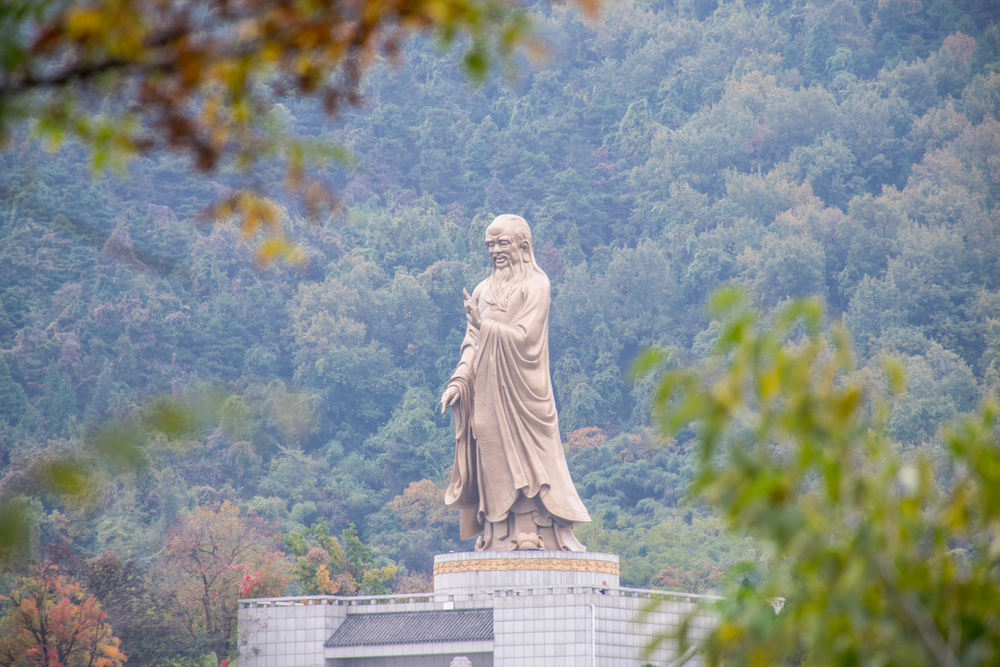
Although the Tao Te Ching contains just 5,000 characters, its meaning stretches across heaven and earth. Within its poetic verses lie timeless insights into human behavior, governance, and the path to inner peace. Among its many lines, some idioms stand out as distilled expressions of Laozi’s wisdom — phrases that have guided Chinese thought for over two millennia.
11 idioms and what they reveal about living with balance, humility, and purpose
1. Understanding yourself is the start of true wisdom
“Knowing others is intelligence; knowing yourself is true wisdom.” (Chapter 33)
True wisdom begins with understanding yourself. While it’s easy to judge others, it takes honesty and discipline to reflect inward. A person with self-awareness can recognize their strengths and weaknesses, make wiser choices, and avoid repeating mistakes. This kind of clarity marks the start of real progress.
2. Success depends on how you finish, not just how you begin
“Be cautious at the end as at the beginning, and there will be no failures.” (Chapter 64)
Many people start tasks with focus and care, only to relax as they near completion. This idiom reminds us to maintain diligence all the way through. When we treat the final steps with the same care as the first, we avoid careless errors and ensure true success.
3. Hide your brilliance and move through the world with grace
“Soften your brightness and mix with the dust.” (Chapter 56)
This poetic line suggests hiding your brilliance and blending into the ordinary world. Rather than showing off, it’s wiser to remain humble and avoid drawing unnecessary attention. Those who quietly carry great wisdom or skill often stay out of trouble — and live in harmony with others.
4. The strongest approach is quiet restraint
“Know the male, keep the female; be the valley of the world.” (Chapter 28)
This phrase uses yin and yang imagery to convey balance. “Knowing the male” refers to strength and assertiveness; “keeping the female” points to gentleness and restraint. Together, they reflect the wisdom of knowing when to act and when to yield. Sometimes, holding back isn’t weakness — it’s a matter of patience and timing.
5. The more you cling to, the more you risk losing
“Excessive love leads to great cost; great accumulation leads to great loss.” (Chapter 44)
Overattachment to wealth, status, or possessions often ends in ruin. Those who endlessly chase material gain may use unethical means to get ahead — and ultimately suffer the consequences. The more we try to hoard, the more we risk losing what truly matters: our peace, integrity, and freedom.
6. Misfortune hides within fortune — and vice versa
“Disaster is where blessing hides; blessing is where disaster hides.” (Chapter 58)
Good fortune and misfortune are often intertwined. Hard times can teach valuable lessons or build inner strength. Meanwhile, comfort and ease can make us careless, leading to future troubles. This idiom reminds us to stay humble in success and hopeful in difficulty — because each contains the seed of the other.
7. Force breeds resistance, but kindness echoes back
“Those who govern with the Dao do not use force; their actions will return to them.” (Chapter 30)
When power is abused, it breeds resistance. Laozi teaches that true leadership avoids force and values compassion, restraint, and integrity. The universe, like a mirror, reflects our actions back to us. If we act with kindness, the return is peace. If we impose with violence, we reap rebellion.

8. Contentment comes from understanding your limits
“Knowing contentment avoids disgrace; knowing when to stop avoids danger.” (Chapter 44)
Being content doesn’t mean giving up — it means understanding your limits. Time, energy, and opportunity are finite. Chasing everything often leads to losing everything. Those who know what’s enough can live with dignity and calm, without the stress of endless pursuit.
9. Wisdom means knowing when to stop
“Knowing when to stop avoids danger.” (Chapter 44)
Knowing when to quit is a kind of wisdom. Some people press on without pause, even when the risks grow obvious. Others understand when it’s time to step back, avoid unnecessary conflict, or let go. In life, both striving and stopping have value — the key is knowing which to choose and when.
10. True mastery doesn’t need to show off
“Great skill appears clumsy; great eloquence seems hesitant.” (Chapter 45)
Those who seem the flashiest aren’t always the most skilled. True mastery often appears simple or even awkward on the surface. Laozi’s point is that quiet strength and subtle intelligence often surpass showy talent. Don’t underestimate what doesn’t shout.
11. Peace comes from appreciating what you have
“There is no greater disaster than not knowing contentment.” (Chapter 46)
Desire is endless — and dangerous. Chasing what we lack often blinds us to what we already have. Learning to be content brings peace that doesn’t depend on circumstances. It helps us enjoy what’s ours, let go of what isn’t, and avoid the stress and sorrow of always wanting more.
Translated by Joseph Wu
Follow us on X, Facebook, or Pinterest
