
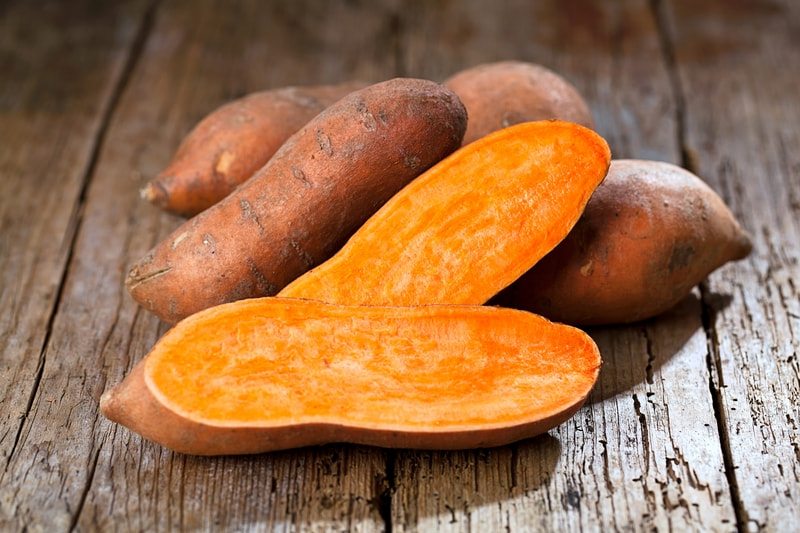
Sweet potatoes (Ipomoea batatas) or tubers are often called yams in the U.S., although the true yams from Africa and Asia are different in colour and starchier. They are native to the Americas and typically orange-skinned. But they can also be white, red, or purple. They provided a vital food source for the Maya, Aztecs, and Inca peoples. Peruvian archaeological evidence indicates that they were consumed as early as 8000 BC.
Chinese people began using sweet potatoes in the 16th century. Since then, due to their adaptability, rapid maturation, and high nutritional value, they have become a vital disaster relief food. All types of sweet potatoes are rich in polyphenols and have strong antioxidant properties.
A nutritional powerhouse
In modern times, sweet potatoes have once again become a popular staple, thanks to their inherent nutritional value. Nutritionist Huang Yiling from Taiwan’s Ke Yi Nutrition Consulting Center gives an analysis of this sweet potato, whose roots, stems, and green leaves surprisingly offer protection against many chronic diseases.
Huang Yiling explained that sweet potatoes are a whole starch and can serve as a replacement for rice and noodles in filling meals. Yellow, red, and purple sweet potatoes are all rich in minerals, polyphenols, flavonoids, carotene, vitamins, and dietary fiber. Huang believes the insoluble fiber in sweet potatoes acts as a scavenger in the intestines, increasing stool bulk, promoting intestinal peristalsis, and expediting the excretion of toxins, making it a powerful detoxification tool.
Color counts
Yellow sweet potatoes are rich in calcium, flavonoids, starch, and insoluble fiber. The skin of yellow sweet potatoes is rich in flavonoids and fiber. You can brush it clean to avoid it being baked too hard or burnt during cooking, making it easier to eat. Red sweet potatoes are rich in vitamin A, beta-carotene, lutein, and zeaxanthin, which can help improve vision. Purple sweet potatoes are rich in anthocyanins, flavonoids, and insoluble fiber. The nutrients in sweet potatoes can help regulate blood sugar levels.

A natural boost of GLP-1
Huang explained that studies have shown sweet potatoes to be high in polyphenols and flavonoids, antioxidant nutrients that can reduce oxidative stress in pancreatic cells and protect pancreatic function. These polyphenols and flavonoids have functions similar to those of the gut hormones “incretin,” GLP-1, and GIP, which stimulate insulin release from the pancreas after food is consumed. These hormones help the body utilize blood sugar more effectively and mitigate the effects of the liver’s glucose-raising hormones.
Having too much of a good thing
However, Huang also pointed out that while sweet potatoes can help protect pancreatic cells and effectively utilize blood sugar, they are starchy, so it’s essential to manage consumption, as they can lead to weight gain. Eating them should be accompanied by a corresponding reduction in other starchy foods, to avoid having the opposite effect. Sweet potato leaves are dark green vegetables rich in chlorophyll, a potent antioxidant and nutrient that protects the eyes.
Key nutrients include:
- High levels of vitamin A and beta-carotene, which aid the eyes in light sensitivity
- Potassium and calcium
- High in insoluble fiber
- Zeaxanthin and lutein: Protecting against blue light and preventing eye damage

Superfood combo
Sweet potatoes and sweet potato leaves are excellent ingredients for preventing chronic diseases, as many such diseases originate from chronic inflammation, which can be mitigated by lowering blood sugar, reducing blood lipids, regulating blood pressure, and improving overall health, including the prevention of type 2 diabetes. They can also help prevent cancer.
Rich source of polyphenols and flavonoids
Sweet potatoes and sweet potato leaves can control “The three highs”: high blood pressure (hypertension), high cholesterol (dyslipidemia), and high blood glucose (diabetes). This combination of conditions significantly increases the risk of serious health problems like heart disease, stroke, and kidney disease.
Huang points out that heating sweet potatoes releases more polyphenols and flavonoids, making them best eaten heated. However, anthocyanins are easily destroyed by high temperatures, making them unsuitable for deep-frying. She suggested that the most nutritious way to cook sweet potatoes is to cut them into large pieces and steam, and avoid high-temperature baking or frying. However, don’t cut up and boil purple sweet potatoes; stick to baking them, instead.
Translated by Patty Zhang and edited by Helen London
Follow us on X, Facebook, or Pinterest
