
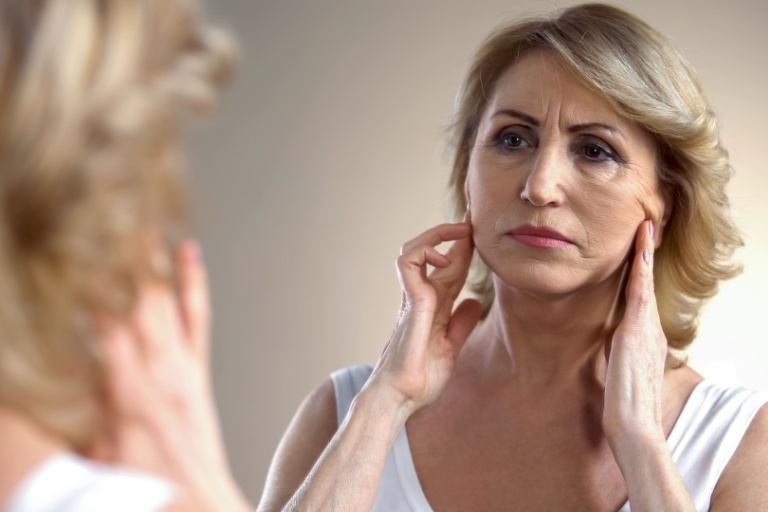
Have you noticed that as you get older, you tend to linger a little longer in front of the mirror, and a thought quietly pops into your mind: “Huh? How did I end up looking like this?” You used to be a radiant beauty or a charming young man, and now your face bears more lines, your glow has faded, and you almost don’t recognize yourself. Don’t worry — you’re not alone! It appears that many people, once they pass the age of 30 or 40, begin to feel anxious about their appearance.
But have you ever noticed that some people around you, who are about the same age, somehow look like they are ten years younger? Their skin is firm with a rosy complexion, and when they smile, they exude youthfulness. You can’t help but take a second glance.
Do they possess some magical elixir? Or do they maintain a secret beauty regimen that no one is privy to? Ancient wisdom has already unveiled the answer: “Appearance stems from the heart.” You may have heard this phrase before, but do you truly understand its deeper meaning? “Appearance stems from the heart” means that your looks are actually a reflection of your inner world. The way you think and live each day gradually etches itself onto your face. Subsequently, over time, it’s your mindset, habits, and temperament that quietly shape the lines around your eyes and brows.
There’s a fascinating passage in the ancient book Siku Quanshu: “Before judging a person’s appearance, listen to their voice; before listening to their voice, observe their actions; before observing their actions, understand their heart.”
What does this mean? Before you look at someone, listen to how they speak; before you listen, watch how they behave; more importantly, understand the root of what lies in their heart. The heart is the seed, and the face is the blossom. Whatever you plant and harbour inside yourself will bloom and be revealed in your outer appearance. When people hear “appearance stems from the heart,” they might dismiss it as old-fashioned spiritual advice. But if you think it’s just empty words, you’re missing out on a treasure trove of ancient wisdom.
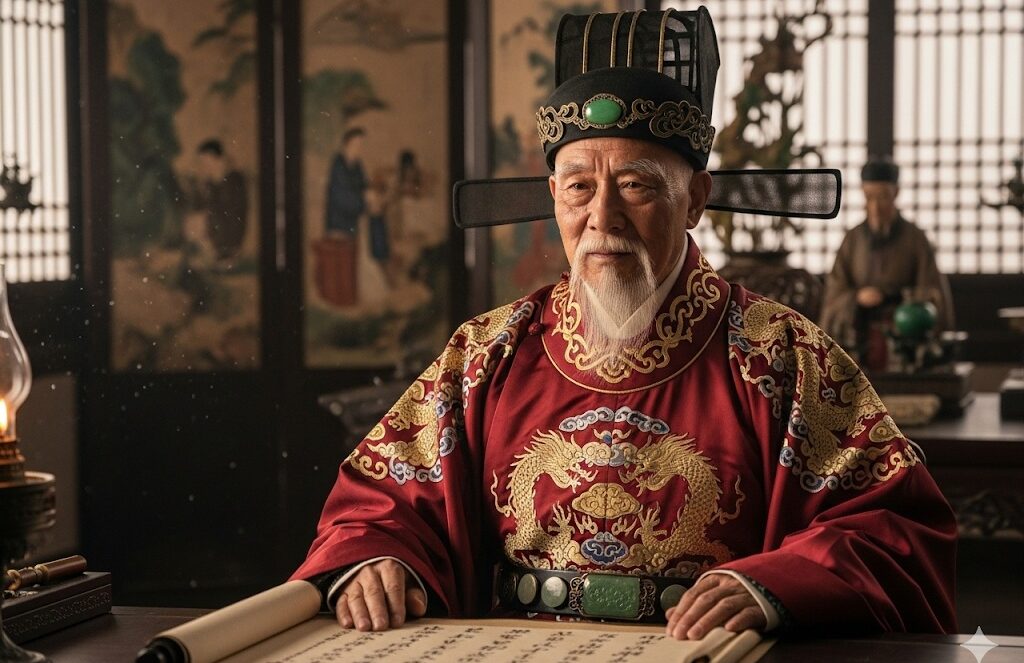
Let’s look at two stories from the Tang Dynasty — real people whose lives were transformed by their hearts and whose appearances reflected their inner changes. Let’s see how the heart can shape the face, and how the face can influence the course of a person’s destiny.
Pei Du’s reversal of fortune — from the face of a beggar to that of a prime minister
Let’s begin with the story of Pei Du. In his later years, Du became a prominent figure who served four emperors of the Tang Dynasty. Very few people know that in his youth, he was a penniless young man barely scraping by. One day, Pei Du encountered a revered monk named Yixing. This monk wasn’t just any religious figure — he was a renowned physiognomist, said to be endowed with the ability to see through lifetimes with a single glance.
Upon seeing Du’s face, the monk sighed and said, “Your features… your eyes are unfocused, your lips pale — this is the face of a beggar, destined to die on the streets.” Such words would shake anyone. But the monk wasn’t trying to discourage him. He advised Du to cultivate kindness and purify his heart, saying that only then could his fate change.
A few days later, Du visited Xiangshan Temple and happened to find a jade belt that a woman had lost. Instead of keeping it, he traveled a great distance to return it. Coincidentally, the belt was meant to be sold to save her father’s life. By returning it, Du had saved two lives.
Not long after, Du met the monk again. This time, the monk’s eyes lit up. “Your face has changed!” His gaze was clear, his entire face radiant with energy. The monk patted his shoulder and spoke a line that has echoed through the ages:
“A body seven feet tall is not as important as a face seven inches wide; a face seven inches wide is not as important as a nose three inches long; and a nose three inches long is not as important as a heart the size of a dot.”
What does this mean? That what truly determines your destiny isn’t your height or your looks — it’s your heart.
History confirms what followed. Pei Du rose to great wealth and power, becoming a prime minister and general, with a reputation that spread far and wide. His children were also successful. He became a living example of how “appearance follows the heart.”
Pei Zhang’s tragic life — a corrupted heart, a collapsed face
Not everyone is so fortunate. Consider another man with the same surname — Pei Zhang. He was born into a noble family, with a full forehead and square jaw, the classic appearance signs of wealth and prosperity. His father was a spiritual practitioner and a close friend of the monk Tan Zhao. Upon first seeing Zhang, the monk said, “This child will have a brilliant future.”
Soon after, Zhang married and became a local official. Everything seemed smooth and promising. But years later, Tan Zhao saw him again and was shocked by the change. His forehead had sunken, his jaw had narrowed, and black energy swirled around his palms. This wasn’t just aging — it was a sign of impending disaster.
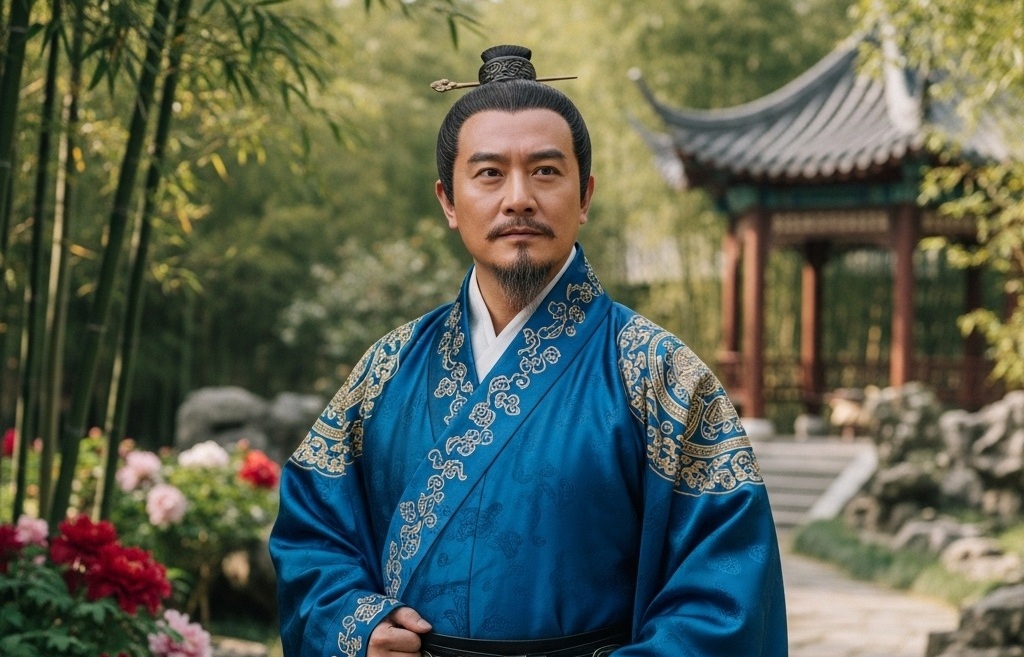
The monk asked, “Have you done anything shameful in recent years?” Zhang initially denied it, but later admitted that while serving in Taiyuan, he had cheated on his wife and had an affair. The monk sighed, “You were blessed, but you destroyed it yourself. A lack of virtue ruins the face; bad conduct shortens life.” Sure enough, Zhang was soon assassinated in his bathroom, his organs spilled, his life ended in tragedy.
Two men with the same surname, yet vastly different fates. It’s like a drama of destiny. But the principle is simple: “With heart but no appearance, appearance changes in accord with the heart (as in Du’s case); with appearance but no heart, appearance fades with the heart (as in Zhang’s case).”
Is this just an ancient superstition? Think again! Modern science confirms that a person’s face reflects their inner and physical state. From the perspective of traditional Chinese medicine, what’s inside will manifest outside. Your energy, organs, and nervous system are all connected to your face. A person who is joyful, kind, and generous will naturally have a glowing complexion and smiling eyes.
On the other hand, someone who constantly complains, envies, and resents will have a darkened face, shifty eyes, and drooping lips — hardly appealing to anyone. It can be said that the heart is the true makeup artist and plastic surgeon. Whatever state your heart is in, your face will follow and reflect. Your appearance is a mirror; your heart is the source. If you want beauty or a change in fortune, start by cultivating your heart. Whether your fate is good or bad depends on your own personal choices.
To improve your luck and relationships, you don’t need incense or surgery — nurture your heart: be sincere with others, act with kindness, and learn to be patient and forgiving. When you truly embody the virtues of truth, compassion, and tolerance, your face will shine, your destiny will shift, and even those around you will find you warm and more lovable. When you look in the mirror again, you’ll smile at yourself.
Translated by Cecilia and edited by Maria
Follow us on X, Facebook, or Pinterest
