
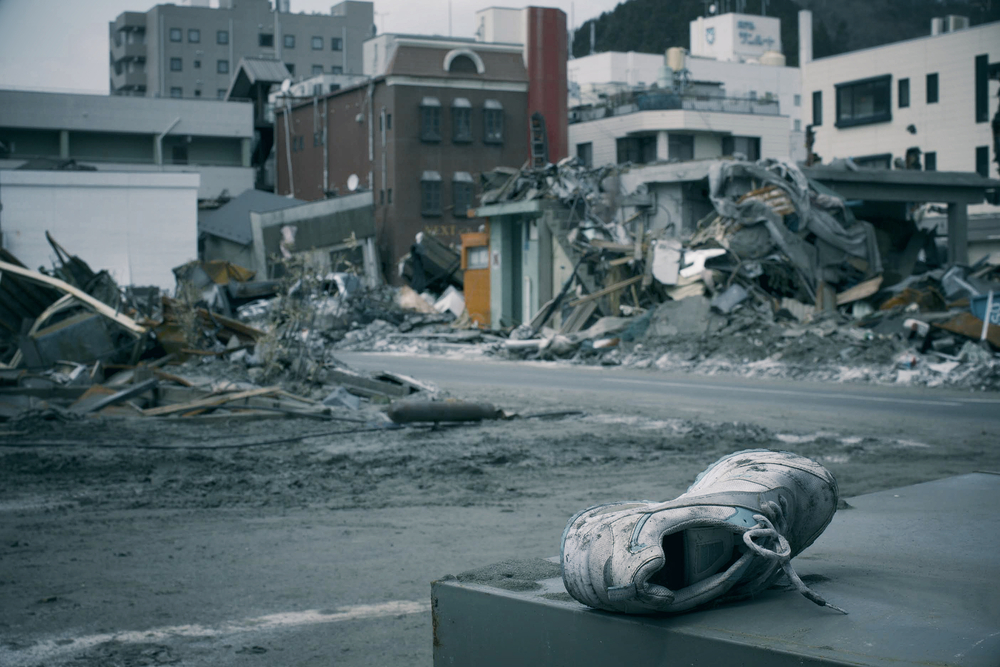
Taiwan has long extended goodwill beyond its borders. It came to Japan’s aid in its darkest hour, and it also came to China’s. Yet the responses Taiwan received could not be more different — and the contrast is painful to confront. Japan now stands forward to shield Taiwan, while the Chinese Communist Party (CCP) threatens Taipei with missiles. This divide has nothing to do with geography or ethnicity. It reflects something far deeper: the difference between gratitude and resentment, between human conscience and totalitarian rule.
Taiwan-Japan ties were not inevitable; they were earned through kindness
Taiwan and Japan were not destined to be close partners. The turning point in their relationship did not come from formal agreements or diplomatic maneuvering, but from a moment that moved ordinary people. That moment was the Great East Japan Earthquake of 2011.
When the earthquake and tsunami struck, entire cities were swallowed by the sea. Japan plunged into its gravest national crisis since World War II. Around the world, people whispered that it might not recover easily from this blow.
Then came a donation that stunned the country.
Taiwan contributed ¥20 billion — about US$120 million — in disaster relief. It was the largest donation from any country in the world. Not from the United States. Not from Europe. Not from oil-rich nations. It came from Taiwan, a society with only one-fifth of Japan’s population.
In NHK street interviews, Japanese citizens struggled to hold back tears as they said: “We never imagined Taiwan cared so deeply about us.” Even today, many there recall those words whenever Taiwan is mentioned.
When governments hesitated, the Japanese people responded
Under pressure from Beijing, the Japanese government initially avoided publicly thanking Taiwan. At the 2012 memorial event, officials even hesitated to invite Taiwanese representatives to lay wreaths.
But the people of Japan acted on their own conscience.
Subway stations were filled with signs reading “ありがとう台湾” (“Thank you, Taiwan”). Cinemas screened Taiwanese short films expressing solidarity. Citizens organized spontaneous fundraising drives to donate back to Taiwan. Shops posted notices offering special discounts to Taiwanese visitors.
This was not orchestrated diplomacy. It was gratitude in its most human form.
Goodwill awakens goodwill
In 2013, when Shinzo Abe took office, Japan crossed a line it had long avoided. For the first time, the government openly used the name “Taiwan.” Prime Minister Abe formally invited Taiwan’s representative, Shen Shichun, to present flowers on stage — breaking a taboo imposed for years.
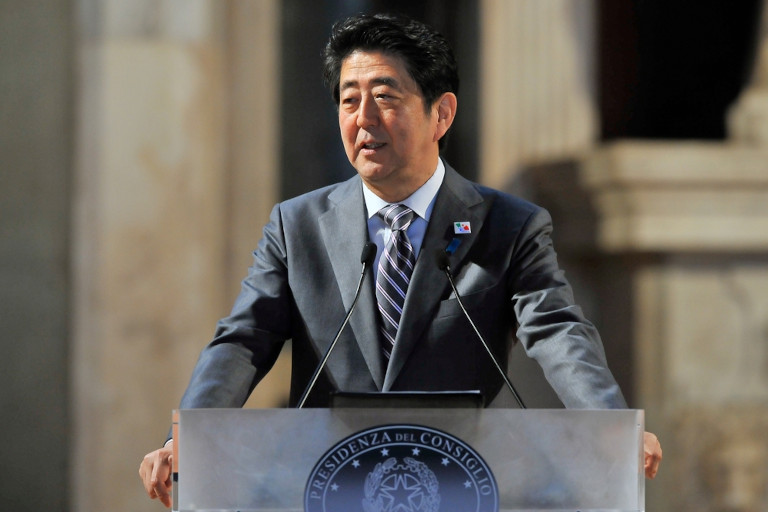
Beijing responded with fury, boycotting the event. Japan did not retreat.
From that moment on, Taiwan-Japan relations entered a historic period of warming. Years later, Japanese leader Sanae Takaichi would publicly declare: “An issue concerning Taiwan is an issue concerning Japan.”
This was not merely a strategic calculation. It was the return on fourteen years of remembered kindness.
Taiwan also saved China — and received missiles in return
Taiwan’s generosity was not reserved for Japan. In 2008, after the devastating Wenchuan earthquake, Taiwan mobilized massive relief efforts for China. The total donation reached US$220 million — more than Taiwan gave Japan.
This aid went far beyond money. Some sold their homes to donate. Others entered disaster zones despite continuing aftershocks. Taiwanese rescue teams were among the first to arrive. Political factions set aside differences. Government and civil society acted together.
This was not political maneuvering. It was a humanitarian instinct.
The CCP’s response revealed its nature
China’s response unfolded in three chilling steps.
First, Taiwan’s name was deliberately omitted from official donor lists.
Second, Taiwanese markings were removed from relief facilities — its name scraped from monuments and plaques.
Third, over the following decade, the CCP’s only “repayment” was intimidation: missiles aimed at Taipei, military aircraft encircling the island, cyberattacks, and repeated threats of forced “unification.”
This is what Taiwan received after saving lives in China.
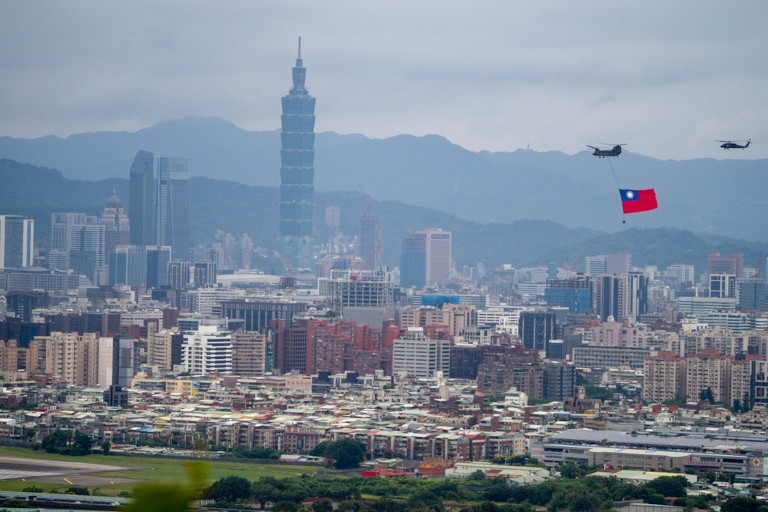
When goodwill meets totalitarianism, gratitude is replaced by hostility. A regime that cannot acknowledge kindness behaves much like an individual who cannot — untrustworthy and dangerous. This is the modern, real-world version of The Farmer and the Snake.
Why Japan remembers, and the CCP seeks to erase
The difference lies not in policy, but in worldview.
Japan approaches relationships through a tradition of moral memory: You helped me when I was in pain; I will not forget it. That is why they now stand in front of Taiwan.
The CCP operates from a fundamentally different logic. It does not recognize gratitude as a moral obligation. Help is treated as something owed; refusal is treated as rebellion. This is not simply a matter of political calculation — it reflects an ideology that rejects moral limits, transcendent accountability, and the dignity of conscience.
Such a worldview produces behavior that feels inhuman because it is detached from the ethical instincts that govern normal human relationships.
The present makes the past unmistakably clear
In today’s international landscape, the contrast is unmistakable. The CCP blacklists and sanctions Japan. Japanese leaders, including Sanae Takaichi, openly voice support for Taiwan. The statement “An incident in Taiwan is an incident in Japan” would once have been unthinkable.
Many assume this is purely geopolitics. It is not. Beneath strategy lies something older and more powerful: remembered gratitude.
As an old saying goes, virtue is never isolated; it always finds neighbors.
Taiwan is worth defending
The Chinese Communist Party fumes. State media lashes out. Online nationalist mobs rage. Yet Japan does not back down.
Japan has shown through action that Taiwan is worth defending — because the country remembers who reached out when it was at its lowest point.
Taiwan is not weak. It is strong precisely because it has cultivated a culture of kindness. As the saying goes, Taiwan’s greatest beauty lies not in its landscapes, but in its people.
That kindness is recognized by democratic societies and valued by the world. Only the CCP chooses to trample it.
Kindness is not wrong; misplacing it is
History has delivered a clear answer. Saving Japan earned Japan’s protection. Saving China earned threats of annihilation from the CCP. This is how true friends and true adversaries are revealed.
Kindness itself is not a mistake. The mistake is offering it to those who regard it as weakness.
Japan stands with Taiwan today not because Taiwan is helpless, but because Taiwan is worthy. In Japan’s heart, Taiwan’s aid became a responsibility: You once saved me; I must protect you.
In the CCP’s heart, it became an entitlement: You saved me — now submit, or be crushed.
These two paths — one rooted in gratitude, the other in domination — have shown Taiwan who its true friends are. May Taiwan always preserve its kindness, but never again confuse goodwill with naïveté. Give generosity to those who honor it, and entrust the future to a world willing to defend what is good.
This island of freedom is a home worth protecting — together.
Translated by Eva
Follow us on X, Facebook, or Pinterest
