
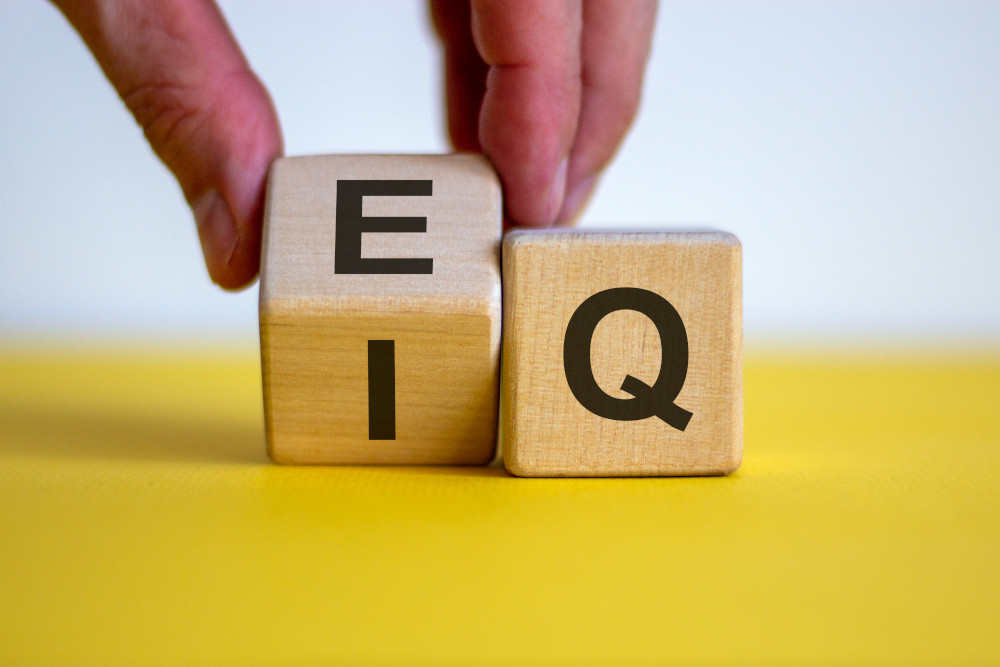
In recent years, emotional intelligence has drifted from the margins of pop psychology into the hard center of organizational life. Once dismissed as a fuzzy “nice-to-have,” it is now treated with the seriousness of a technical competency — tested in hiring, embedded in leadership models, and quietly shaping who rises and who quietly plateaus. If the twentieth century rewarded efficiency and expertise, the twenty-first seems hungry for something more human: the ability to understand emotions, regulate reactions, and navigate the subtle tensions of modern work.
But this shift didn’t happen overnight. It emerged from a convergence of research, management theory, and, more surprisingly, the voices of ordinary workers, reflected in comment sections and Reddit threads. Together, they tell a story about why emotional intelligence has become indispensable — and why developing it may be as much self-preservation as self-improvement.
Why emotional intelligence in the workplace became a revolution
The academic argument for emotional intelligence is surprisingly robust. A meta-analysis of more than 104 peer-reviewed studies found that leaders with strong emotional intelligence consistently fostered higher team performance, greater cohesion, and more resilient group dynamics — especially in environments characterized by uncertainty or rapid change. In other words, emotional quotient (EQ) is not a cosmetic personality trait; it is a functional skill directly tied to measurable outcomes.
Harvard’s leadership researchers echo this. They note that leaders with high emotional intelligence communicate with clarity, manage conflict more gracefully, and foster climates of psychological safety — conditions that directly predict innovation and retention. The Center for Creative Leadership even calls empathy — one of EQ’s core dimensions — a hard business skill after finding that managers ranked high in empathy received stronger performance ratings and led teams with lower burnout.
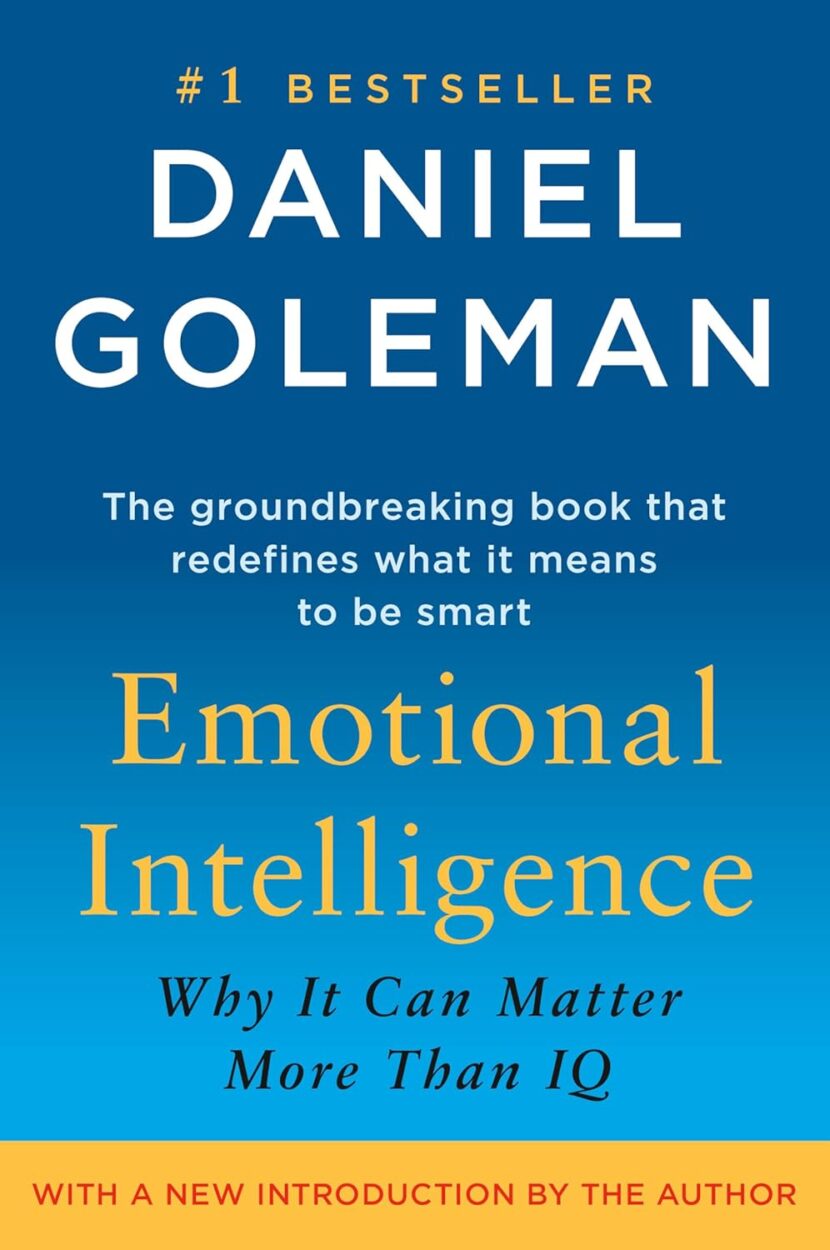
Perhaps the most precise articulation comes from Daniel Goleman, whose landmark work Emotional Intelligence: Why It Can Matter More Than IQ reframed the concept of success. Goleman argued that while intelligence quotient (IQ) determines ability, EQ determines trajectory: “People with strong emotional skills succeed because they manage their inner world well, and because they can read and navigate the emotions of others.” Leadership, in this view, is less about commanding and more about attunement.
Yet as compelling as this expert consensus is, it does not fully explain why emotional intelligence has become a workplace revolution. To that end, we must look beyond laboratories and executive classrooms. We must look to workers themselves, whose lived experience increasingly mirrors the research. This leads naturally to the next movement in the story: how bestselling books translated academic insight into cultural momentum.
How emotional intelligence became a bestseller
Even before emotional intelligence infiltrated HR policies, it captured readers. Goleman’s 1995 book sold millions, spawning workplace-focused sequels and inspiring toolkits like Emotional Intelligence 2.0, which became a staple in management onboarding programs. Amazon reviewers praised the practical exercises that helped them “correct the lack of emotional intelligence” in ways that felt concrete rather than theoretical. Goodreads threads brim with complaints that traditional workplaces reward output over empathy — but these critiques coexist with appreciation for books that offer scripts, strategies, and behavioral rewiring.
This duality — the hunger for EQ and the frustration with environments that do not yet value it — reveals something about why these books endure. They do not merely describe a skill; they validate a feeling many workers already have: that competence alone is not enough to thrive in today’s professional world.
And yet, books can only capture one layer of a cultural shift. Beneath the polished testimonials lies a rawer, more conflicted discourse happening in places like Reddit, where workers talk openly about emotional labor, burnout, and psychological survival. It is in those digital conversations that the revolution becomes personal — paving the way for the next chapter: the view from the ground.
What workers say when nobody’s watching
If experts argue that EQ predicts performance, Reddit often reveals why employees cling to it as a lifeline. In r/emotionalintelligence, posts titled “Best book for improving EQ?” sit next to “How do I stop reacting emotionally at work?” Commenters describe how emotional intelligence helped them avoid workplace conflicts, navigate toxic cultures, or keep their anxiety from spilling into team interactions.
In r/AskReddit, threads asking “Why isn’t emotional intelligence valued as much as IQ?” echo a recurring frustration: Companies glorify emotional intelligence rhetorically, but often reward obedience, speed, or silence over genuine empathy. One user puts it bluntly: “They want you emotionally intelligent as long as the emotion is: ‘I’m fine, thanks.’”
Yet other threads offer a counterpoint — stories of managers with extraordinary EQ who became “the only reason people didn’t quit,” or engineers who advanced because they could translate tech jargon into relatable explanations. These testimonies mirror the research: Emotional intelligence creates cohesion, reduces friction, and boosts collective performance.
Still, employees are grappling with a contradiction: emotional intelligence is celebrated but inconsistently rewarded. Some fear that “you lack EQ” is becoming a vague managerial critique — one that masks favoritism, communication gaps, or cultural bias. Others argue EQ is unfairly gendered, with women expected to carry disproportionate emotional labor without receiving corresponding recognition.
These tensions reveal that emotional intelligence is more than a skill. It is a form of psychological infrastructure — or a missing one. And this is why the next shift feels inevitable: as AI transforms work, EQ becomes the one human capacity that cannot be automated.

AI makes EQ essential, not optional
When Satya Nadella, CEO of Microsoft, said that “IQ without EQ is a waste of IQ,” he was not indulging in sentimentality. He was pointing toward a tectonic shift in work itself. AI can write code, automate workflows, summarize meetings, and generate analytics. What it cannot do — at least not meaningfully — is build trust, soothe tension, sense unease, or hold space for nuance.
Research on “quiet cracking” — employees masking emotional exhaustion while maintaining productivity — suggests that AI monitoring tools are unable to detect subtle human distress. HR leaders warn that as workplaces become more automated, organizations risk losing the invisible relational fabric that keeps teams functioning.
Workers sense this, too. On Reddit, threads about “future-proofing careers” often conclude that roles combining technical skills with interpersonal intelligence will be the most resilient. A software engineer writes: “AI can write 80 percent of the code, but it can’t lead a meeting where three teams disagree.”
This realization reframes emotional intelligence not as a soft skill, but as a survival skill — professionally and personally. As the world of work becomes faster and more technologically complex, EQ becomes the grounding force that keeps teams human, communicative, and cohesive.
And so we return to the beginning: the quiet revolution that began in research labs and leadership journals has rippled outward, reshaping not just how we work, but how we understand one another in the workplace.
The future of emotional intelligence at work
The soft skill revolution is not a trend; it is a structural change in how organizations operate. Emotional intelligence is now embedded in leadership models, recruitment frameworks, team development programs, and wellness initiatives. It is taught in MBA programs and referenced in policy discussions about psychological safety.
Yet perhaps its most significant power lies in its intimacy. Emotional intelligence is not merely a corporate competency — it is a human one. It is the slow, mindful work of understanding yourself, listening to others, and managing the tensions that fill every workday. It is a skill that expands with use, one that creates dignity in collaboration and clarity in leadership.
The workplace is evolving, but our emotional lives remain deeply human. In that sense, emotional intelligence is not just the future of work — it is a return to what makes work meaningful: communication, trust, empathy, and the capacity to build something together.
Follow us on X, Facebook, or Pinterest
