
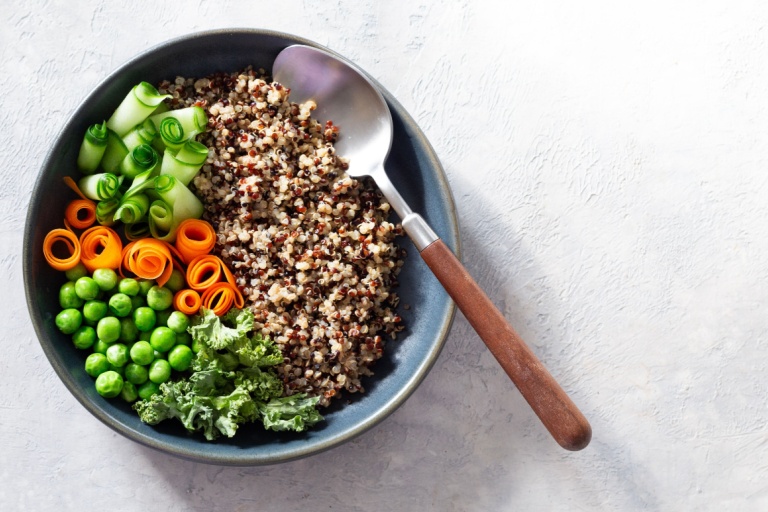
If you’ve been scrolling through social media lately, you might have come across the term fibermaxxing. At first glance, it sounds like a new fitness fad or a tech-driven wellness hack — but at its core, it’s really just a fresh spin on an age-old principle: boosting your dietary fiber intake. In the age of viral wellness trends, fibermaxxing is gaining traction among younger generations eager to optimize their gut health and overall well-being.
Let’s break down what this trend actually involves, why it’s catching on, and whether it truly delivers on its promises.
What exactly is fibermaxxing?
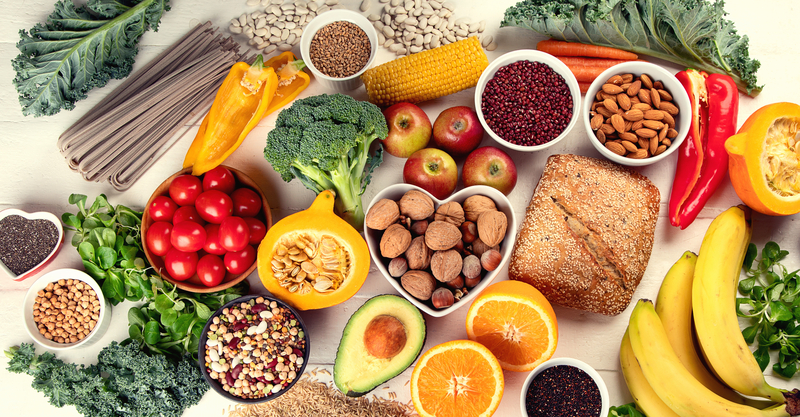
Fibermaxxing is all about maximizing fiber intake in your daily meals. It means giving center stage to high-fiber foods like whole grains, legumes, fruits, and vegetables. Compared to the more clinical-sounding “high-fiber diet,” the term fibermaxxing feels modern, catchy, and tailored for the social media age. But make no mistake — behind the rebrand lies the same science-backed idea: improve your gut environment by increasing both soluble and insoluble fiber.
Soluble fiber dissolves in water and helps slow digestion, while insoluble fiber adds bulk to stool and promotes regular bowel movements. Together, they play a crucial role in digestive health and beyond.
The real perks of a high-fiber diet
Feeling full, longer
Fiber has a unique ability to absorb water and swell in your gut, slowing digestion and making you feel satisfied for longer. Instead of reaching for refined carbs like white rice or processed bread, people are switching to meals like oatmeal with fruit and chia seeds — a fiber-packed combo that keeps hunger at bay and curbs unnecessary snacking.
A happy gut starts with fiber
Fiber is essentially fuel for your gut’s beneficial bacteria — aka probiotics. When these microbes digest fiber, they produce short-chain fatty acids that support a healthy gut lining and reduce inflammation. Many people report noticeable improvements in digestion, such as reduced bloating and smoother bowel movements, within just two weeks of eating more fiber-rich foods.
Keeping blood sugar and weight in check
Soluble fiber helps regulate the rate of carbohydrate absorption, leading to more stable blood sugar levels after meals. This helps prevent energy crashes and sugar cravings that often lead to overeating. Over time, this can support weight management and reduce your risk of metabolic conditions like type 2 diabetes and obesity.
Watch out — more isn’t always better
While fibermaxxing may sound like the ultimate health hack, diving in too fast can backfire. Suddenly loading up on fiber can lead to bloating, gas, or even digestive distress. The key is to ease into it — try adding just one more serving of vegetables or whole grains each day and give your body time to adjust.
And don’t forget about water. Fiber needs fluid to move smoothly through your system. Without it, you could end up more constipated than before. Also, a well-rounded diet should include adequate protein and healthy fats — not just fiber. Over-focusing on fiber alone could throw your nutrition off balance.
For most adults, the sweet spot is 25-30 grams of dietary fiber per day.

How to actually eat like a fibermaxxer
Want to bring fibermaxxing into your daily routine? It’s easier than it sounds.
- Breakfast: Start your day with oatmeal topped with apple slices, a spoonful of yogurt, and chia seeds.
- Lunch: Go for quinoa or brown rice alongside a hearty bean salad and steamed broccoli.
- Dinner: Try stir-fried vegetables and roasted sweet potatoes with grilled salmon or chicken breast for protein.
- Snacks: Skip the chips and bubble tea — opt for apples, carrot sticks, nuts, or air-popped popcorn instead.
By making a few smart swaps, you’ll naturally increase your fiber intake without feeling restricted.
So, is fibermaxxing a wellness trend or just another buzzword?
At the end of the day, fibermaxxing isn’t a gimmick — it’s a modern rebranding of solid nutritional science. Eating more fiber offers real, measurable benefits, from gut health to weight control to metabolic balance. But proper health doesn’t come from extreme dietary overhauls or chasing viral trends. It’s about consistency, balance, and sustainability.
Rather than obsessing over maxing out your fiber, aim to hit that 25-30 grams daily target, drink plenty of water, and keep your meals well-rounded. That’s the kind of quiet, everyday wellness that never goes out of style.
Follow us on X, Facebook, or Pinterest
