

Long before the modern world obsessed over supplements and superfoods, one of China’s greatest medical minds — Zhang Zhongjing, the revered “Sage of Medicine” — left behind a deceptively simple recipe known as Zhuque soup (朱雀) or Egg Drop soup. No exotic herbs. No complicated cooking. Just one fresh egg and a bowl of boiling water.
At first glance, it’s hard to believe that such a modest concoction could have powerful health effects. But for generations, this unassuming egg soup was treasured by elders as a nourishing tonic, known for soothing the body, calming internal imbalances, and restoring vitality — especially when the body shows signs of dryness, fatigue, and false internal heat (虚火). Today, this forgotten gem of traditional wellness is making a quiet comeback — and modern people are rediscovering its surprising power.
Why your body might be asking for Zhuque soup
Do any of these sound familiar?
- Your throat feels dry, no matter how much water you drink
- You struggle with restless sleep, tossing and turning at night
- You’re not sick, but keep clearing your throat
- After an illness, your energy feels low, and your appetite is weak
These may seem like minor issues, but in traditional Chinese medicine, they point to a deeper imbalance: your body is running low on internal fluids (yin), while internal heat (yang) keeps burning unchecked.
Zhang Zhongjing described the body like a teapot on a fire. The water inside (yin) cools and lubricates the system; the fire below (yang) powers circulation and metabolism. In youth, the balance is perfect — plenty of water, steady fire. But as we age, overwork, stress, or illness slowly burns away the water, while the fire continues to burn. This leads to empty heat (虚火) — not true inflammation, but heat caused by depletion. Symptoms include:
- Dry throat and mouth
- Hot palms and soles
- Night sweats
- Poor sleep
- Irritability
This isn’t a time for cold drinks or harsh remedies. The real solution? Gently replenish the body’s inner moisture — exactly what Zhuque soup is designed to do.
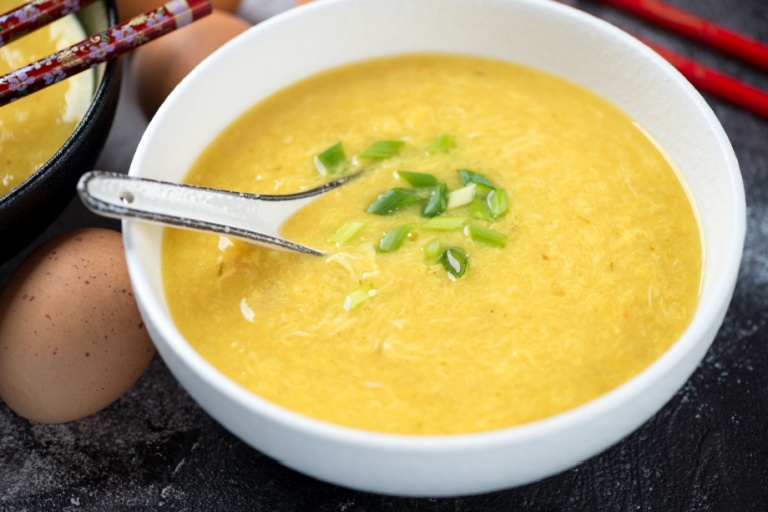
So what is Zhuque soup?
Zhuque soup is simply a fresh egg, cracked into a sturdy ceramic bowl, and whisked with boiling hot water. That’s it. But behind its simplicity lies a recipe designed with medicinal insight: Egg yolk nourishes the blood and calms the nervous system, egg white cools internal heat and soothes dryness, and boiling water gently cooks the egg and aids absorption. The result? A silky, warming egg flower soup that soothes from the inside out. Think of it as a daily internal moisturizer, gradually restoring balance where modern life has worn you down.
5 powerful benefits of Zhuque soup
- Soothes false heat and dryness: Drinking it first thing in the morning delivers gentle yin nourishment, like rain falling on parched land. Many people report reduced throat dryness, a calmer mood, and deeper, better sleep.
- Calms and cushions the stomach: If you experience bloating, acid reflux, or morning nausea, this soup acts as a gentle buffer for the stomach lining. It also helps prepare the body for medications taken on an empty stomach.
- Moisturizes the lungs and throat: For those who speak a lot, suffer dry coughs, or feel scratchy in cooler months, this soup lubricates the lungs from within. Add a few drops of sesame oil for extra throat relief.
- Nourishes the brain and calms the mind: Eggs contain lecithin and choline, key nutrients for brain health. Over time, this can support mental clarity and emotional balance, and may improve sleep quality for those who struggle with restlessness.
- Rebuilds strength after illness: The high heat used in preparation helps pre-digest the egg protein, making it easier to absorb. It’s perfect for those recovering from illness or anyone feeling fatigued and depleted.
How to make it right: The 6 secrets to effective Zhuque soup
For Zhuque soup to work, technique matters. Here’s how to do it right:
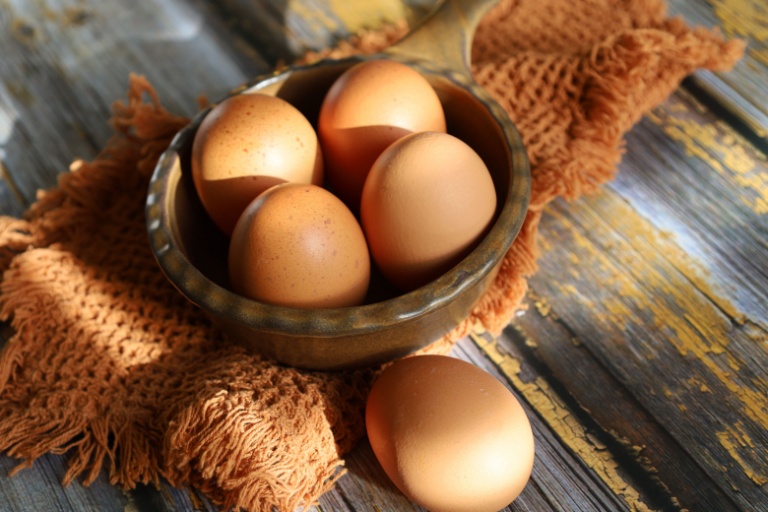
- Use a fresh, clean egg: Since the egg won’t be fully boiled, freshness and cleanliness are critical. Wash the shell gently before cracking to avoid introducing surface bacteria.
- Use a thick ceramic bowl or mug: Avoid glass, plastic, or metal. Ceramic retains heat better, allowing the egg to cook evenly.
- Water must be 100°C (boiling): Don’t use lukewarm water or water from a dispenser. It must be freshly boiled on a stove or kettle for safety and proper cooking.
- Pour slowly, stir quickly: Beat the egg lightly (no foam). Pour boiling water slowly like a thin stream, while stirring quickly in one direction. This ensures delicate, uniform egg flowers.
- Cover and let it sit 2–3 minutes: This final step uses residual heat to finish cooking the egg, improving safety and flavor. The result: golden, silky egg ribbons in a clear broth with no raw smell.
- Keep the seasoning gentle: Zhuque soup is meant to be soothing, not spicy. After the soup rests, you have the option of adding a few drops of sesame oil (to moisten the lungs and intestines), a pinch of salt, white sugar, or chopped green onions/scallions (for taste and body needs), 1–2 soaked goji berries (for the eyes and liver), or a sprinkle of black sesame powder (supports kidney health).
However, avoid adding pepper, MSG, or strong flavors — the focus is on gentle nourishment, not stimulation.
Who should be cautious?
While Zhuque soup is generally safe for most people, avoid it if you have a known egg allergy, are on a low-cholesterol diet, or have an active fever or damp-heat condition. Always listen to your body and consult your healthcare provider if unsure.
Final thoughts: A quiet revolution in your daily wellness
Zhuque soup isn’t a miracle cure — but it is a wise, time-tested ritual. It reflects the heart of traditional Chinese health philosophy: prevent before treating, nourish before depleting. In a world obsessed with fast fixes and synthetic solutions, perhaps the greatest health secret is also the simplest — a warm bowl of egg flower soup, taken with intention. Try it for just one week, and you might be surprised how something so basic can make your body feel so much better.
Follow us on X, Facebook, or Pinterest
