
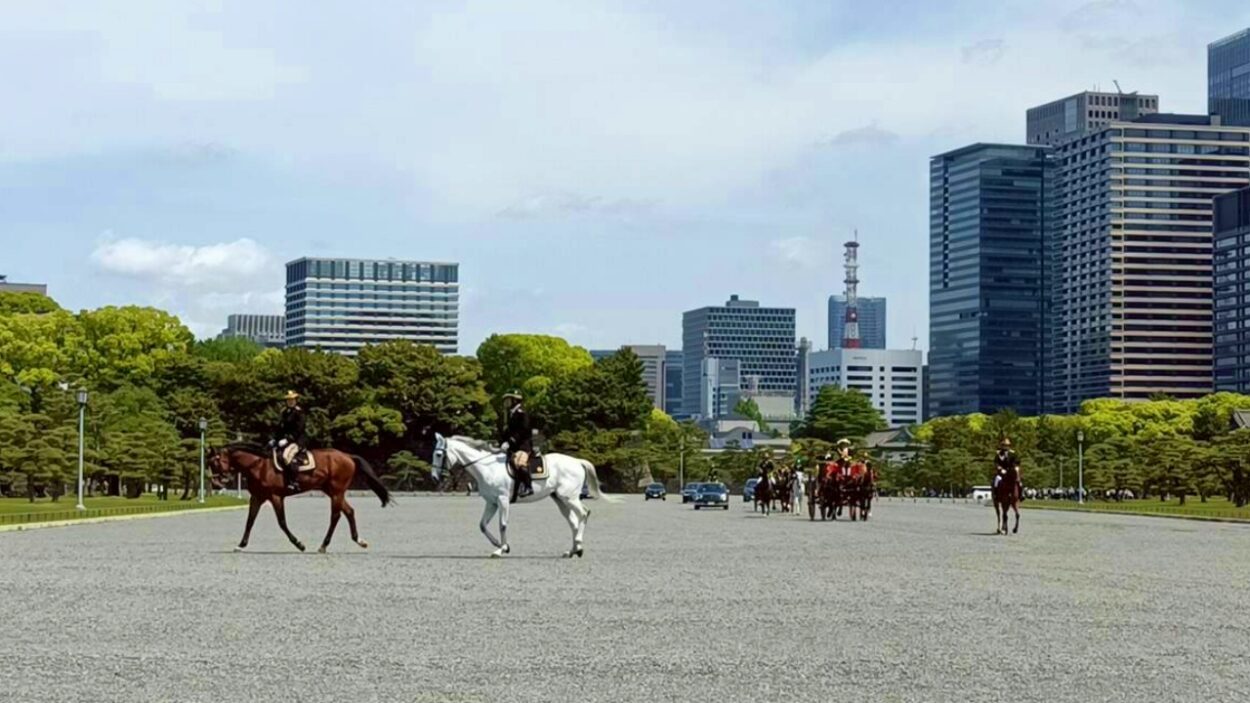
When a newly appointed foreign ambassador arrives in Tokyo to present their credentials to the Emperor of Japan, they are offered a special choice for their journey to the Imperial Palace: a modern limousine or a traditional horse-drawn carriage. Most ambassadors choose the horse-drawn carriage. Organized by the Imperial Household Agency, this elegant procession transforms the modern streets of Marunouchi into a scene from another era, blending royal tradition with modern diplomacy.
Origins of the traditional horse-drawn carriage
The use of horse-drawn carriages for major state ceremonies began during the Meiji Era (1868-1912), when Japan was rapidly modernizing and building diplomatic ties with Western countries. To welcome foreign guests in an international style, the Imperial Court adopted many European court customs, including the use of ceremonial carriages imported from Europe or built in Japan by skilled craftsmen.
The tradition of escorting newly appointed ambassadors to the Imperial Palace by carriage during the Ceremony of the Presentation of Credentials gradually became an important part of Japan’s diplomatic culture. Even after automobiles became widely used in the 20th century, the Imperial Court decided to preserve this historic custom. Today, Japan remains one of the few countries where horse-drawn carriages are still regularly used for official diplomatic ceremonies.
The horse-drawn carriage procession through Tokyo
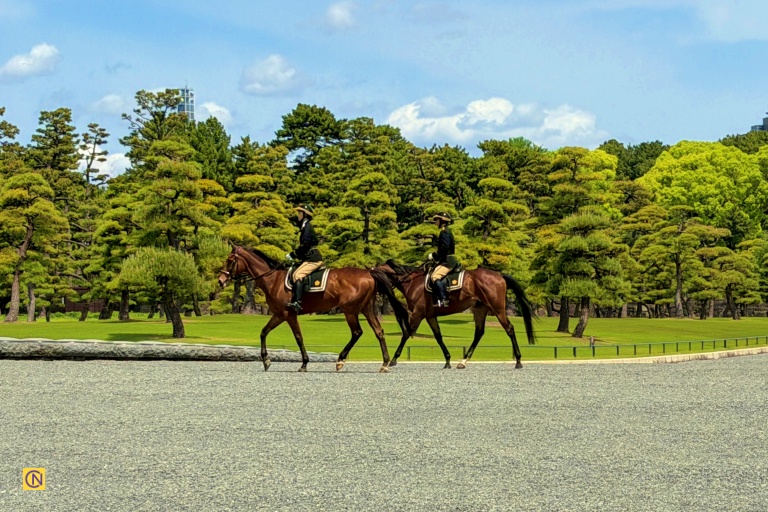
The procession is a carefully organized display of elegance and tradition. Members of the Imperial Guard and Tokyo Metropolitan Police ride on horseback at the front, clearing the route and leading the way at a calm and dignified pace.
At the center of the procession is the beautifully decorated ceremonial carriage pulled by two horses. Inside, ride the newly appointed ambassador and a senior official from the Imperial Household Agency. Additional carriages or official vehicles follow behind, carrying embassy staff and government officials, while another mounted guard rides at the rear.
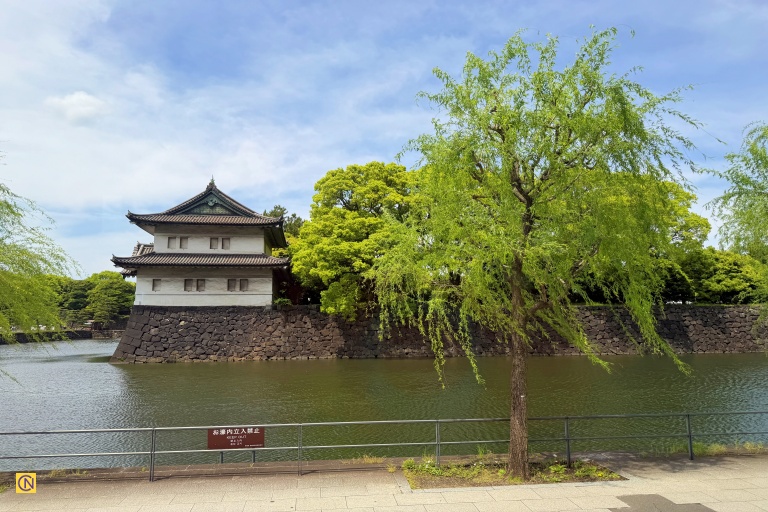
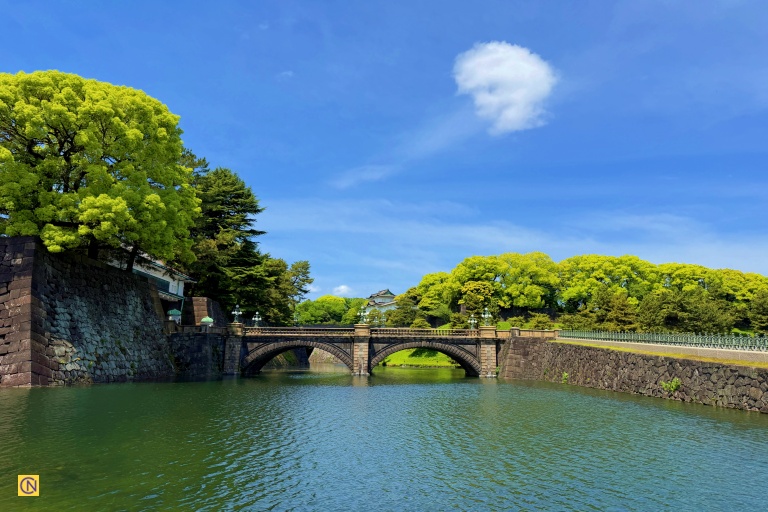
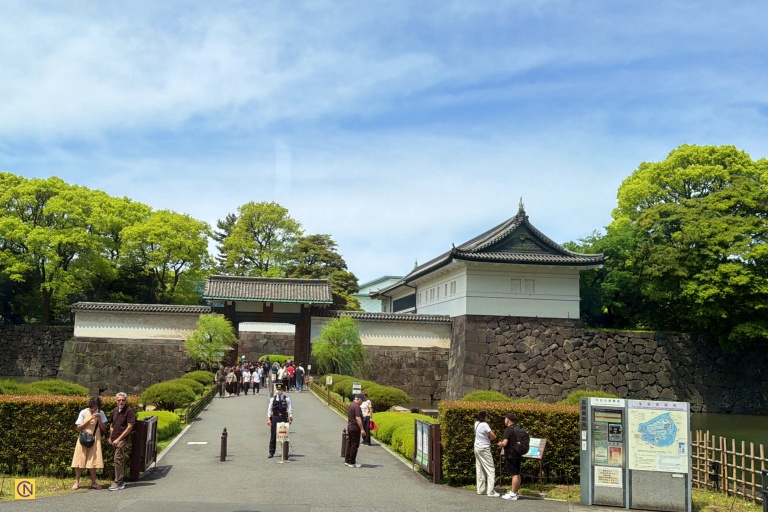
The journey usually begins at Tokyo Station’s historic Marunouchi entrance and continues to the Main Gate of the Imperial Palace. Moving slowly through central Tokyo, the procession allows people along the streets to witness a rare and impressive sight that connects modern Japan with its imperial past.
Craftsmanship and ceremony
One of the most remarkable features of the procession is the great care taken to preserve its historical beauty and authenticity. The ceremonial carriages are built in the style of the late 19th and early 20th centuries, featuring dark lacquer finishes, golden Imperial Chrysanthemum emblems, and elegant silk interiors.
The drivers and attendants wear classic European-style court uniforms inspired by earlier centuries. Their formal attire includes feathered hats, gold-trimmed coats, breeches, and polished leather boots, adding to the event’s royal atmosphere.
The horses themselves are also an important part of the ceremony. Raised and trained at the Imperial Pasture in Tochigi Prefecture, they are carefully selected for their calm temperament, graceful movement, and ability to remain steady amid busy city traffic and large crowds.
A living symbol of hospitality
More than simply a tourist attraction, the horse-drawn carriage procession represents one of the highest forms of hospitality Japan extends to foreign ambassadors. By preserving this elegant tradition, the Imperial Palace transforms a formal diplomatic event into a memorable cultural experience.
The ceremony also demonstrates how Japan continues to honor its historical traditions while engaging with the modern world. In the heart of one of the world’s most advanced cities, the sound of horses’ hooves and the sight of royal carriages still serve as a powerful symbol of respect, dignity, and international friendship.
