

The older generation often says that the rise and fall of a family is not determined by the direction of the house or by how many lucky ornaments are placed inside, but by the tone of the people who live there. Over time, I have come to believe that this saying contains profound wisdom. A home is shaped not only by its walls and possessions but also by the invisible elements that fill it each day—words spoken, emotions expressed, and the way family members treat one another. Among all these influences, the role of parents is especially important. A parent’s mindset and attitude can quietly shape the atmosphere of an entire household. While these influences may seem subtle in the moment, over time they gradually establish the emotional foundation of the family.
Emotions possess an invisible power within the household
Complaints are contagious. In fact, in psychology, there is a concept known as emotional contagion, which describes how one person’s emotional state can unconsciously influence those around them. The closer the relationship, the stronger this effect becomes, and nowhere does this transfer happen more easily than at home. For example, imagine a family where the father comes home from work each day saying, “I’m exhausted, and my colleagues keep avoiding responsibility,” while the mother frequently says, “We overspent again this month, so you need to save more.” These words may seem like ordinary moments of frustration, but when repeated day after day, they gradually pollute the emotional atmosphere of the entire household.
Children are especially sensitive to this atmosphere. Long before they understand the details of adult problems, they absorb the underlying emotions. They learn not only from what parents teach them directly but also from how those parents respond to stress, disappointment, and conflict. When children repeatedly hear blame, frustration, and resentment, they may unconsciously learn to approach life in the same negative way—focusing first on what is wrong, searching for someone to blame, or viewing difficulties as permanent obstacles rather than opportunities for growth.
By contrast, when parents face challenges with calm communication and thoughtful problem-solving, children learn something far more valuable than any verbal lesson. They learn resilience, discovering that problems are a natural part of life that can be met with patience, cooperation, and wisdom. This kind of influence is subtle, but it leaves the deepest impression. A child may forget many explicit instructions given by their parents, but they rarely forget the emotional environment in which they grew up.
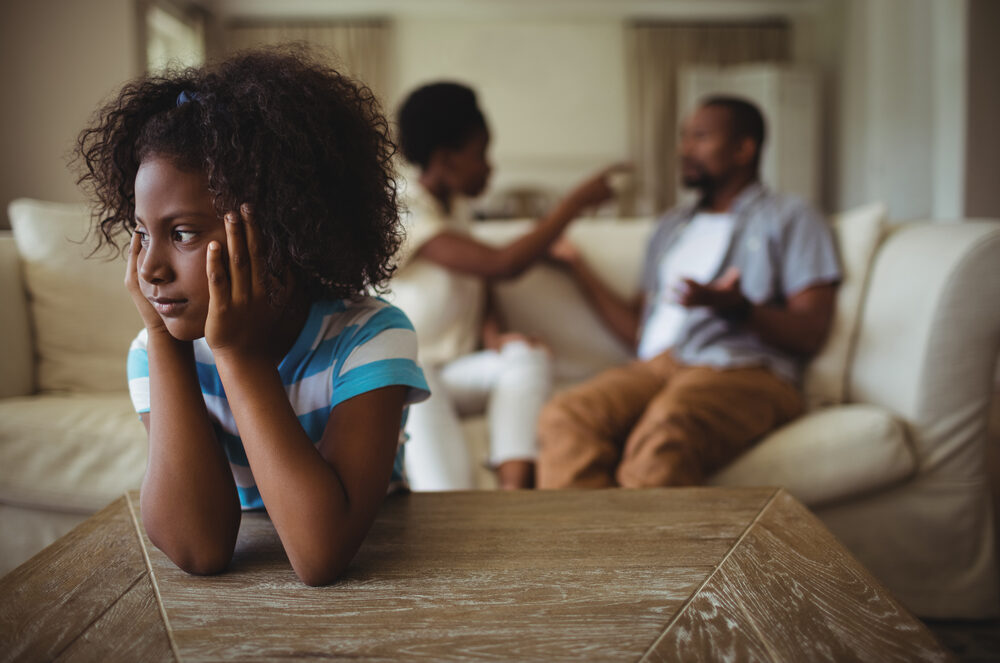
Habitual complaining quietly drains warmth from relationships
Many people view complaining as a harmless way to release stress, believing that expressing frustration helps them feel lighter. While sharing difficulties with someone we trust can be healthy, habitual complaining often has the opposite effect by keeping attention fixed on the problem without moving toward a solution. In a family, repeated complaints can slowly erode warmth and trust. Between spouses, phrases such as “You never help,” or “You don’t understand how hard this is for me,” may appear to express pain, but they are often received as direct accusations. Instead of opening the door to understanding, they cause the partner to become defensive and respond with their own grievances. Over time, conversations become less about solving problems and more about proving who is right, turning a small frustration into a toxic cycle of criticism, resentment, and emotional distance.
A peaceful family is not one without difficulties; every household faces stress, disagreements, and moments of exhaustion. The difference lies in whether family members use those moments to spread frustration or to practice understanding, responsibility, and compassion. I once knew a couple who had been married for more than ten years; both were hardworking, responsible people, and they were doing reasonably well financially. Yet despite having a stable life, the atmosphere in their home was often tense. The reason was not a lack of love or material security, but rather the way frustration was expressed.
The wife frequently voiced dissatisfaction about many aspects of life — the relationship with her in-laws, her husband’s income, and concerns about the children’s education. These concerns were real, but when they were repeatedly expressed as criticism and complaint, they gradually became a heavy emotional burden on the entire family. Over time, the husband became less eager to return home, knowing he would encounter negativity, and the children became quieter and less willing to share their thoughts. Although the family had everything they needed materially, the emotional warmth within the home slowly faded. This illustrates an important truth: a family’s atmosphere is shaped not only by what people have but by how people treat one another every day.
Parents must choose better ways to express themselves
Not complaining does not mean parents must suppress all their emotions, ignore their difficulties, or pretend everything is perfect. A healthy family should allow everyone to express genuine feelings, concerns, and needs, but the difference lies in how those feelings are communicated. The same underlying concern can create either connection or conflict depending entirely on the words chosen.
For example, instead of saying, “You’re always home so late because you don’t care about the family,” one could say, “You’ve been coming home late these days, and the children and I miss spending time with you. Could we talk about your schedule so we can plan more family time together?” The first statement places blame and invites defensiveness, whereas the second expresses a need while leaving room for understanding and cooperation. When parents learn to communicate in this healthier way, they not only reduce conflict between themselves but also teach their children an important life lesson: emotions are not problems to be avoided, but signals that can be expressed with wisdom and kindness.
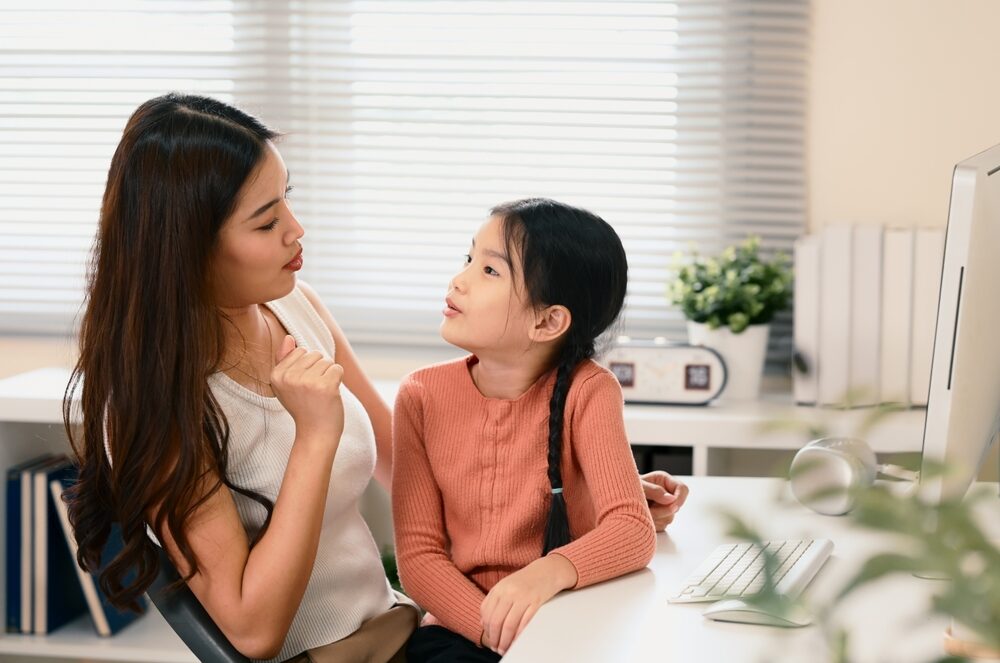
The true feng shui of a family originates from within
In traditional thought, good feng shui is often associated with the physical arrangement of a home and its surroundings. Yet the deepest “feng shui” of a family does not come from furniture placement, decorations, or external circumstances; it is created through the energy people bring into the home each day through their words, attitudes, and actions. Parents who practice gratitude, complain less, and respond to difficulties with patience and understanding naturally create a more peaceful and harmonious environment. That atmosphere becomes a permanent source of strength for everyone in the family.
Children raised in such an environment learn more than just knowledge and skills; they absorb a constructive approach to life. When difficulties arise, they are more likely to think calmly, seek solutions, and take responsibility rather than blame others or surrender to negativity. These children carry that stable emotional foundation into their own relationships and families in the future. If we want to cultivate true good fortune for our families, the most important place to begin is not with external arrangements but with ourselves. Speak with more gratitude, replace accusations with understanding, and choose patience over frustration. Ultimately, the mindset of parents is the deepest and most enduring feng shui of a home.
Translated by Cecilia and reviewed by Tatiana Denning
Follow us on X, Facebook, or Pinterest
