
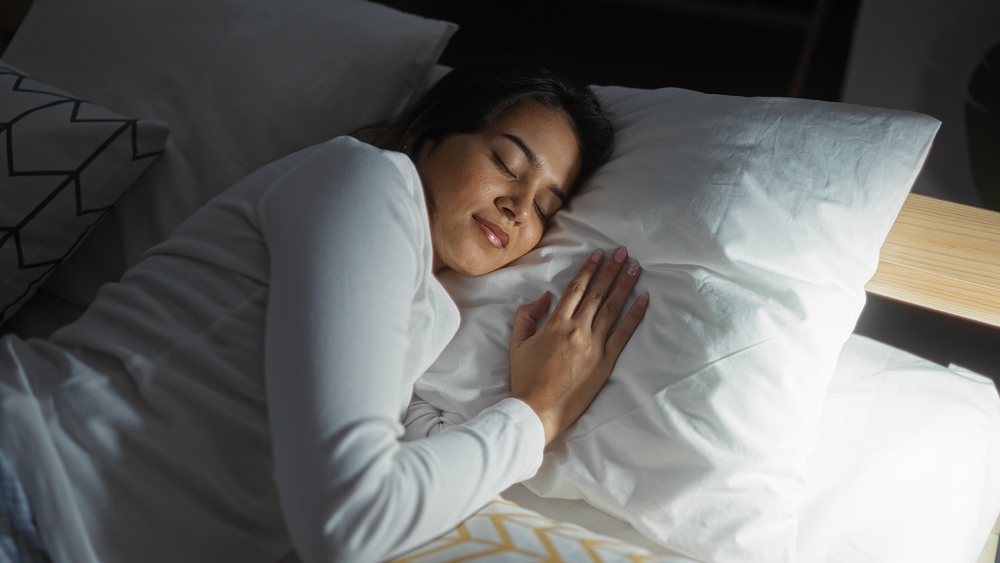
You know the feeling. The house is quiet, the lights are off, your body is tired, and yet your mind keeps circling like a bird that won’t land. You watch the clock tick past midnight, then 1 a.m., and the harder you try to sleep, the further it slips away.
If that sounds familiar, you are far from alone. Restless nights have become one of the most common complaints of modern life. But long before sleep was measured in trackers and studied in labs, traditional Chinese medicine (TCM) had already mapped the rhythms of rest with remarkable care.
In the Chinese view, sleep is not simply a matter of switching off. It is a daily homecoming, a time when the body’s energy turns inward to repair, cleanse, and restore. When that homecoming is honored, deep rest follows naturally. When it is disrupted, no amount of effort forces it.
This guide brings together the wisdom of Chinese medicine for better sleep with what modern research now confirms. You will learn why your bedtime matters more than you think, what your body is doing at 3 a.m., which foods quiet a busy mind, and 10 gentle habits you can begin tonight to reclaim quality sleep.
Why you toss and turn: Sleep through the eyes of Chinese medicine
In traditional Chinese medicine, sleep is governed by the balance of yin and yang. Daytime is yang: active, warm, outward-moving. Night is yin: cool, still, and restorative. Healthy sleep happens when the busy yang energy of the day softens and settles into the quiet embrace of yin.
In this framework, insomnia is yang that refuses to be anchored. The mind stays lit when it should dim. TCM often describes this as a disturbance of the Shen (神), the spirit or consciousness that, according to tradition, resides in the heart. When the Shen is calm and well-rooted, sleep arrives easily. When it is agitated by stress, overthinking, or depletion, rest scatters.
This is why two people can do everything “right” and still sleep differently. Chinese medicine looks past the surface symptom to ask what is keeping the spirit unsettled. Often it is a pattern traditionally called yin deficiency, a kind of depletion that leaves the body tired yet wired, restless, and overheated at night. An old saying among Chinese physicians captures it simply: a settled heart sleeps; a troubled heart watches the night.
The encouraging part is that these patterns respond to small, consistent changes, the same changes you will find in this guide. You do not need to force sleep. You need to create the conditions in which yin can rise and the spirit can rest.
The Chinese body clock: Your organs’ nightly schedule
One of the most fascinating ideas in Chinese medicine is the body clock, sometimes called the organ clock. According to TCM, qi (气), the body’s vital energy, flows through the meridians in a predictable 24-hour cycle, peaking in a different organ system every two hours. Each window is a quiet appointment your body keeps with itself.
The evening and overnight hours are the heart of nightly repair:
| Time | Organ (in TCM) | What is traditionally happening |
|---|---|---|
| 9–11 p.m. | Triple Burner (San Jiao) | The body winds down; hormones and energy begin to settle |
| 11 p.m.–1 a.m. | Gallbladder | Deep repair begins; vitality and clear judgment are restored |
| 1–3 a.m. | Liver | Blood is cleansed and renewed; emotions are processed |
| 3–5 a.m. | Lungs | The deepest rest, as the body draws in fresh qi |
Seen this way, the night is not empty time. It is a carefully sequenced cycle of healing, and each stage depends on the one before it.

Why do you wake up at 3 a.m?
If you find yourself snapping awake around the same hour night after night, Chinese medicine sees a clue rather than a coincidence. Waking between 1 and 3 a.m. points to the liver window, the time the body devotes to cleansing the blood and digesting the day’s emotions. In TCM, frequent waking in these hours is traditionally linked to stress, frustration, or a liver working harder than it should.
It is a gentle reminder that the body keeps its own schedule, whether or not we keep ours.
The golden hours: Why two hours before midnight are worth 10 after
There is a proverb passed down among Chinese medicine practitioners: two hours of sleep before midnight are worth ten after. For centuries, it was offered as wisdom, a nudge to be asleep before the gallbladder and liver windows open at 11 p.m.
Modern science has quietly arrived at a strikingly similar place. A large 2021 study published in the journal European Heart Journal – Digital Health, drawing on data from around 88,000 adults, found that falling asleep between 10 and 11 p.m. was linked to the lowest risk of heart disease. Compared with that ideal window:
- Midnight or later: Carried a 25% higher risk of cardiovascular disease.
- 11 p.m. to midnight: Carried a 12% higher risk.
- Before 10 p.m.: Carried a 24% higher risk.
The link was notably stronger in women.
The researchers were careful to note that this kind of study shows association, not proof of cause. Yet the message rhymes with what Chinese medicine has taught all along: the body has a clock, and going to bed in harmony with it appears to matter. As the sleep researchers behind the study suggested, early or late bedtimes may be more likely to disrupt the body’s internal rhythm.
The practical takeaway is humble and ancient: aim to be asleep by around 11 p.m., ideally winding down by 10:30. Few habits in this entire guide will do more for your rest, or your health.
10 Time-Tested Habits for Quality Sleep at Night
Here are 10 gentle, practical habits that blend the wisdom of Chinese medicine with everyday common sense. None of them requires special equipment or expense, only consistency.
- Calm the mind before you calm the body: Because sleep begins with a settled Shen, spend a few minutes on slow breathing, gentle stretching, or quiet gratitude. You are not just preparing your body for sleep; you are inviting your spirit to come home.
- Go to sleep before 11 p.m: Aim to be in bed by 10:30 so you are resting when the gallbladder and liver windows open. This single habit aligns your night with both the TCM body clock and the heart-healthy bedtime modern research points to.
- Keep a steady rhythm: Go to bed and wake at roughly the same times, even on weekends. TCM prizes regularity, and circadian science agrees: a consistent rhythm trains the body to release its sleep signals on cue.
- Wind down from 9 to 11 p.m: Treat the late evening as a doorway, not a deadline. Dim the lights, put screens away, and let the bright yang energy of the day soften. The blue glow of a phone tells your brain it is still daytime.
- Try a warm foot soak: A beloved Chinese bedtime ritual is to soak the feet in comfortably hot water for 10 to 15 minutes before bed. Tradition holds that it draws energy downward, away from a racing head, and many people simply find it deeply calming.
- Stop eating about three hours before bed: A heavy, late meal asks your digestion to work when it should be resting. Give the stomach time to settle so the body can turn its attention to repair rather than digestion.
- Skip the nightcap and the evening coffee: Alcohol may make you drowsy, but it fragments sleep later in the night. In TCM, coffee, strong tea, and alcohol are seen as warming and stimulating, the opposite of the cool stillness sleep requires.
- Eat foods that nourish rest: Certain traditional foods are believed to nourish the blood and calm the spirit. We will look at them in detail below, but think red dates, longan, and lily bulbs rather than chips and sweets.
- Sleep in a cool, dark, quiet room, with your head uncovered: Old Chinese guidance to keep the head uncovered while sleeping aligns neatly with modern advice: a cool, well-ventilated, dark room helps the body lower its temperature and drift into deeper sleep.
- Choose a pillow and bed that truly support you: Comfort is not a luxury here. A pillow that keeps your neck in gentle alignment and a supportive mattress let the body relax fully rather than bracing through the night.

(Image: via Pixabay)
Eat and drink for rest: Chinese sleep foods and calming teas
Food is medicine in the Chinese tradition, and the evening table is no exception. Like many traditional Chinese health practices, it works gently and over time. Many classic sleep foods are thought to nourish the blood and yin, gently grounding an overactive mind.
Among the most cherished are red dates (jujube), longan fruit, lotus seeds, and lily bulbs, often simmered together into a warm, soothing congee. These same ingredients appear again and again in traditional remedies for calm and balance, and lily bulbs, in particular, have a long history as a gentle remedy for restlessness and for a quiet mind.
For a warm drink, a calming cup of chrysanthemum tea is a time-honored choice, prized in TCM for cooling excess heat and settling the spirit. If you prefer something Western, warm milk has its own quiet logic: it contains tryptophan, a building block the body uses to make the sleep-related messenger serotonin.
When restlessness runs deeper, Chinese herbal medicine turns to suan zao ren (酸枣仁), the sour jujube seed, one of its most treasured remedies for poor sleep. It anchors the classical formula Suan Zao Ren Tang, a centuries-old blend documented even by Memorial Sloan Kettering Cancer Center for its traditional use in calming the mind.
A practical note: herbal formulas are powerful and personal. In traditional Chinese medicine, they are prescribed to match your specific pattern, so consult a qualified TCM practitioner or your doctor before trying them, especially if you take medication or have a health condition.
And just as some foods invite sleep, others chase it away. In the evening, traditional guidance is to avoid strong tea, coffee, alcohol, and spicy or greasy dishes. All of these are believed to generate heat and disturb the spirit when the body is trying to cool and quiet down.
Calming the shen: An evening wind-down ritual
If you take only one idea from this guide, let it be this: rest is something you prepare for, not something you switch on. A simple, repeatable evening ritual signals to body and spirit alike that the day is complete.
Begin about an hour before bed. Lower the lights and silence notifications, letting the room itself grow quieter. This is the gentlest way to coax yang energy to retreat, and it mirrors the modern advice you will find from the Sleep Foundation to dim screens and cool the bedroom before sleep.
Then add something that grounds you. A warm foot soak, a few minutes of slow belly breathing, gentle stretching, or a page of a calm book all work. The aim is not productivity but release, loosening the grip of the day so the mind can finally rest.
Movement during the day supports the night, too. Regular exercise deepens sleep, though it is worth knowing the best time of day to exercise so you don’t energize your body right before bed. Daylight and gentle activity in the morning, stillness in the evening: this is the daily arc of yin and yang that Chinese medicine has always described.
Above all, be patient with yourself. Sleep, like the tide, cannot be hurried. It returns when the conditions are right, and these small, no-cost wellness habits are how you make the conditions right, one quiet night at a time.

A gentle reminder before you rest
Most restless nights respond well to the timing, balance, and ritual we have explored here. Still, ongoing insomnia can sometimes signal an underlying health issue. If poor sleep persists for weeks despite your best efforts, it is worth speaking with a doctor or a qualified practitioner who can look at the fuller picture.
Conclusion: Coming home to rest
Quality sleep at night is not a stroke of luck. In the wisdom of Chinese medicine, it is the natural result of living in rhythm with your body. When you honor the early hours, keep a steady pattern, calm the Shen, and nourish yourself with grounding foods, deep rest stops being a struggle and becomes a homecoming.
The heart of it all is gentle and worth remembering: Be asleep by around 11 p.m., let your evenings wind down, listen to what your 3 a.m. waking is telling you, and treat the hour before bed as sacred. Ancient physicians understood these rhythms long before science gave them names, and modern research is only now catching up.
You do not have to overhaul your life tonight. Choose one habit: the foot soak, the earlier bedtime, the cup of chrysanthemum tea, and let it take root. Rest is always waiting to return to you. Sometimes we simply need to open the door.
Follow us on X, Facebook, or Pinterest
