

You feel tired in a way that sleep never quite fixes. Your digestion is unsettled, your mind fogs over by mid-afternoon, and you wake at 3 a.m. for no reason you can name. So you visit your doctor, who runs the tests. The bloodwork comes back clean. The scans show nothing. “Everything looks normal,” you’re told, and yet you know, in your body, that something is not right. Moments like these sit at the very heart of the difference between Chinese and Western medicine.
Handed the same tired, restless body, two of the world’s great healing traditions will see two entirely different things. One searches for a disease to name and remove. The other reads a pattern of imbalance and asks how to restore harmony. Neither is wrong. Each grew from a different way of understanding what a human being is. Learning how they differ, and where each one truly shines, can quietly reshape how you care for your own health. And the most heartening discovery of all is this: You were never really required to choose between them.
What is the main difference between Chinese and Western medicine?
The main difference between Chinese and Western medicine lies in their focus. Western medicine treats disease as a specific entity to be identified and removed, targeting the symptom and the affected organ. Traditional Chinese medicine (TCM) treats the whole person, viewing illness as an imbalance across the body’s interconnected systems and aiming to restore its natural harmony. Everything else — the diagnosis, the remedies, the very language each tradition speaks — flows from that single difference in focus. Here is how the two compare at a glance:
| Dimension | Traditional Chinese Medicine | Western Medicine |
|---|---|---|
| Worldview | Health as dynamic balance; the body as a small universe | Health as the absence of disease; the body as a biological machine |
| View of the body | An interconnected whole (qi, organs, meridians) | Distinct systems, organs, and molecules |
| Diagnosis | Pattern differentiation (pulse, tongue, careful observation) | Laboratory tests, imaging, physical examination |
| Treatment goal | Restore balance, address the root, prevent illness | Remove symptoms, target the disease |
| Greatest strength | Chronic, complex, and “sub-health” conditions | Acute, emergency, surgical, and infectious disease |
Keep this table in mind as we explore each tradition more deeply. The contrast is not a contest. It is two different lenses trained on the same precious thing: a living human being.
A tale of two philosophies
To understand the difference between Chinese and Western medicine, you have to go back to what each one believes the body is.
Western medicine is the child of empirical science. Its guiding instinct is “seeing is believing.” A treatment earns its place through anatomical proof, controlled trials, and measurable results. When something goes wrong, the Western doctor looks for the malfunctioning part, the infection, the tumor, the blocked artery, and works to correct it directly. This approach has given humanity some of its greatest medical triumphs, from antibiotics to open-heart surgery.
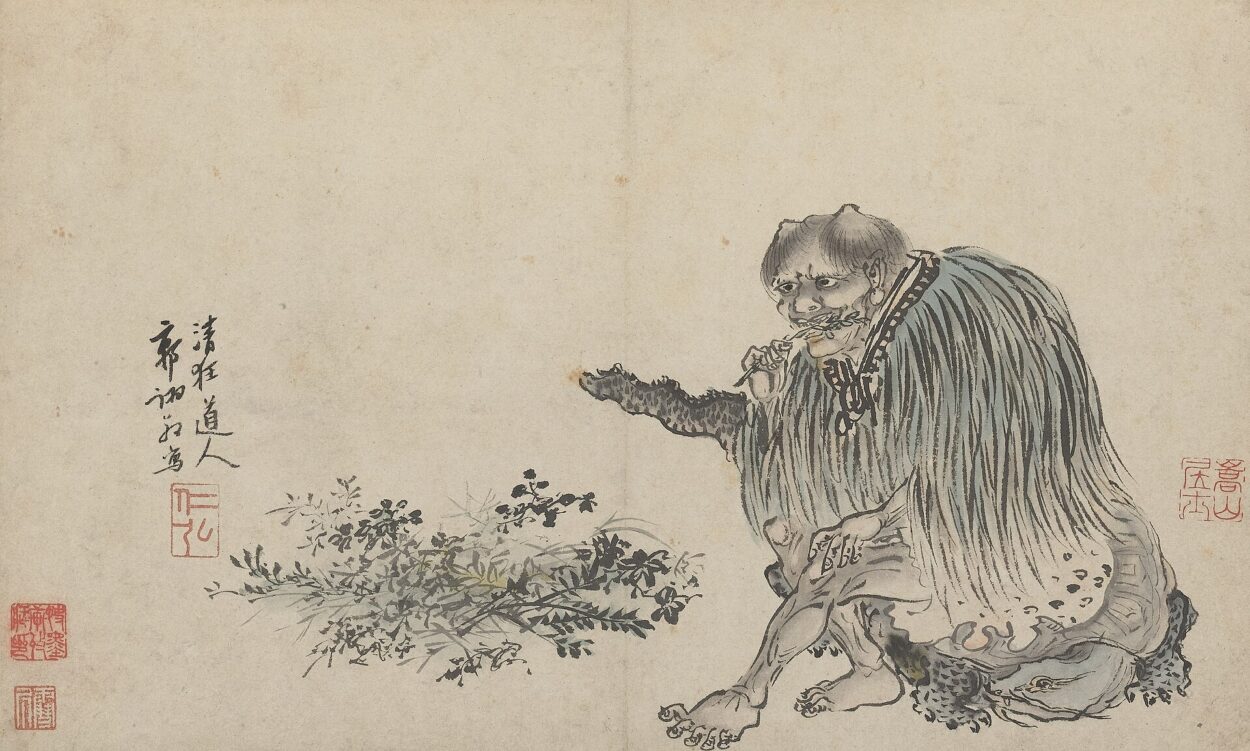
Traditional Chinese medicine grew from a wholly different soil: the Daoist idea of the “unity of human and nature.” In this view, the human body is a small universe that echoes the rhythms of the larger one. It moves with the turning seasons, the interplay of light and shadow, and the flow of energy through all living things. Health is not merely the absence of disease. It is a state of dynamic balance, and illness occurs when that balance is disturbed. This wisdom was refined over more than 2,000 years of patient observation, and it remains one of the deeper roots of Chinese culture, still very much alive today.
Picture a Western doctor and a TCM practitioner standing before the same weary, sleepless patient. One begins searching for a disease to name. The other begins reading a pattern of disharmony. They are not disagreeing. They are speaking two different languages about the very same person.
How traditional Chinese medicine sees the body
If Western medicine reads the body like a machine of separate parts, traditional Chinese medicine reads it like a garden, a living system in which everything is connected, and where tending the soil matters as much as trimming a single leaf.
Qi, yin and yang: The language of balance
At the center of TCM lies qi, the vital energy believed to flow through every living thing. When qi moves freely and abundantly, the body thrives. When it grows weak, stuck, or unbalanced, illness follows. Qi expresses itself through yin and yang, the two complementary forces whose interplay animates all of nature. Yin is the quiet, cooling, nourishing aspect; yang is the active, warming, transforming one. Health is their harmony; disease is their discord.
You can picture the body as an oil lamp. The oil is your deep reserves of vitality, what TCM calls kidney essence. The flame is your daily energy and clarity of mind. When you are young, the lamp is full, and the flame burns bright and steady. As the years pass, or as we drain ourselves through worry and overwork, the oil runs low and the flame flickers. TCM’s aim is not simply to brighten the flame for a moment, but to replenish the oil that feeds it.
The five elements and the organ networks
TCM also maps the body through the five elements (五行, wǔxíng): wood, fire, earth, metal, and water, each linked to an organ network and to one another in an elegant web of checks and balances. The liver, heart, spleen, lungs, and kidneys are not seen as isolated pieces of anatomy but as an orchestra whose members must play in tune. This is why a TCM practitioner treating your insomnia might ask about your digestion, your emotions, and your energy at different times of day. In this tradition, a symptom in one place is often a message from somewhere else entirely.
Meridians: The body’s invisible network
Connecting it all are the meridians, the channels through which qi is believed to travel. Acupuncture, one of TCM’s most recognizable therapies, works by stimulating specific points along these meridians to coax stagnant qi back into motion. Where Western medicine fights an illness at the front line with a scalpel or a drug, traditional Chinese medicine often works, as the old teachers put it, with an invisible hand, adjusting the whole so the part can heal.
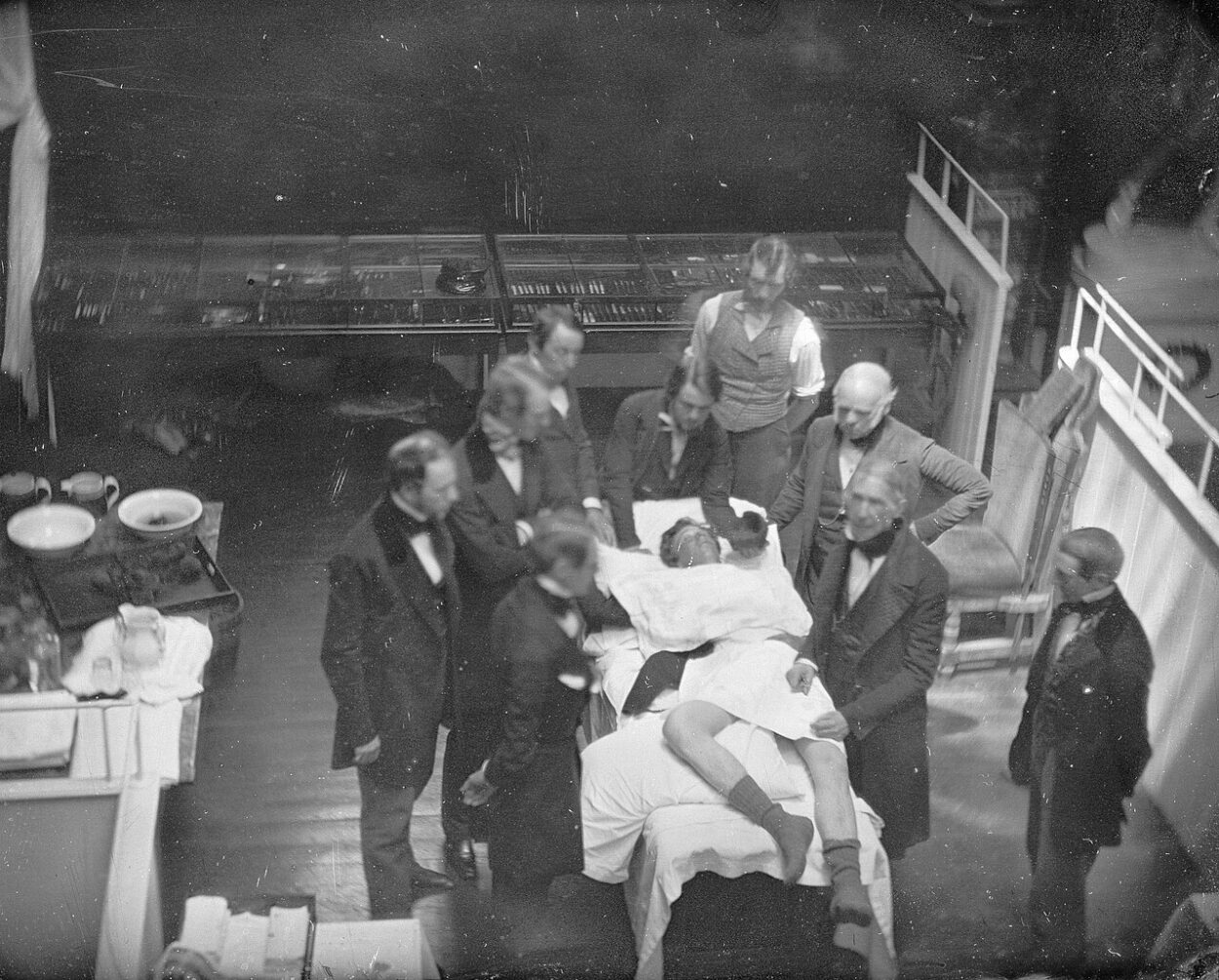
How Western medicine sees the body
Western medicine, also known as biomedicine or allopathic medicine, relies on scientific methods, diagnostic testing, and evidence-based treatments. It focuses on identifying the specific biological causes of diseases — such as pathogens or cellular abnormalities — and treating them with pharmaceuticals, surgery, or targeted therapies to eliminate illness and manage symptoms
Western medicine looks at that same body and sees something remarkably precise: a system of anatomy and biochemistry that can be measured, mapped, and repaired. Its power lies in specificity. A modern physician can identify a single bacterium, pinpoint a tumor to the millimeter, sequence a gene, or design a drug that targets one molecule among billions. According to the Cleveland Clinic, this evidence-based approach, grounded in laboratory science and clinical trials, is what allows Western medicine to intervene so decisively when time and precision matter most.
And when do they matter most? In a heart attack. A broken bone. A raging infection. A burst appendix at midnight. These are the moments when Western medicine is nothing short of miraculous, saving lives that no other system could reach in time. Its diagnostic tools- the blood panel, the MRI, the biopsy- can reveal in minutes what once took a lifetime of study to guess at. The trade-off is that this same precision can narrow the field of view. When the focus falls tightly on the target organ or the measurable symptom, the wider landscape of the person, their sleep, their stress, their subtle sense that something is off, can slip out of frame.
Diagnosis: Pattern differentiation vs. laboratory tests
Nowhere is the difference between Chinese and Western medicine clearer than in the moment of diagnosis.
Reading the pulse and the tongue
A TCM practitioner diagnoses using pattern differentiation, recognizing a whole pattern of disharmony rather than isolating a single disease. They may take your pulse at several positions on each wrist, examine the color and coating of your tongue, listen to your voice, and ask about your appetite, sleep, and emotions. This is why two people who both walk in with anxiety may leave with two entirely different diagnoses and treatments. One person’s anxiety might be read as a pattern of “deficient yin”; another’s as “stagnant qi.” The label on the door matters less than the unique landscape of the person standing before you. It is medicine tailored to the individual, drawn from centuries of traditional Chinese health practices.
Naming the disease
Western diagnosis moves in the opposite direction: from the individual toward a shared, named condition. The physician gathers objective data- blood work, imaging, physical examination- to detect a specific disease that behaves in predictable, well-documented ways. Once the disease is named, a standard, evidence-tested treatment can follow. Both methods have real strengths. Pattern differentiation honors what makes each patient unique; disease naming brings the full weight of accumulated science to bear. One reads the person; the other reads the pathology.
Treating the root cause vs. treating the symptom
Western medicine often excels at treating the symptom. When the head hurts, it can reliably quiet the pain. When blood pressure climbs, it can bring the number down. This is precise, fast, and genuinely valuable, especially when a symptom is dangerous in itself. Traditional Chinese medicine tends to look beyond symptoms to their root causes. If poor sleep, low energy, and anxiety all appear together, TCM asks what underlying imbalance might be producing all three at once, and works to correct that. This is also why TCM has so much to say about “sub-health”, that in-between state, so familiar to many of us, where every test comes back normal and yet real vitality is missing. Western medicine, built to find named diseases, can struggle to help when there is no disease to name. Some simple traditional Chinese wellness habits are aimed squarely at this territory.
The greatest expression of this root-focused thinking is prevention. A classical Chinese medical principle holds that the superior physician treats the illness that has not yet arisen, nurturing balance before sickness ever takes hold. Modern research echoes the value of this focus. Reviews note that a large share of patients with chronic pain remain insufficiently helped by conventional pain medication alone. That gap is one reason so many people turn to traditional approaches for the long, complex conditions that resist a quick fix. Nspirement has explored a related shift in perspective in how Eastern and Western medical traditions see illness differently.
A gentle but important note: in traditional Chinese medicine, herbs and practices are described as supporting the body’s balance, not as guaranteed cures. For any serious or persistent condition, the wisest step is always to consult a qualified healthcare professional.
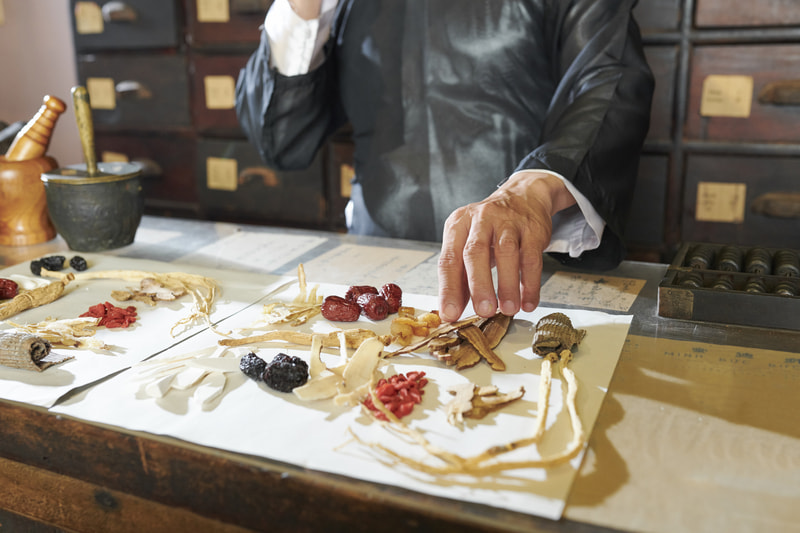
The strengths and limits of each tradition
Once you set the rivalry aside, a clearer picture emerges: each tradition is strong precisely where the other is weak.
Traditional Chinese medicine offers:
- A holistic, individualized approach that treats the whole person.
- Real strength with chronic and “sub-health” conditions such as fatigue, digestive troubles, and recurring discomfort.
- A deep emphasis on prevention and on nurturing long-term vitality through time-honored Chinese herbal remedies and daily practice.
Its limits are equally honest: because treatment is so individualized, quality varies with the practitioner’s skill, and its patterns can be harder to measure with the tools of modern trials.
Western medicine offers:
- Unmatched power in emergencies, surgery, and infectious disease.
- Precise, sophisticated diagnostic technology.
- A rigorous, evidence-based foundation refined through controlled research.
Its limits are the shadow of its strengths: a focus on symptoms can invite side effects, and its disease-centered lens can lose sight of the whole person when no clear disease is present.
Read side by side, the two are less like rivals and more like a pair of hands, each capable on its own, but far stronger together.
The best of both worlds: Integrative medicine
For much of the last century, Chinese and Western medicine were treated as opposing camps. Today, a more hopeful picture is taking shape, and a growing body of research supports it. One study comparing Chinese medicine and Western medicine consultations in primary care found both approaches to be effective, with significant improvements in quality of life for more than 90% of patients. Other research points to the promise of combining them. In a real-world study of 394 patients with heart failure, an individualized approach that blended Chinese and Western therapy improved long-term outcomes compared with standardized Western treatment alone.
Leading institutions have taken note. Harvard Medical School has hosted a dedicated symposium on traditional Chinese and Western medicine. Researchers writing in the journal Medicinal Research Reviews have explored the “yin and yang” of the two traditions as complementary rather than competing systems. In recent years, traditional medicine has also gained wider international recognition within global health frameworks. The vision of integrative medicine is simple and deeply humane. Let Western medicine do what it does best: meet the crisis, name the disease, deploy its precision. Let traditional Chinese medicine do what it does best: restore balance, tend the roots, and strengthen the whole. Each covers the other’s blind spot. The patient finally benefits from both.

What this difference means for you
So what does the difference between Chinese and Western medicine mean for the ordinary person trying to feel well? It means you have more options, and more agency, than you may have realized. When you face an emergency or a clearly diagnosed illness, Western medicine’s speed and precision are a gift. When you are wrestling with a chronic complaint, a stubborn “sub-health” feeling, or simply want to build lasting vitality, the preventive, whole-person wisdom of traditional Chinese medicine may offer what a scan cannot.
The point was never to crown a winner. It is to understand each tradition well enough to draw on its gifts wisely, and, whenever a condition is serious, to do so alongside a trusted healthcare professional who can help you weave the two together.
Conclusion
The essential difference between Chinese and Western medicine comes down to a single question: do you treat the disease, or do you treat the person who carries it? Western medicine, with its scientific precision, excels at identifying and removing disease. Traditional Chinese medicine, with its holistic vision, excels at restoring the balance in which health quietly takes root. One reads the pathology; the other reads the person.
For centuries these two ways of seeing seemed worlds apart. Today we can recognize them for what they truly are, not opposites, but complements, each holding a piece of wisdom the other lacks. To understand both is to hold a fuller picture of what it means to heal. May you come to know your own body as a small universe worth tending with care, and may you draw, without fear or prejudice, on whatever wisdom helps you flourish.
Follow us on X, Facebook, or Pinterest
