
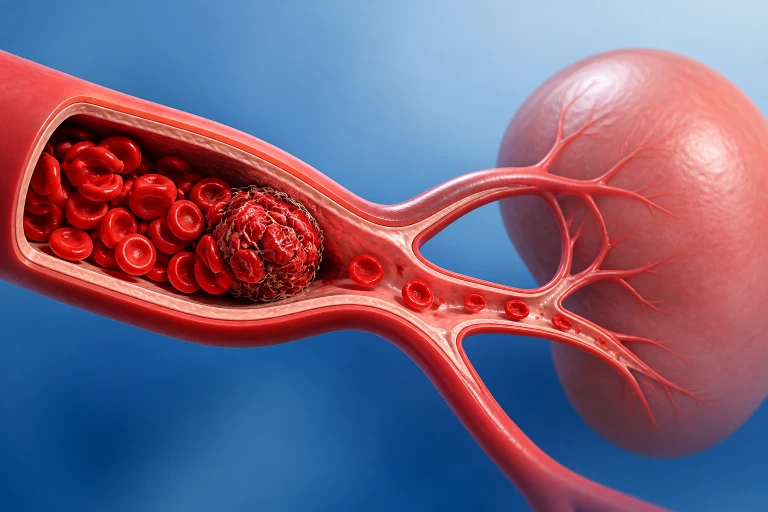
A blood clot is a lump in the blood that acts like a plug, blocking blood flow in various parts of the body and causing affected organs to lose their vital blood supply, which can lead directly to sudden death. Blood clots found in blood vessels leading to the brain can cause a cerebral infarction, or ischemic stroke, while those found in the coronary artery can cause a myocardial infarction, or heart attack, and clotted arteries in the lungs can lead to pulmonary embolism. These blood-clot-related diseases, including extremity vascular disease, seriously harm the body.
Even more alarming, 99% of blood clots are asymptomatic, causing no symptoms or noticeable sensations, even during routine checkups at cardiovascular clinics where blood lipids, blood pressure, and electrocardiograms are reported as normal. These clots can occur suddenly, often without people realizing it, even when they believe their cardiovascular system is healthy. Venous thrombosis is an even more insidious killer. Thrombotic diseases include arterial thrombosis and venous thrombosis. Arterial thrombosis is more common, but venous thrombosis was once considered rare and has not received sufficient attention.
Arterial thrombosis causes major heart attacks and ischemic strokes
The heart attacks and ischemic strokes with which we are most familiar are caused by arterial thrombosis. At present, among cardiovascular diseases in China, the incidence of hemorrhagic stroke has declined. However, the incidence and mortality rates of coronary heart disease continue to rise rapidly, with myocardial infarction being particularly prominent. Like heart attacks, ischemic strokes are notorious for their high incidence, high rates of disability and recurrence, and high mortality.
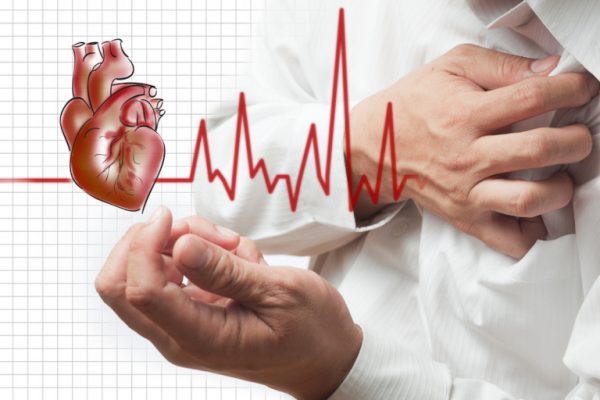
Venous thrombosis acts as a silent killer throughout the body
Thrombosis is the common underlying mechanism of three of the world’s leading fatal cardiovascular conditions: myocardial infarction, stroke, and venous thromboembolism. The public widely recognizes the seriousness of the first two. Although venous thromboembolism ranks as the third major cardiovascular killer, public awareness of it unfortunately remains very low. Venous thrombosis is known as a “silent killer” because most venous blood clots cause no symptoms.
Three major factors contribute to venous thrombosis: slow blood flow, vein wall damage, and increased blood coagulability. People with varicose veins, high blood sugar, high blood pressure, or abnormal blood lipid levels; people with infections; those who sit or stand for long periods; and pregnant women are among those at higher risk of venous thrombosis. When venous thrombosis occurs, milder cases may cause symptoms such as redness, swelling, hardening, nodules, and cramping pain along the affected vein.
In severe cases, it may progress to deep vein inflammation. The skin of the affected limb may develop brownish-red patches, followed by dark purplish-red swelling, ulceration, and muscular atrophy and necrosis. The patient may develop a fever and severe pain in the affected limb, and may ultimately face amputation. If a blood clot blocks a pulmonary artery and causes a pulmonary embolism, the condition can be life-threatening. Still, venous thrombosis is entirely preventable and controllable. The World Health Organization warns that going without physical activity for four consecutive hours increases the risk of venous thrombosis. Therefore, the most effective way to keep venous blood clots at bay is to move!
Prolonged sitting triggers blood clot formation in computer users
In the past, the medical community believed that long-haul air travel was closely associated with deep vein thrombosis. More recent research has found that spending long periods sitting in front of a computer can also be a major risk factor, leading some medical experts to call the condition “e-thrombosis.” Sitting in front of a computer for more than 90 minutes can reportedly reduce blood flow behind the knee by 50%, thereby increasing the likelihood of blood clot formation.
Professor Beverley Hunt, a London-based hematology expert, recommends taking a short break after an hour of computer use. Get up and walk around, stretch your arms, move your legs, rotate your ankles, and stretch your calf muscles to reduce the risk of blood clots. Understanding that “prolonged sitting easily leads to thrombosis” and changing the habit of “prolonged sitting” in daily life are essential for preventing thrombosis.

Regular walking helps prevent blood clots from head to toe
In 1992, the World Health Organization stated that walking is one of the best forms of exercise. It is simple and easy to do while offering substantial health benefits. Whether you are young or old, male or female, it is never too late to start walking for exercise. Dr. Paul Dudley White, one of the founders of the American Heart Association, also maintained that, from an evolutionary perspective, walking is the best form of exercise for humans. To prevent blood clots, walking helps maintain aerobic metabolism, strengthen heart and lung function, promote circulation throughout the body, help prevent blood lipids from accumulating on blood vessel walls, and reduce blood clot formation.
Follow the “3-5-7” rule when walking to prevent blood clots. “3” means walking at least 3,000 meters a day for at least 30 minutes. Exercise should be regular and moderate, as overly strenuous exercise can harm the body. “5” means exercising at least five times a week. “7” refers to a target in which your post-exercise heart rate plus your age equals 170. For example, for a 50-year-old, the post-exercise heart rate would be 120 beats per minute.
(For those in excellent physical condition, the total may reach 190; for those in poorer health, it should not exceed 150. Adjust the appropriate level to each person’s physical condition.) If the “3-5-7” rule seems too difficult to remember, keep one simple guideline in mind: take a brisk walk for at least 30 minutes every day, until your body feels warm and you begin to perspire slightly; this achieves the desired exercise effect.
Blood clots are insidious killers; 99% of blood clots have no warning signs! Moreover, blood clots can occur at any age and at any time, seriously threatening life and health. Everyone should know how to prevent blood clots! Remember the word “move,” and “move” every day to prevent blood clots and live a life free of them!
Translated by Joseph Wu and reviewed by Maria
Follow us on X, Facebook, or Pinterest
