

When you learn to take a step back, life often opens up in unexpected ways. Through the virtues of endurance, humility, and kindness, people can change themselves — and even change others.
Endurance reveals your true character
The ancients once said: “Those who can endure are truly strong.” Staying silent or choosing not to argue doesn’t mean you’re guilty or weak. Sometimes, it means your heart is kind and your mind is broad.
There’s a story in the History of the Song Dynasty that illustrates this.
A military officer, known for taking advantage of others, once stole timber from the government to make furniture. When his superior found out, he was furious and wanted the man executed. To save himself, the officer lied and said: “I was only following orders from the judge.”

The superior went to confront the judge. But instead of defending himself, the judge quietly took the blame. As a result, the officer’s life was spared, but the judge was dismissed from his position. He left without complaint, believing that his sacrifice might spark change in the officer.
And it did. When the officer learned the truth, he was overwhelmed with guilt. He repented, changed his ways, and became a better person.
We all hope to be treated with gentleness by the world. Sometimes, your ability to endure hardship helps others find their way. Endurance isn’t just about tolerance — it’s a sign of inner strength and wisdom. As another old saying goes: “He who can bear insult is truly virtuous.”
In life, what looks like silence may hold a vast sea of perspective. Being able to endure the seemingly unbearable can elevate your character and your destiny.
Knowing when to yield is a quiet wisdom
The classic text Cai Gen Tan says: “In dealing with the world, yielding a step is noble; giving others grace is a blessing.” In other words, stepping back doesn’t mean losing — it creates room for growth and peace.
During the Ming Dynasty, two families in a small town were bitter enemies. They avoided each other completely and hadn’t spoken in years. One dark evening, both families happened to leave the town market around the same time, walking silently on the same narrow path.
Suddenly, one man shouted: “Oh no!” and fell into a hidden ditch.
Hearing the cry, the other man ran over. “It’s still a human life,” he thought. “How could I stand by and do nothing?” He broke off a tree branch and used it to pull the man out.
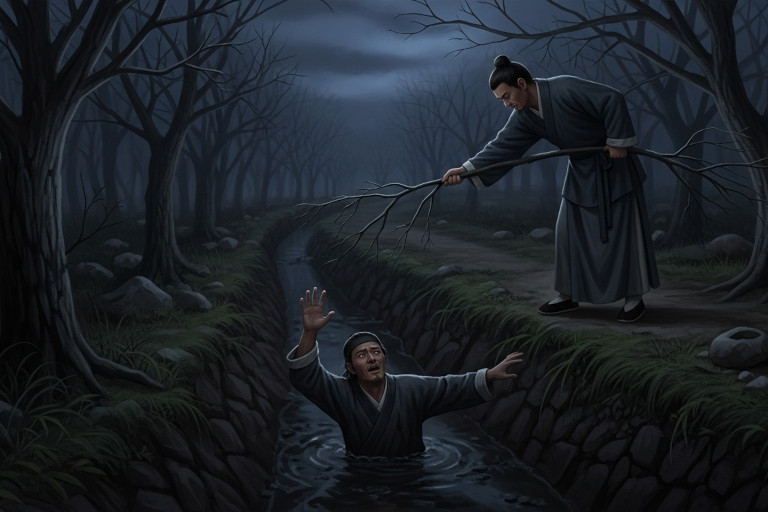
The rescued man gasped: “Thank you,” then looked up and realized — it was his enemy.
“Why did you save me?” he asked.
“To repay a kindness,” the man replied.
“What kindness?”
“If you hadn’t cried out, I would’ve fallen into the ditch too. How could I not return the favor?”
From that night on, the two men became friends, their feud forgotten.
In life, yielding a step doesn’t cost much, but stubbornness can come at a high price. Giving way shows tolerance, empathy, and emotional maturity. It’s about seeing things from another’s perspective — and sometimes that opens doors that anger never could.
As the saying goes: “Give three parts and lose nothing; allow three parts and suffer no harm.” When you stop fixating on being right or winning, life often gives you something better in return.
Kindness is the greatest wealth
In Dream of the Red Chamber, there’s a verse that reads:
“Chests full of gold and silver — yet in a blink, reduced to a beggar, scorned by all.”
Material wealth fades. But kindness leaves a mark that endures.
Nie Er, the composer of China’s national anthem, once witnessed a young girl selling newspapers at a cold, crowded train station. She was frail and thin, and the crowds knocked her over, scattering the papers everywhere.
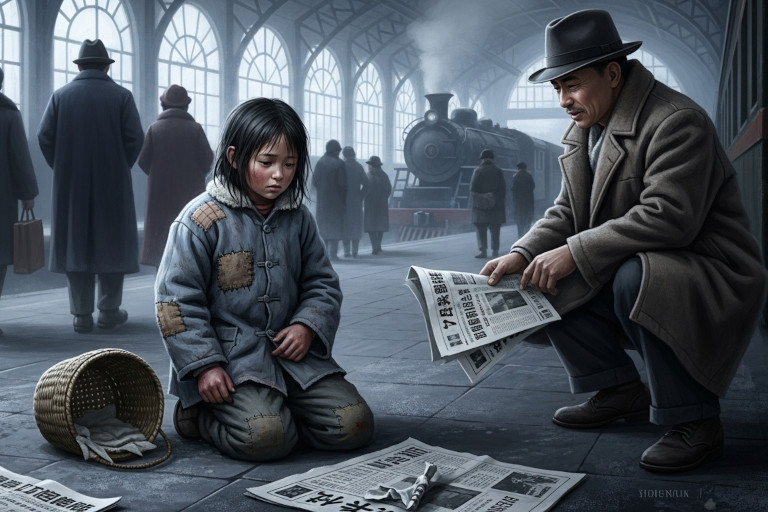
Seeing this, Nie Er bought every last copy she had. Later, he composed the song The Newspaper Seller, capturing her struggle with compassion and empathy. His act of kindness became a melody that touched generations.
Kindness, after all, is part of our nature. A kind person may live a quiet life, but that life is often filled with the richest kind of joy. They don’t act for praise or reward — they simply follow what their heart tells them is right.
All blessings grow from a kind heart. When you let go of gain and loss and look at the world with sincerity, good things follow.
Real happiness comes not from having more, but from feeling whole inside. When you can endure a moment, step back with wisdom, and live kindly, life becomes full — not just for you, but for everyone around you.
Translated by Joseph Wu
Follow us on X, Facebook, or Pinterest
