
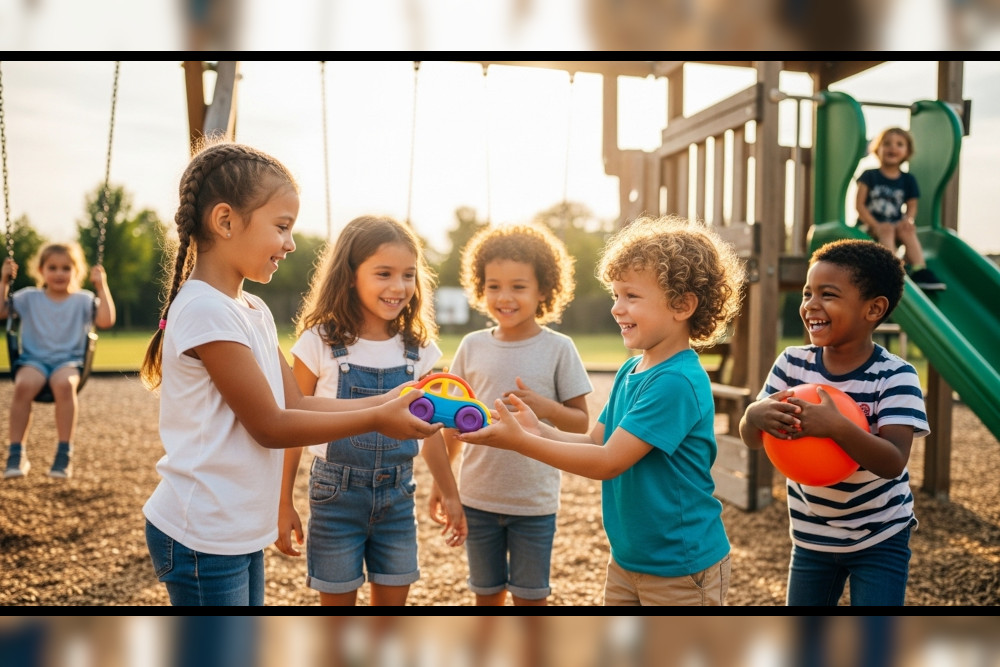
If you want your children to grow up with true happiness and stability, the greatest gift you can offer is not wealth or comfort, but kindness and a considerate heart. A child who learns to understand others will naturally live with harmony and purpose.
Yet modern society often works against this. Television, news, and online media are filled with aggression, conflict, and fear. Children who grow up surrounded by such images can easily absorb these patterns of harshness without realizing it. That’s why the early years of guidance — from both parents and teachers — play such a powerful role in shaping their future.
A parenting columnist once observed that society already has enough hatred and chaos. In such times, helping children practice kindness and empathy is more vital than ever. Lessons on morality and volunteer work also have their value, but kindness isn’t something to be performed once a year at a holiday food drive — it must be lived every day. It’s learned through the small moments of daily life — how we answer children’s questions, handle playground conflicts, and teach them to consider other people’s feelings.
Kindness nurtured through guidance and example
At school, every class has a few especially energetic children — sometimes even aggressive or quick to lash out. Their high energy can make it hard for them to sit still or control their tempers, and if they’re labeled as troublemakers or avoided by classmates, it can push them further down a negative path. One teacher chose a different approach. Instead of criticizing these students, she often asked them to help with small classroom tasks — handing out materials, setting up activities, or assisting classmates. Each time she praised them for being helpful or generous, other students began noticing their positive traits.
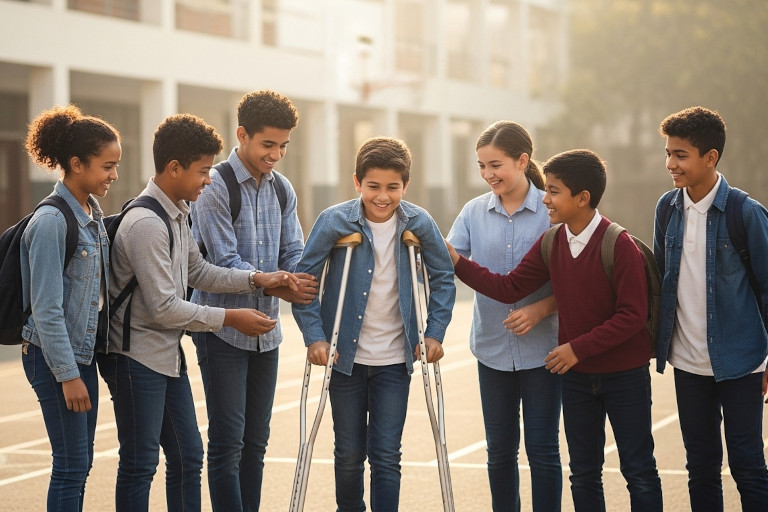
Then, when one of those active boys was injured and had to stay home for two weeks, the teacher spoke to the class: “If everyone disliked you, made fun of you, or refused to play with you, wouldn’t that feel awful?” The children nodded. She told them their classmate was hurt and would soon return, and asked them to look out for him. When he came back, the class surrounded him with warmth — carrying his books, helping him up the stairs, asking about his recovery. From that experience, the children learned what harmony and empathy truly mean. It showed that even those who seem rough or restless have kind hearts waiting to be guided.
Setting boundaries with love
Children need gentle, thoughtful guidance to understand how their actions affect others. When a child means to be friendly but ends up being too rough, it’s best not to scold them right away. Instead, help them experience what kindness feels like.
One mother shared how she teaches her young children: “Our hands are for giving love. Right now, your hands are a little too rough — let’s try to be gentler. Let’s use our hands to show love.” She then takes their hands and lets them feel the difference between harshness and a gentle touch. Through moments like this, children begin to connect their intentions with their actions and understand how compassion feels in practice.
Leading by example
Children learn primarily by imitation. They notice how parents speak to one another, how they handle frustration, and how they admit mistakes. When parents lose patience and later apologize, children see what responsibility and humility look like in practice. These small examples shape character far more deeply than lectures on morality.
Rules also play an important part. Unacceptable behavior — such as hitting — should never be tolerated, no matter the occasion. Even on birthdays or holidays, right and wrong remain the same. Teaching politeness and gratitude through simple habits like saying “thank you,” sending small cards, or drawing pictures for friends and relatives helps children express appreciation and form healthy social bonds. Good manners are not superficial — they are daily acts of kindness that build a harmonious life.
Helping children build friendships
Friendship is another form of compassion. When children play together, they are learning how to share space, resolve differences, and care for one another. Parents should gently guide these early interactions, explaining what is acceptable and what is not. If a child uses unkind nicknames or rude language, respond immediately with calm but firm correction. At the same time, offer generous praise when they show thoughtfulness — such as helping a friend or including someone left out. Over time, they will associate kindness with a sense of pride and belonging.
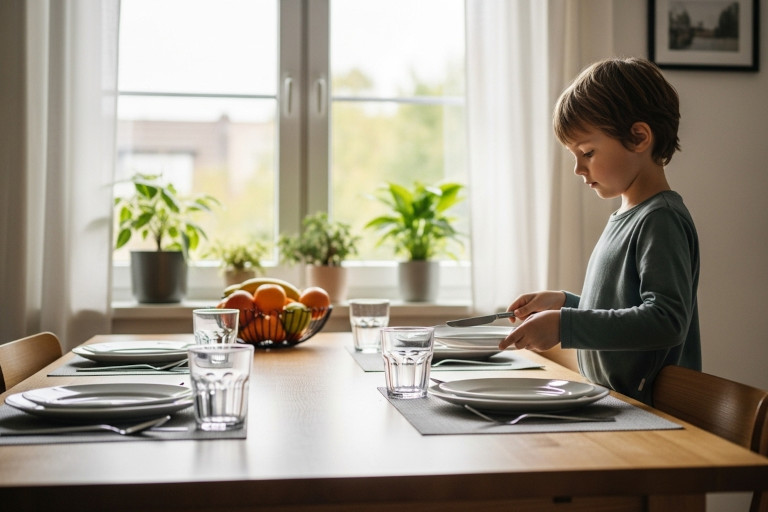
Encourage small gestures of help, whether it’s feeding a pet, setting the table, or helping a sibling. When children feel capable of contributing, they develop empathy and a sense of purpose. You might even keep a simple list of household tasks so they can see the value of their efforts each day.
Guiding emotional awareness
As children grow older, their emotional world deepens. Teaching them to recognize others’ feelings marks a key step in emotional intelligence. Parents can use everyday events to nurture this awareness. When frightening or tragic stories appear in the news, avoid dwelling on violence or hatred. Instead, draw attention to the helpers — the doctors, volunteers, and rescuers who bring comfort to others. This helps children view the world through a lens of compassion rather than fear.
Likewise, be mindful of media influences. If a show promotes ridicule or aggression, turn it off and explain why you did. Children imitate what they see; showing them examples of kindness, respect, and courage prepares them to choose those qualities in real life.
A heart that shapes the future
Kindness is humanity’s original nature — it simply needs reminding. When children learn empathy and respect from the adults around them, they grow into people capable of bringing light to others. Giving children a bright and beautiful future begins not with changing the world, but with changing ourselves. When each of us nurtures compassion in daily life, we create the foundation for a more peaceful and hopeful generation.
Translated by Eva
Follow us on X, Facebook, or Pinterest
