
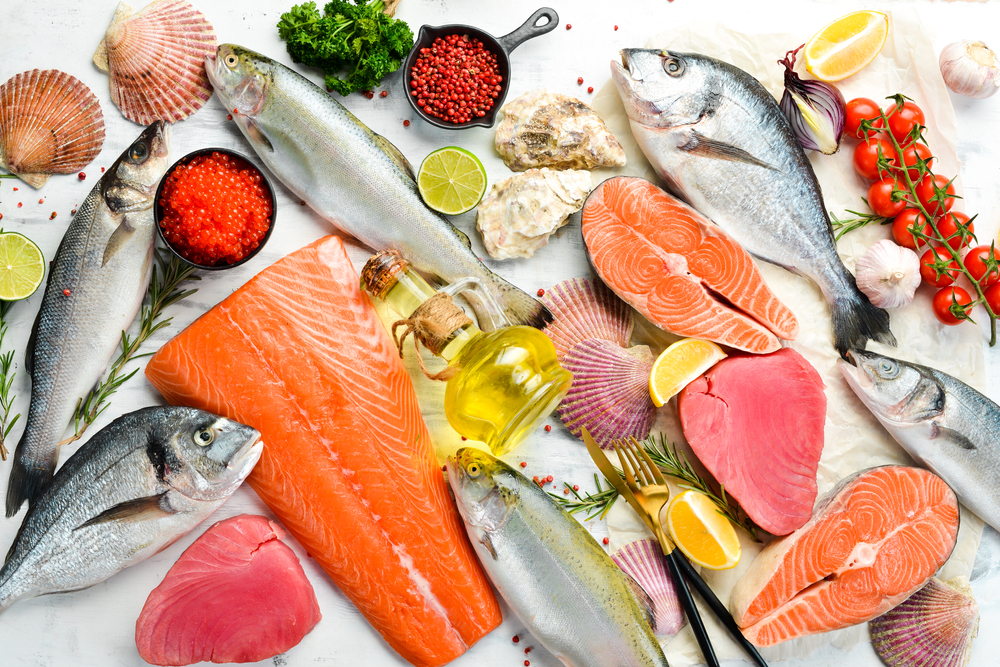
Fish is often considered a cardiovascular superfood, but not all fish benefit your blood vessels equally. In clinical practice, one patient’s case stood out: her vascular health declined significantly over three years, despite eating fish daily. The issue wasn’t the fish itself — it was the type and preparation.
Certain fish varieties and cooking methods may increase blood viscosity, uric-acid burden, oxidative stress, or heavy-metal exposure. Here are key considerations for protecting vascular health while enjoying seafood.
Some fish and cooking styles may thicken the blood
1. Salt-cured fish: Hidden sodium load
Salt-preserved fish may contain extremely high sodium levels, sometimes more than ten times that of fresh fish. Excess sodium encourages the body to retain water, increasing blood volume and pressure. In addition, the curing process can generate nitrites, which may irritate the lining of blood vessels over time.
2. Fish-head soup: High in purines
Broths made from fish heads and skin tend to have concentrated purines after long simmering. For individuals prone to high uric acid or gout, this can trigger discomfort and inflammation, while potentially placing extra stress on blood vessels.
3. Large carnivorous fish: Risk of heavy metals
Predatory fish higher on the food chain — such as tuna or swordfish — can accumulate more heavy metals like mercury. While occasional consumption is generally fine, regular intake may affect lipid metabolism and long-term vascular health.
4. Deep-fried small fish: Healthy fats turned harmful
Naturally oily small fish, such as saury or capelin, provide beneficial omega-3 fatty acids — until they are exposed to high-temperature frying. Heat oxidation can transform these helpful fats into trans fats and other byproducts linked with arterial plaque formation.

Healthier ways to enjoy fish
Choose small to medium marine fish
Prioritize options like mackerel or sardines, which are rich in omega-3s. Two to three servings per week — about the size of your palm per serving — can support heart and brain health. Gentle cooking methods, such as steaming or oven roasting, help preserve nutrients.
Pay attention to how your body reacts
Feeling dizzy or experiencing tingling in your hands or feet after eating fish may signal mild mercury sensitivity. Likewise, if you have high uric acid and notice joint pain after fish soup, stop eating it temporarily and hydrate well.
Pair fish with cleansing vegetables
Ingredients like onion and celery contain compounds that support detoxification pathways, helping your body process trace metals naturally present in seafood. Black fungus (wood ear mushroom) in cold salads can help bind fats in the digestive tract.

When extra caution is helpful
Some groups benefit from more selective fish choices:
- Individuals with high blood pressure should limit their intake of salted fish and fish sauce.
- Those with gout may want to avoid fish roe and organ meat.
- Pregnant women and children should be mindful of large fish high in mercury.
- People with diagnosed carotid plaque may need to limit their intake of fried fish.
A simple trick to make fish healthier
Research suggests marinating fish in lemon juice for about 15 minutes before cooking may reduce advanced glycation end products (AGEs) by over 50 percent. This simple step can help support vascular health while enhancing flavor.
With mindful choices — choosing the right fish, preparing it gently, and listening to your body — fish can remain a nourishing and heart-supportive part of your diet.
Translated by Patty Zhang
Follow us on X, Facebook, or Pinterest
