
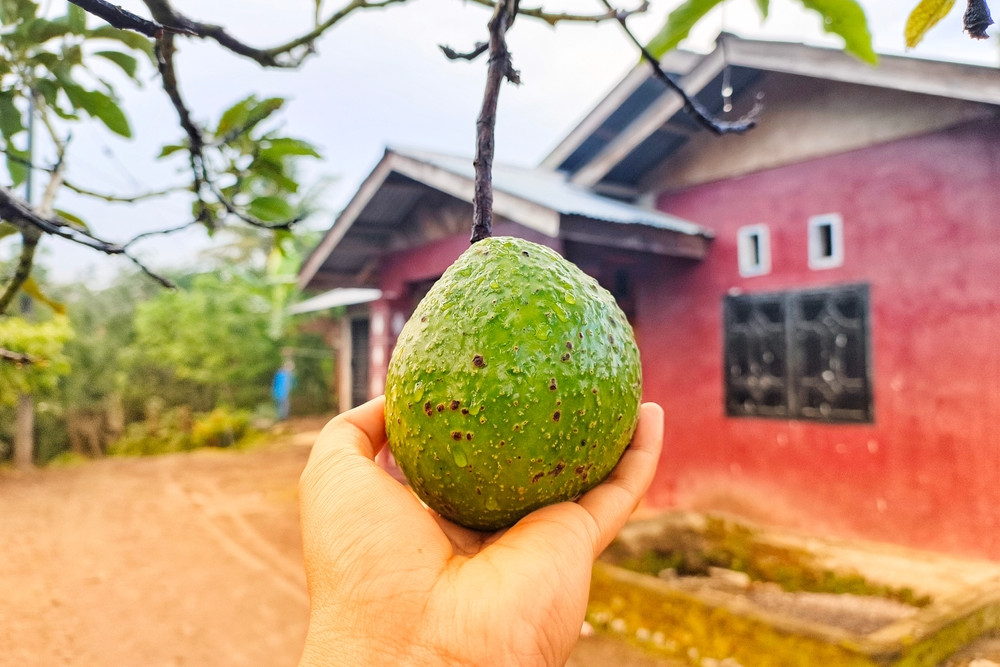
Some childhood experiences stay with us long after we leave home. For one woman, two trees near her childhood house — a sturdy avocado tree in the front yard and a tall orange tree across the street — left an imprint so deep that their presence followed her into adulthood. The quiet companionship of these plants became linked with memories, major life events, and the subtle sense that nature sometimes responds in ways we don’t fully understand.
The avocado and orange trees of her childhood
The woman recalled how she and her cousins spent long afternoons beneath the avocado tree, playing hide-and-seek under its wide canopy. As they grew older, the tree became more than a playground. Whenever someone felt upset or overwhelmed, sitting under the avocado tree seemed to calm the mind, as if the tree itself offered a quiet place to settle one’s thoughts.
The orange tree across the street held a different kind of meaning. Her grandmother had passed down a family tradition: people called it the “wishing tree.” If someone shook the tree until an orange fell, picked it up, made a sincere wish, and then ate it, the wish would eventually come true. Over the years, the family saw this happen many times. The ritual became a small but cherished reminder that hopes expressed with sincerity sometimes find their way into reality.

Time eventually carried everyone to new places, and the family said goodbye to the two trees when they moved away. But the trees continued to appear in their dreams. Dreams of the avocado tree often arrived before difficult periods — breakups, setbacks, or emotional struggles. Dreams of the orange tree, however, tended to coincide with major, meaningful milestones such as engagements, marriages, or the arrival of new children.
To the woman and her cousins, the dreams felt less like superstition and more like a lingering connection to the place where they grew up — an echo of the past surfacing at important turning points.
A tragic consequence of harming a tree
Another story shared online carried a much heavier tone. A man recounted an incident involving his older brother, who worked as a landlord. One day, the brother received a call from a tenant reporting that a child in the building had been mistreating plants — hitting trees, tearing at branches, and throwing objects at them.
He drove over immediately. There, he saw the child actively damaging the trees, striking the trunks and pulling at the leaves. He stopped the child at once and later spoke with the parents, explaining that any damage to the plants would be their responsibility.
The next day, the same tenant called again. This time, he had witnessed a tree branch fall directly onto the child’s head. The impact caused the child to collapse on the spot, and despite efforts to save him, the child later passed away due to the severity of the injury.
The man who shared the story described it as a heartbreaking example of consequences arriving in an unforeseen and irreversible way. For many, the incident became a reminder that nature deserves respect — and that careless or harmful actions can sometimes lead to tragic outcomes.
A peace lily that carried a grandmother’s love
A third account offered a gentler and more comforting reflection on the bonds that continue across generations.
A young man wrote that his great-grandmother passed away in the year 2000. After the funeral, his mother brought home a potted peace lily that had belonged to her. She knew almost nothing about gardening and rarely managed to keep any plant alive. Yet this one survived year after year, eventually living for nineteen years — far longer than any other plant she had ever cared for.

She watered it only occasionally, but the peace lily remained healthy and resilient. Sometimes it would go half a year without blooming; other times, it would bloom again just weeks later. What struck the family most was how its blooming seemed to coincide with meaningful events — birthdays, graduations, weddings, divorces, and other turning points large and small.
To his mother, it felt like a quiet sign that her grandmother was still watching over the family. Even though she had passed on, the love she carried for her descendants seemed to live on in the plant she left behind.
What these stories leave behind
Across all three stories, the plants themselves are not magical objects, nor are they treated as symbols of superstition. Instead, they reflect the emotional weight people place on memories, family traditions, and the sense of connection that nature can evoke. A childhood home, a life lesson learned too late, or the lasting warmth of a relative’s love — these moments often attach themselves to the plants and places around us.
Sometimes, the natural world becomes a quiet companion to the journeys we take. Trees and flowers may not speak, yet they witness our joys, our mistakes, and our milestones. And when memories resurface through them — whether in dreams, unexpected events, or a bloom that appears at just the right moment — they remind us how deeply our lives are intertwined with the world around us.
Translated by Patty Zhang
Follow us on X, Facebook, or Pinterest
