
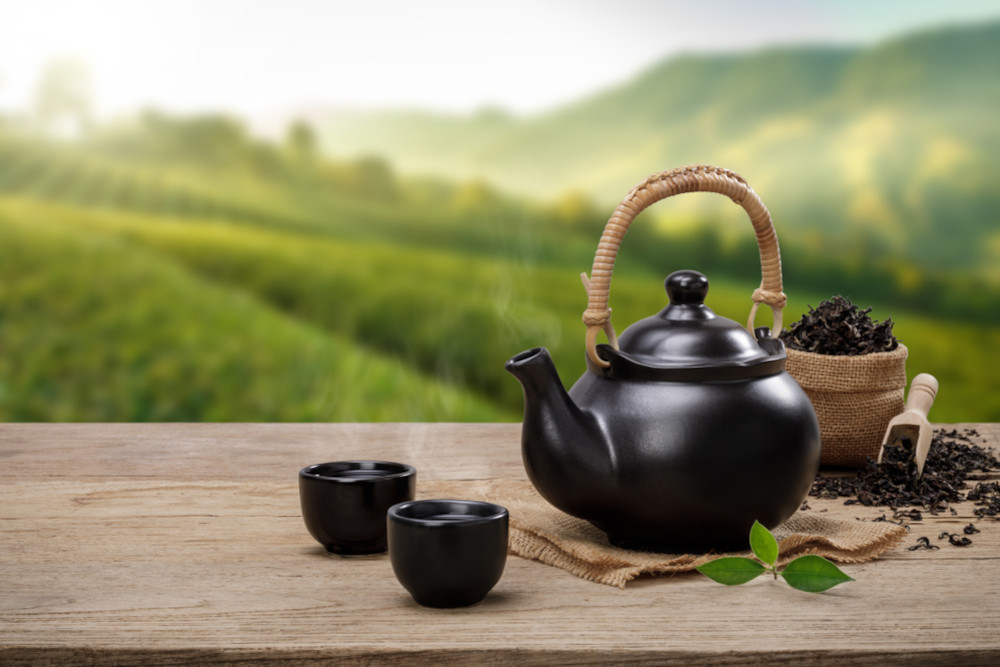
Tea has been treasured in Chinese culture for thousands of years. Beyond its refreshing taste, it is widely valued as a beverage that supports digestion and overall well-being. Many people enjoy a cup after meals to help clear away the feeling of heaviness that sometimes follows a rich dish.
An old line recorded in the classic herbal text Shennong Bencao Jing (Divine Farmer’s Classic of Materia Medica) states: “Shennong tasted hundreds of herbs and encountered seventy poisons in a single day, but tea resolved them.” While this passage is legendary rather than literal, it reflects the long-held belief that tea has cleansing and restorative properties.
Modern analysis shows that tea contains many active compounds, including caffeine, antioxidant catechins, vitamins A, E, B1, B2, and C, as well as minerals, such as potassium. It also contains flavonoids that may help freshen the breath and other bioactive substances that support the body in various ways.
Yet traditional Chinese dietary wisdom also holds that even healthy foods can have combinations that are less beneficial. This idea appears in traditional almanacs under the concept of “food incompatibilities,” referring to ingredients that may not work well together. When tea is paired carelessly with certain foods or substances, traditional teachings suggest that its benefits may be reduced — or even lead to discomfort.
The following four combinations are commonly mentioned in traditional guidance.
Tea and sugar
Tea is traditionally described as bitter and cooling in nature. The mild bitterness is believed to stimulate digestive glands, encouraging the secretion of digestive fluids and helping the stomach process food more efficiently.
Tea’s cooling quality is also thought to help clear excess internal heat. For this reason, tea has long been valued as a refreshing drink in warm weather or after rich meals.
Adding sugar can interfere with these effects. Sweetness masks the bitterness that is meant to stimulate digestion, and in traditional dietary thinking, the warming nature of sugar counteracts tea’s cooling properties.

For this reason, when choosing tea drinks — especially those meant to aid digestion — traditional advice suggests selecting unsweetened or lightly sweetened options whenever possible.
Tea and medication
Tea leaves contain tannins, compounds that can react chemically with certain medications and form precipitates that reduce the body’s ability to absorb them.
Examples include iron supplements and other medicines that contain iron compounds. In these cases, drinking tea at the same time may reduce the medicine’s effectiveness.
Tea’s natural stimulants can also counteract the effects of sedative medications. Substances such as caffeine and theophylline may weaken the calming or sleep-inducing effects of these drugs.
Because there are many types of medications, traditional advice is simple: take medicine with water rather than tea. This avoids unnecessary interactions and helps ensure that the medication works as intended.
Tea and alcohol
Some people enjoy drinking tea after alcohol, hoping it will help relieve dryness, aid digestion, or sober them up more quickly. Traditional Chinese medicine, however, cautions against this habit.
Tea has a diuretic effect, increasing urination. After drinking alcohol, the body is still in the process of breaking down acetaldehyde, a toxic intermediate substance produced during alcohol metabolism.
Traditional theory holds that drinking tea at this stage may cause these substances to reach the kidneys before they have been fully processed by the body, potentially placing additional strain on the kidneys.

For this reason, traditional guidance recommends avoiding tea immediately after alcohol consumption.
Tea and lamb
Lamb is considered a nourishing food that can benefit the body when eaten in moderation. However, traditional teachings advise against drinking tea while eating lamb.
Lamb is rich in protein, while tea contains tannins. When these substances combine, they may form compounds that have an astringent effect in the intestines.
This can slow intestinal motility and reduce moisture in the stool, increasing the likelihood of constipation.
To avoid this issue, it is generally recommended not to drink tea while eating lamb. After finishing a lamb meal, it is better to wait two to three hours before drinking tea.
A traditional perspective on tea drinking
Tea remains one of the most widely consumed beverages in daily life. While it offers many potential benefits, traditional teachings emphasize that understanding its proper use is equally important.
The guidance surrounding tea and food pairings reflects centuries of observation about how foods interact with the body. By paying attention to these traditional insights, tea drinkers can better appreciate the role tea has long played in Chinese dietary culture.
Translated by Patty Zhang
Follow us on X, Facebook, or Pinterest
