
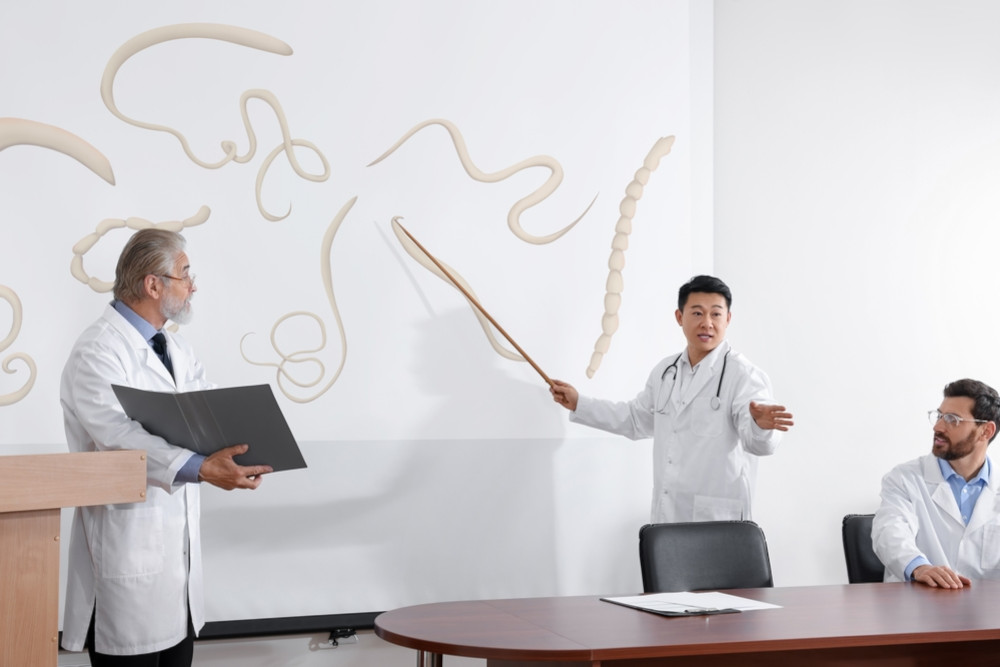
The gut parasite cleanse claim has been flooding my Instagram feed for months, and I have been watching it with the particular attention of someone who does not know what to believe.
The video is always structured the same way. A thumbnail of an unidentified organism. A narrator speaking in the calm, authoritative register of someone who has discovered a truth the medical establishment does not want you to have. Then the claim: ninety percent of people carry parasites in their gut. Most of them do not know it. The cure is wormwood, black walnut hull, and cloves — the so-called holy trinity of herbal antiparasitic treatment. And do not forget the binder, the narrator always says, to prevent die-off symptoms when dying parasites release heavy metals into your bloodstream.
I am not a doctor. I am also not a credulous person. But I have learned, over years of thinking seriously about systems, that the absence of institutional validation is not the same as the absence of truth. What I want to do here is something harder than dismissal and harder than belief. I want to look at what we actually know.
How plausible is the ninety percent gut parasite cleanse claim?
Let us start with the number itself, because it is doing enormous rhetorical work. Ninety percent is not a figure that appears in mainstream parasitology when discussing populations in industrialized nations. What does appear is more granular and more interesting.
The World Health Organization estimates that over 1.5 billion people globally carry soil-transmitted helminths — roundworms, whipworms, hookworms. Most of them live in tropical and subtropical regions with poor sanitation. In high-income countries with clean water infrastructure, the burden is substantially lower. But it is not zero. Studies on specific parasites tell a different story depending on which organism you are asking about.
Blastocystis hominis, a single-celled organism, is found in roughly 20 to 30 percent of people in developed countries, and considerably higher in some populations. Giardia lamblia infects an estimated 200 million people worldwide and is not rare in Western nations. Toxoplasma gondii — transmitted through undercooked meat and cat feces — has seroprevalence rates of 10 to 40 percent in the United States, depending on the population studied, indicating that a significant portion of people have been exposed and carry a latent infection. Pinworms (Enterobius vermicularis) infect an estimated 40 million Americans, predominantly children.
The honest answer is: a meaningful percentage of people in industrialized countries carry at least one parasitic organism. The ninety percent figure is not supported by evidence. But the claim that most people are completely parasite-free is also probably not accurate.
What the viral videos conflate is the difference between active pathogenic infection and subclinical colonization. Many of these organisms persist in the gut without producing identifiable symptoms — or they produce symptoms so diffuse (fatigue, bloating, brain fog, joint aches) that they are attributed to a dozen other causes before anyone thinks to look for parasites. That ambiguity is precisely what makes the claim so sticky. It is not falsifiable by the experience of feeling fine.
The herbal trinity — what the compounds actually do
Let us take the herbal remedies seriously, because they deserve that. The claim is not that wormwood, black walnut, and cloves will cure a parasitic infection because someone on Instagram says so. The claim is supported by documented phytochemical activity. The question is whether the activity demonstrated in laboratory settings translates to a therapeutic effect in living human beings.
Wormwood, Artemisia absinthium, contains a compound called absinthin and, more importantly, artabsin and other sesquiterpene lactones. Its relative, Artemisia annua, is the source of artemisinin — a compound that won the 2015 Nobel Prize in Physiology or Medicine for its efficacy against malaria. That is not a minor credential. Artemisinin works by generating free radicals within the parasite that damage its cell membranes. The mechanism is real. The question is whether the concentrations achievable through oral wormwood consumption are sufficient to replicate a therapeutic antiparasitic effect against gut organisms, which is a different parasite environment than the bloodstream malaria context.
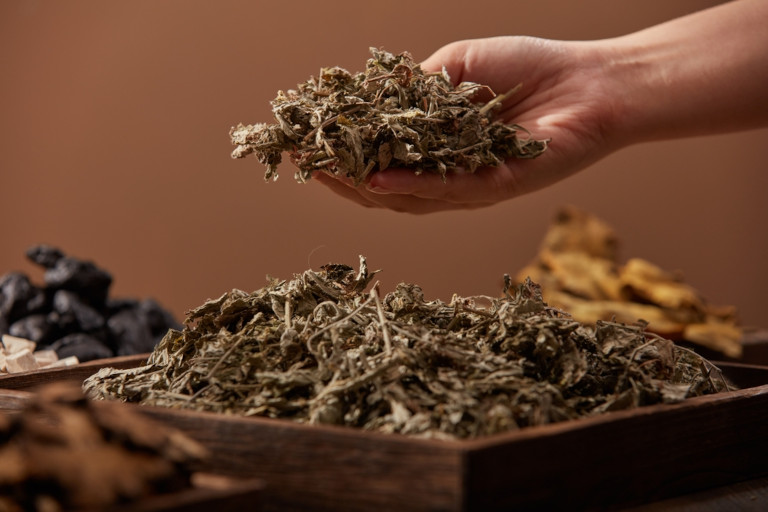
Black walnut hull, Juglans nigra, contains juglone — a naphthoquinone compound that has demonstrated inhibitory activity against bacteria, fungi, and some parasitic protozoa in laboratory studies. It also contains tannins, which create an inhospitable environment for many organisms that rely on the gut mucosa. The antiparasitic effect is plausible mechanistically. Clinical trials in humans are sparse. That is not evidence of inefficacy; it is evidence of underfunding. Herbal compounds that cannot be patented do not attract pharmaceutical research investment.
Cloves, Syzygium aromaticum, contain eugenol — one of the most studied phenolic compounds in food science. Eugenol has demonstrated antiparasitic properties against Giardia lamblia and anthelmintic activity in several in vitro studies. It also has documented ovicidal effects, meaning it disrupts the development of parasite eggs. This is pharmacologically significant. A treatment that kills adult parasites but leaves viable eggs will fail.
Beyond the trinity, papaya seeds contain carpaine and benzyl isothiocyanate, both of which have shown anthelmintic activity in human and animal studies. A randomized controlled trial published in the Journal of Medicinal Food found that air-dried papaya seeds with honey cleared intestinal parasites in 76.7% of Nigerian children, compared with 16.7% in the control group. That is a peer-reviewed finding. It is a single study, and the population context matters — but it exists, and anyone who waves it away without reading it is not being scientifically rigorous. They are being institutionally comfortable.
The absence of large-scale peer-reviewed trials does not make these compounds inert. It reflects funding priorities, not biological reality. Forum reports from people who completed a structured cleanse and saw symptoms they had carried for years disappear — that is data. Anecdotal data, yes. But dismissing it entirely is not skepticism. It is a different kind of dogma.
The binder claim — that dying parasites release heavy metals requiring chelation support — is the most pharmacologically specific and the most speculative. Some parasites do bioaccumulate heavy metals from the host environment. The Herxheimer reaction, a well-documented immune response to the rapid die-off of pathogens during treatment, is real — it was originally described in the treatment of syphilis and is recognized in Lyme disease protocols. Whether the die-off from herbal antiparasitic treatment produces a comparable reaction, and whether binders like activated charcoal, bentonite clay, or chlorella meaningfully intercept toxin reabsorption, is not well studied. The mechanism is not implausible. The evidence for this specific application is thin.
Where parasites come from — the sources most people ignore
If we take seriously the possibility that parasitic burden is higher than casual medical culture acknowledges, the next question is how they get there. The answer is uncomfortable because it runs through food preparation practices most people consider normal.
Undercooked meat is the most documented vector. Taenia saginata from beef, Taenia solium from pork, Toxoplasma gondii from pork and lamb, Trichinella spiralis from pork and game — these are established transmission pathways that appear in standard medical education. What is less discussed is the low-temperature danger zone. Pink pork, sushi, ceviche, steak tartare, and raw oysters all carry transmission risks that are treated as acceptable lifestyle choices rather than genuine health considerations.
Contaminated water and produce carry Giardia, Cryptosporidium, and Cyclospora. In communities with reliable municipal treatment, risk is lower — but not absent. Travel to regions with different water standards dramatically increases exposure, and returning travelers rarely receive comprehensive parasitic screening.
Domestic animals are a vector that most people emotionally resist examining. Toxocara canis from dogs, Toxocara cati from cats, Toxoplasma gondii from cat feces — these are real transmission pathways documented in the epidemiological literature. The practice of allowing pets on sleeping surfaces is not typically framed as a parasitic risk factor in popular health communication.
Soil contact — walking barefoot, gardening without gloves, children playing in dirt — remains a route for hookworm and Strongyloides in regions where these organisms are present in soil. Geographic latitude and soil temperature affect risk. This is not a risk confined to the developing world.
The disease connection — what happens when you ask harder questions
This is where the claims become more extraordinary, and where the intellectual responsibility to distinguish evidence from hypothesis becomes most important. The assertion in many parasite cleanse communities is not merely that parasites cause digestive symptoms. It is that parasites are implicated in — or causally responsible for — conditions as varied as type 2 diabetes, certain cancers, gallstones, kidney stones, and chronic inflammatory diseases.
Some of these connections have documented research behind them. Helicobacter pylori, technically a bacterium but often discussed alongside parasitic organisms in integrative medicine contexts, is causally linked to gastric ulcers and gastric cancer — a connection that earned Barry Marshall and Robin Warren the Nobel Prize in 2005 and that was dismissed by the medical mainstream for over a decade before acceptance. That history matters. It is a reminder that extraordinary claims sometimes become textbook facts.
The connection between parasitic infection and gallstones has mechanistic plausibility. Clonorchis sinensis, the Chinese liver fluke, is a recognized cause of biliary stones through chronic biliary inflammation. Ascaris lumbricoides can migrate into the biliary tree and physically obstruct bile ducts. These are not fringe claims. They are in parasitology textbooks. The more speculative claim — that subclinical low-grade parasitic colonization in populations who have never been diagnosed could contribute to metabolic dysregulation — is not proven, but it is not unreasonable to model.
The diabetes-parasite connection is being actively studied. Research published in Nature and other high-impact journals over the past decade has explored the hygiene hypothesis in metabolic disease — the idea that reduced helminth exposure in industrialized populations correlates with elevated rates of autoimmune and metabolic conditions. The proposed mechanism involves immune polarization: helminths historically occupied Th2 immune pathways, and their absence leaves those pathways underactive, potentially contributing to inflammatory dysregulation. This is a hypothesis with supporting correlational data and emerging mechanistic evidence. It is not proof. It is an open question that deserves open investigation.
The claim that removing parasites reversed someone’s symptoms is almost impossible to evaluate in isolation. But so is the claim that it couldn’t. The body’s adaptive responses to chronic parasitic presence — altered gut microbiome, modified immune tone, metabolic adjustments — are real phenomena. Their reversal upon clearing the parasite is pharmacologically conceivable.
Cancer claims are the most extraordinary and require the most careful treatment. It is documented that certain parasites are classified as Group 1 carcinogens by the IARC. Schistosoma haematobium causes bladder cancer. Clonorchis sinensis and Opisthorchis viverrini are associated with cholangiocarcinoma. These are not alternative medicine claims. They are oncological facts. Whether lower-level, more common parasitic colonization contributes to cancer risk in the diffuse way claimed by wellness communities is a different and unanswered question.
Medical alternatives — what conventional medicine actually offers
The standard medical antiparasitic toolkit is effective for diagnosed infections and largely absent for undiagnosed ones. That gap is where much of this conversation lives.
Mebendazole and albendazole are broad-spectrum anthelmintics used against roundworms, whipworms, and hookworms. They work by binding to beta-tubulin in the parasite, inhibiting glucose uptake and causing starvation. They are genuinely effective for the organisms they target. They are prescription medications that require a confirmed diagnosis, which in turn requires testing, which in turn requires a clinical encounter with a physician willing to order that testing.
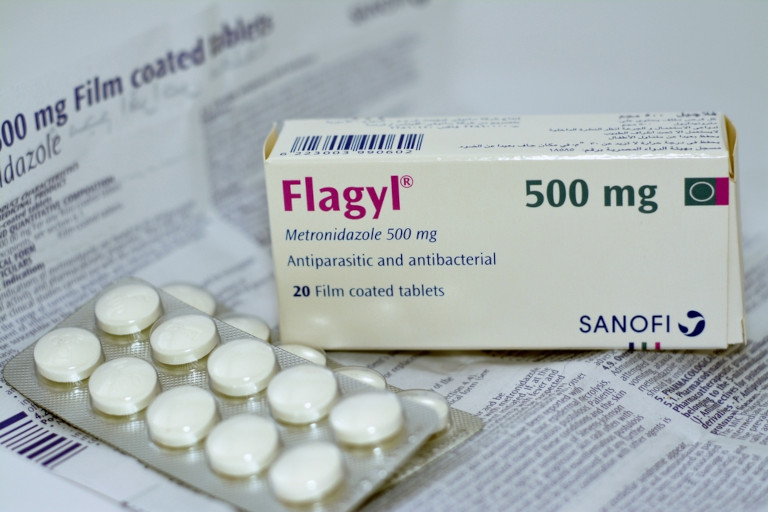
Metronidazole (Flagyl) targets protozoan infections, including Giardia and amoebic dysentery. It is effective, commonly prescribed for confirmed giardiasis, and carries documented side effects. Ivermectin, recently politicized in an entirely different context, is the first-line treatment for strongyloidiasis and onchocerciasis, and a critical tool in global parasite control programs.
The diagnostic limitations of conventional practice are significant and rarely discussed with patients. Standard stool examination has sensitivity rates for some organisms below 50% in a single sample. The recommendation to test three samples on separate days improves sensitivity, but this protocol is inconsistently applied. PCR-based stool testing for parasitic DNA is more accurate but less routinely available. Blood serology detects antibodies rather than active organisms, can miss current infection if immunity has mounted slowly, and can produce false positives due to cross-reactivity.
A colon hydrotherapy session — a colonic — involves the introduction of filtered water into the large intestine to flush intestinal contents. It is practiced by some as a preparatory or adjunctive step in parasite cleanse protocols. The evidence base for colonics as a therapeutic intervention is limited, and the practice carries genuine risks, including electrolyte disruption and infection if equipment sterilization is inadequate. It should not be undertaken casually. Some practitioners argue that the physical removal of biofilm — the protective coating some organisms use to resist both pharmaceutical and herbal intervention — is the primary mechanism of benefit. Biofilm disruption as a therapeutic concept is recognized in clinical antibiotic resistance research, though its application to gut parasite management is not well validated.
The ancient knowledge — what scripture, Sanskrit, and shamanic practice knew
Here is where I find the most intellectually honest position is also the most surprising one: the traditions that encoded parasite awareness and periodic cleansing into their fundamental practices were not operating in ignorance. They were operating with observational precision that accumulated over millennia.
The Hebrew Bible and its associated Levitical code contain an elaborate system of dietary restrictions that, read through a parasitological lens, map almost exactly onto high-risk transmission vectors. The prohibition on pork and shellfish — two of the highest-risk foods for Taenia solium and various bacterial and viral pathogens. The prohibition on blood consumption — blood is a primary transmission medium. The quarantine protocols for skin conditions and bodily discharges — infectious disease management before germ theory. Whether the authors of Leviticus understood the microbiological mechanism is irrelevant. The observational pattern was encoded with striking precision.
Fasting, prescribed across virtually every major religious and spiritual tradition, produces measurable metabolic changes. Extended fasting shifts gut pH, reduces substrate availability for many organisms, triggers autophagy — the cellular self-cleaning process — and elevates ketone bodies that some research suggests have antimicrobial properties. The Ramadan fast, the Christian Lenten fast, the Buddhist Vassa-period dietary restrictions, the Jewish Yom Kippur fast — these are not identical practices, but they share a structural feature: periodic interruption of the normal feeding cycle. Whether their authors understood the physiological mechanism, the effect on the gut environment is real and documentable.
Ayurvedic medicine, rooted in Sanskrit texts dating back over 3,000 years, contains extensive antiparasitic protocols classified under krimi roga — worm disease. The treatment compounds include vidanga (Embelia ribes), which contains embelin, a compound with documented anthelmintic activity in modern research. Neem (Azadirachta indica) is used both prophylactically and therapeutically; its active compounds, azadirachtin and nimbolide, have demonstrated antiparasitic effects in contemporary laboratory studies. The integration of fasting, bitter herbs, and purgative practices in Ayurvedic cleanse protocols — panchakarma — creates a physiological environment that is systematically hostile to parasitic organisms.
African shamanic healing traditions in multiple lineages incorporate periodic purgative rituals using bitter plant compounds, emetics, and extended fasting as core spiritual and physical maintenance practices. The Zulu ibhola, various West African cleansing ceremonies, the San healing dance with its associated dietary protocols — these traditions encode, in ritual form, a physiological intervention. The mechanism by which intense rhythmic movement, elevated body temperature, and altered breathing states affect gut motility and immune activation is not fully mapped, but the components are not mystical. They are physiological.
The prayer component deserves consideration without condescension. Documented research on the physiological effects of prayer and meditative states includes measurable changes in cortisol levels, vagal tone, inflammatory cytokine profiles, and gut motility. The gut-brain axis is one of the most actively researched areas in contemporary gastroenterology. A calming of the sympathetic nervous system through contemplative practice changes the gut environment in ways that are measurable. The ancients did not know about the vagus nerve. They knew about the result.
What these traditions share — across geographies, languages, doctrines, and millennia — is a practical understanding that the body accumulates burden and periodically requires emptying. The specific vocabulary differs. The underlying protocol has remarkable structural consistency: fast, purge, take bitter herbs, rest, pray, restore. That convergence across independent traditions is not a coincidence. It is a cross-cultural documentation of a real physiological phenomenon.

I started writing this because I was tired of watching Instagram tell me what to believe and the medical establishment tell me what to dismiss. I wanted to find the actual floor of the question.
What I found is that the floor is lower and more interesting than either side acknowledges. Parasitic burden in industrialized populations is measurable and probably undercounted. Herbal compounds with documented pharmacological activity exist and are studied less than they deserve, for reasons that have more to do with economics than biology. The ancient traditions that built cleansing protocols into their spiritual calendars were not primitive. They were systematic.
The gap between what viral wellness videos claim and what the evidence supports is real. But so is the gap between what the evidence supports and what conventional medicine routinely investigates. Both gaps deserve honest attention.
The body keeps what we put into it until we give it a reason to let go. The oldest traditions on earth seem to have known this. Whether we call it a cleanse, a fast, a ceremony, or a treatment protocol, we are describing the same underlying thing: the body’s capacity, when given the right conditions, to clear what does not belong there.
That is not Instagram wellness culture. That is biology. It is also, depending on the tradition you were raised in, something older and larger than biology. Both can be true simultaneously.
Follow us on X, Facebook, or Pinterest
