
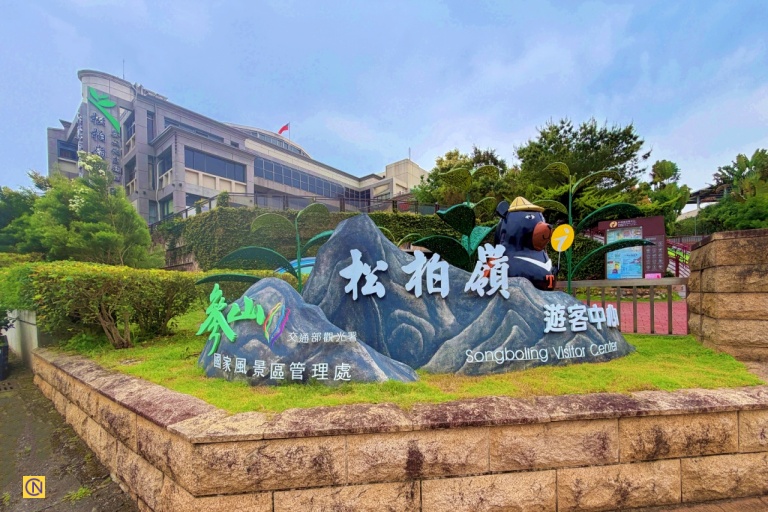
Located in Mingjian Township, Nantou County, within the scenic Bagua Mountain area of the Tri-Mountain National Scenic Area, the Songboling Visitor Center serves as both a tourist information hub and a gateway to Taiwan’s rich tea culture.
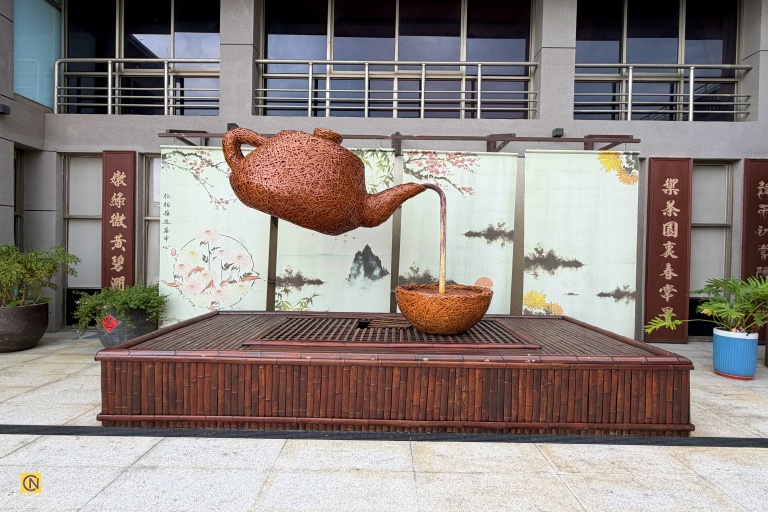
To showcase the region’s unique tea heritage, the Songboling Visitor Center was transformed into a Tea Culture Theme Hall in 2021. Its innovative design earned Silver Awards in Interior Design at both the 2022 NOVUM Design Award (France) and the 2022 MUSE Design Awards (United States). Today, the center combines tourism, education, culture, and interactive experiences under one roof.
(Image: Billy Shyu via Nspirement)
A tea region with more than 300 years of history
Songboling, formerly known as Songboling Pit, derives its name from the pine and cypress trees that once covered the surrounding hills. Blessed with fertile red soil, abundant sunshine, and significant day-night temperature differences, the area offers ideal conditions for tea cultivation.
Tea planting in Songboling dates back to 1723 during the Qing Dynasty. Over the past three centuries, it has grown into one of Taiwan’s most important tea-producing regions. In 1975, former Premier Chiang Ching-kuo was so impressed by the local tea that he named it “Songboling Evergreen Tea,” helping establish the region’s national reputation. Today, Songboling remains one of Taiwan’s largest tea-growing areas.
Beginning the journey with Taiwan’s Largest Tea Ball
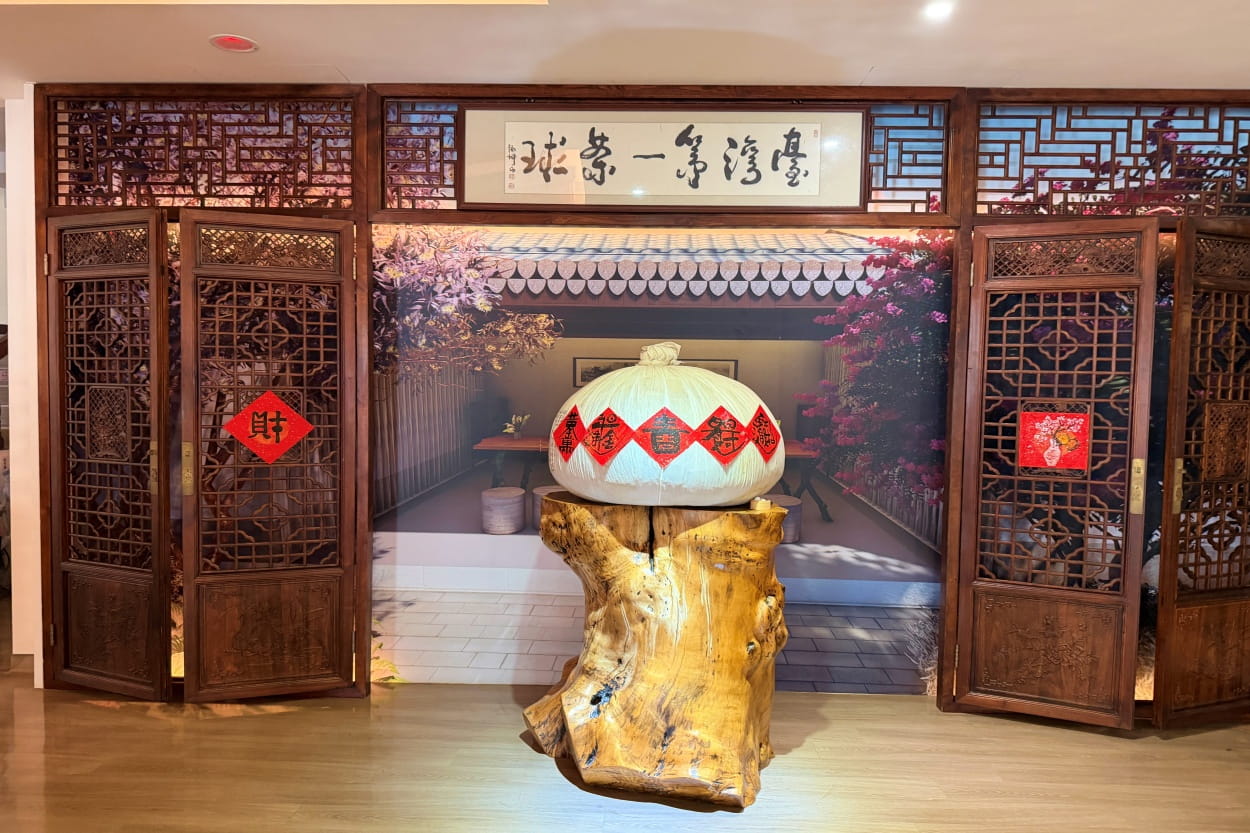
Visitors entering the Tea Culture Theme Hall are immediately greeted by the famous “Taiwan’s Largest Tea Ball,” weighing 168 kilograms (370 catties). The number 168 is considered highly auspicious in Taiwanese and Chinese culture because its pronunciation, yī liù bā, sounds similar to the phrase yī lù fā (一路發), meaning “prosperity all the way.” The giant compressed tea ball has become one of the center’s most popular attractions.
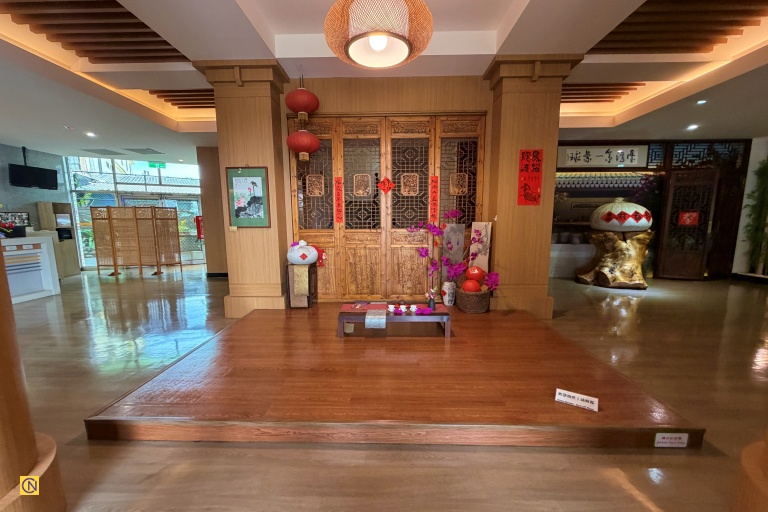
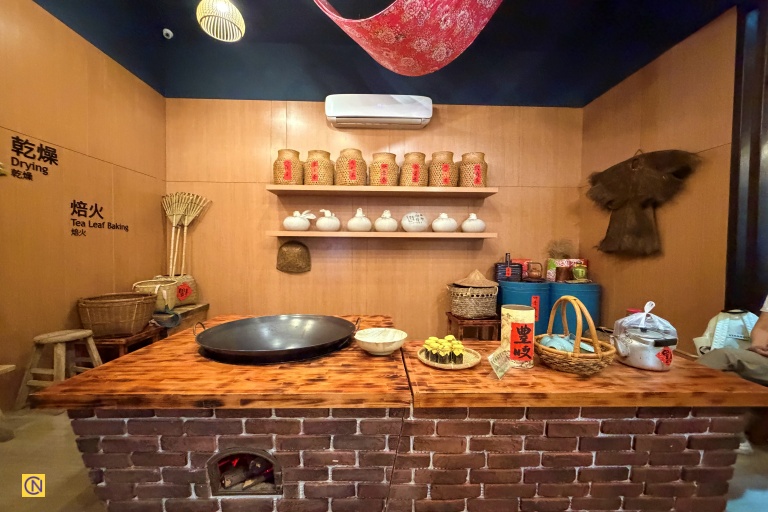
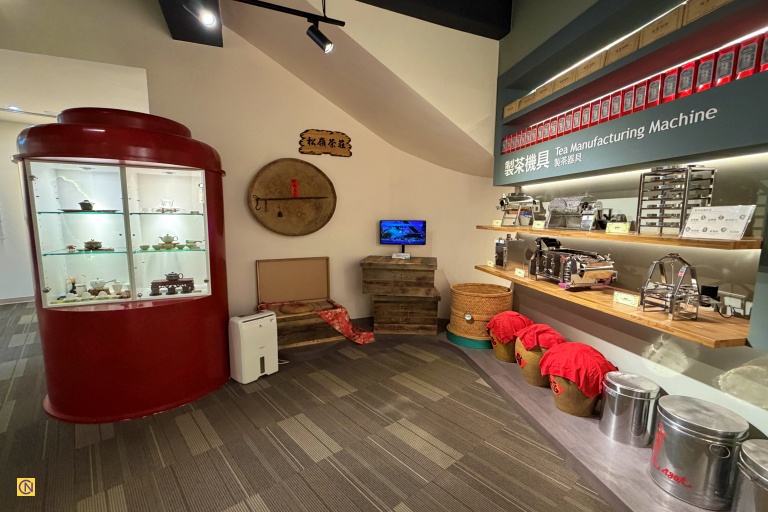
The first floor introduces Taiwan’s tea industry, tea-growing regions, tea varieties, and tea-processing techniques. Interactive exhibits include miniature tea-making machines that actually operate, allowing visitors to observe every stage of tea production — from harvesting and withering to rolling and drying. Historic tea-picking and tea-making tools are also displayed, offering a glimpse into Taiwan’s tea-making traditions.
Exploring the world of tea
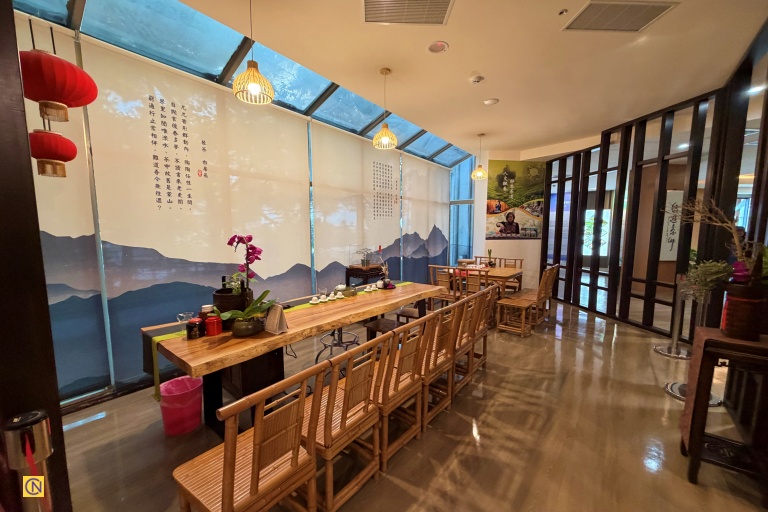
The second floor extends the journey beyond Taiwan by introducing the world’s major tea-producing regions and the six major tea categories: green, yellow, white, oolong, black, and dark.
One of the highlights is the Aroma Experience Zone, where visitors can compare the fragrances produced by different levels of tea fermentation. The experience provides a fascinating introduction to the complexity and diversity of tea.
A unique six-senses tea experience
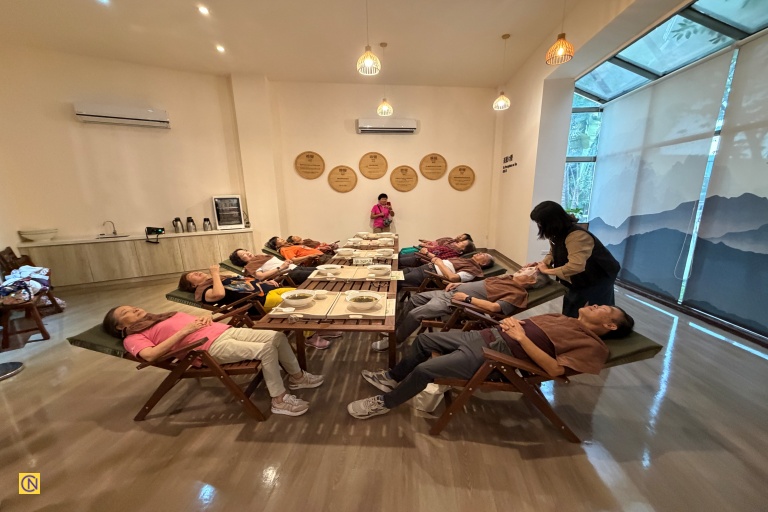
Among the center’s most distinctive programs is the “Tea Six Senses Experience,” an immersive activity that engages the senses of sight, smell, taste, hearing, and touch, as well as mindfulness.
Participants can try tea roasting, observe tea leaves unfurling, enjoy tea aromas, taste freshly brewed tea, and even experience a tea-inspired spa treatment using frozen tea leaves. More than simply drinking tea, visitors are invited to slow down and appreciate the harmony between nature, culture, and well-being.
A living showcase of Taiwan’s tea heritage
Today, the Songboling Visitor Center is far more than a visitor information station. It has become an important platform for preserving and promoting Taiwan’s tea culture. Through exhibitions, educational displays, sensory experiences, and tea ceremonies, the center offers visitors an engaging introduction to one of Taiwan’s most treasured traditions.
For travelers seeking to discover the heart of Taiwan’s tea country, the Songboling Visitor Center provides an unforgettable journey into the history, artistry, and aroma of Taiwanese tea.
Follow us onX, Facebook, or Pinterest
