
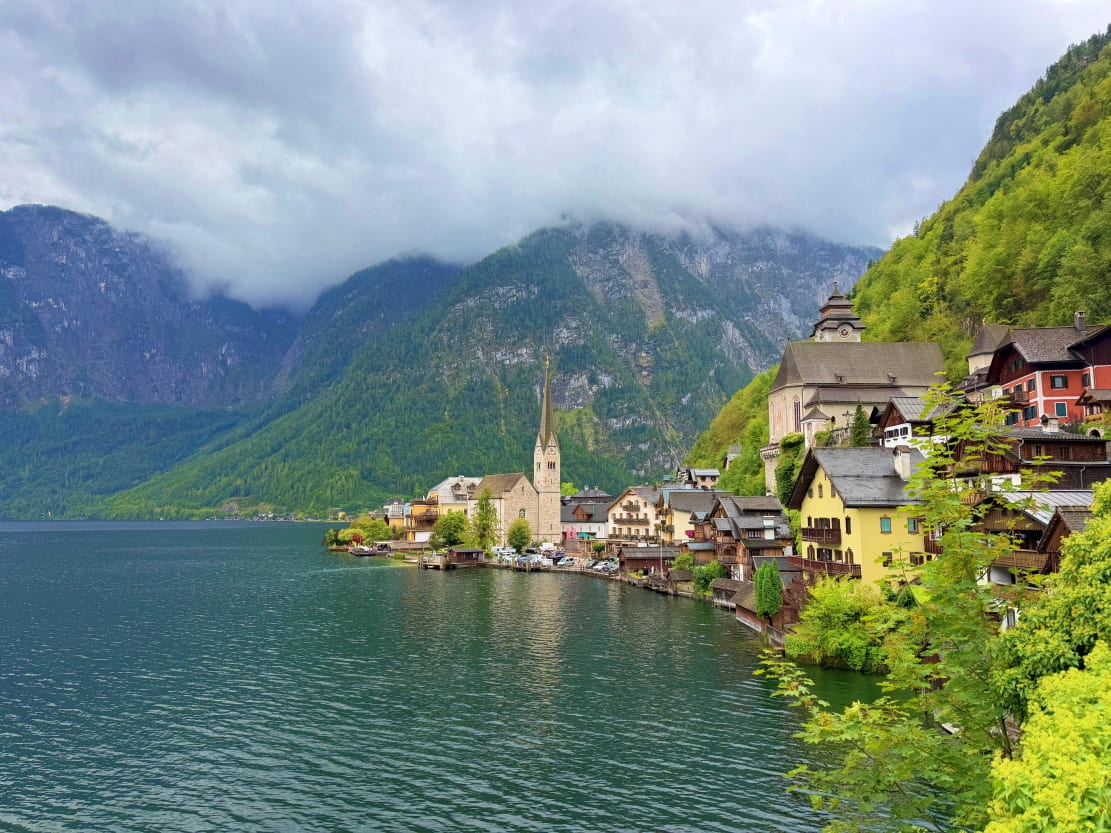
Nestled in the Austrian Alps, Hallstatt is a picturesque lakeside village that seems to have stepped straight out of a fairy tale. Majestic mountains rise behind the village, while crystal-clear waters reflect traditional houses along the shore. Its postcard-perfect scenery has made this village one of Austria’s most iconic destinations.
A lakeside village surrounded by mountains
Hallstatt lies on the western shore of Lake Hallstatt, surrounded by the spectacular Alpine landscape. The village stretches along the narrow lakeshore and hillside, where colorful and traditional houses blend beautifully with the surrounding mountains.
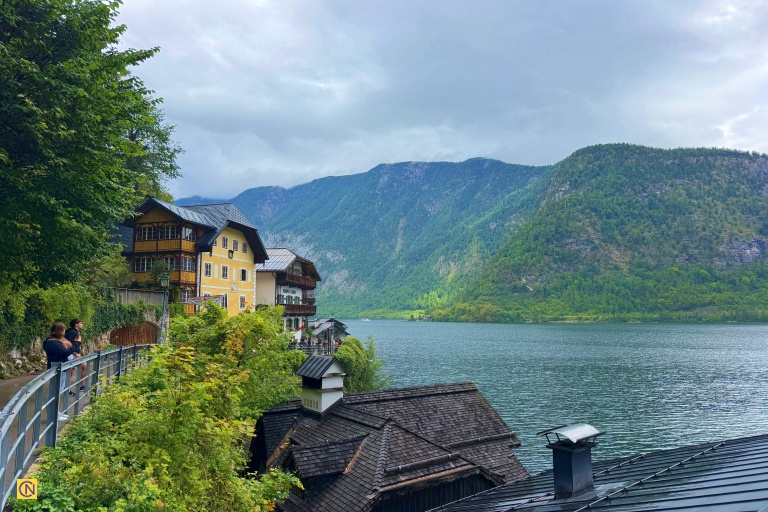
Along the waterfront, visitors can watch boats glide peacefully across the lake as the surrounding peaks rise dramatically in the distance. On a clear day, the calm water mirrors the mountains and village, creating an unforgettable Alpine panorama.
More than 4,500 years of history
Hallstatt is far more than a beautiful tourist destination. With a history spanning more than 4,500 years, people have inhabited the area since prehistoric times. Its abundant salt deposits played a crucial role in the settlement’s development.
Archaeological discoveries, including numerous prehistoric artifacts and burial sites, have revealed a sophisticated Iron Age culture. The term “Hallstatt Culture” comes from the archaeological discoveries made here and has become an important reference in the study of prehistoric Europe.
Salt: The source of Hallstatt’s prosperity
Salt has shaped Hallstatt’s history for thousands of years. The local salt mines are considered among the oldest known salt-mining areas in the world. Salt once served as a valuable trading commodity and helped transform this remote Alpine settlement into a prosperous community.
Today, visitors can explore the Hallstatt salt mine and learn about ancient mining techniques and the lives of the people who worked there. A cable car ride also offers spectacular panoramic views over the lake, village, and surrounding mountains.
A UNESCO World Heritage Site
UNESCO inscribed the Hallstatt-Dachstein/Salzkammergut Cultural Landscape on the World Heritage List in 1997. The designation recognizes not only the village’s archaeological and cultural importance, but also the remarkable relationship between its mountains, lakes, and centuries of human settlement.
Visiting Hallstatt, therefore, means experiencing much more than a beautiful village. It means discovering a cultural landscape shaped by both nature and human civilization over thousands of years.
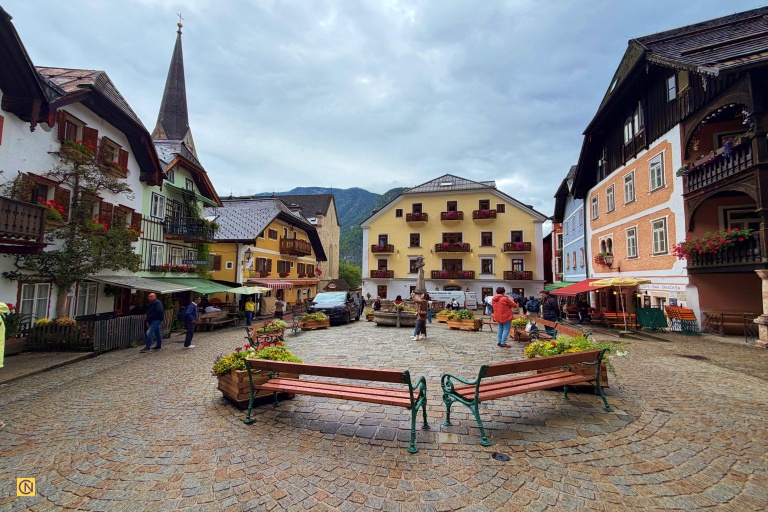
Discovering the charm of the village
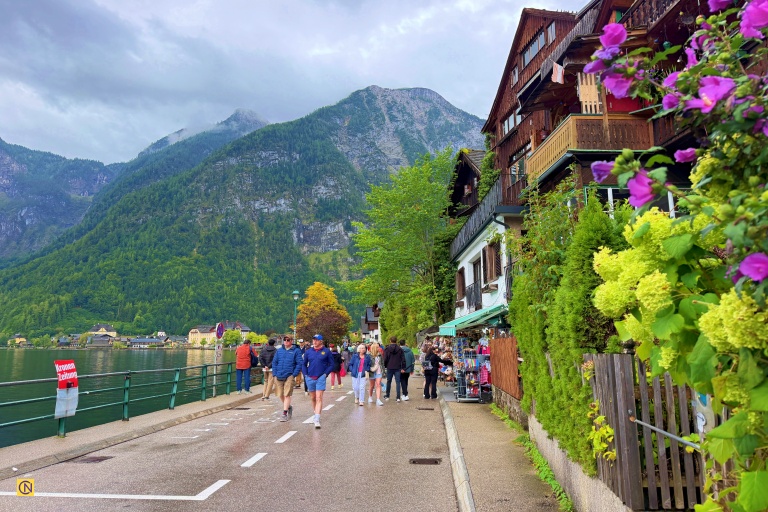
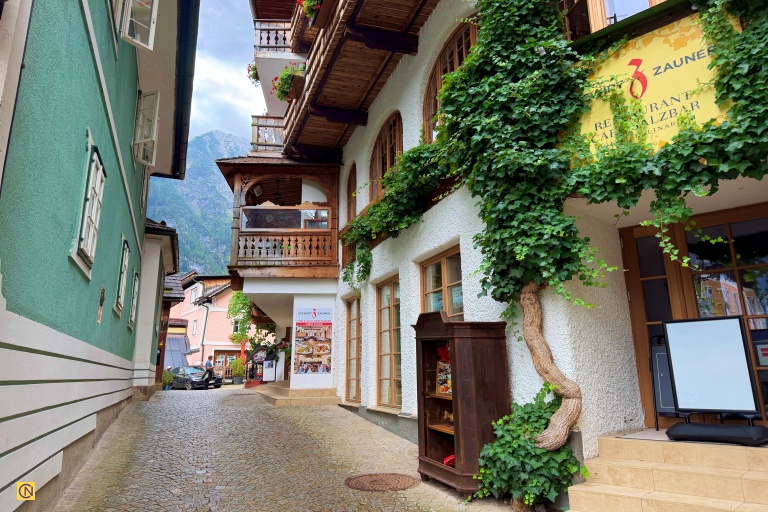
Much of Hallstatt’s charm lies in its intimate details. A stroll along the waterfront reveals historic churches, traditional homes, small shops, and inviting cafés. The Church of the Assumption of Mary, perched on the hillside, is one of the village’s most recognizable landmarks, with its distinctive tower overlooking the lake.
Although Hallstatt is small, it rewards those who take the time to explore it slowly. The tranquil morning lake, warm afternoon sunlight, and soft evening colors over the mountains each offer a different perspective of this enchanting village.
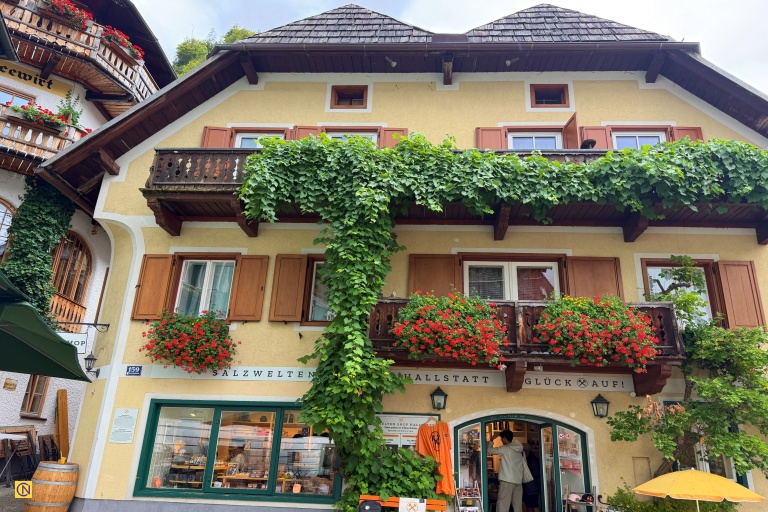
An alpine gem to be savored
Hallstatt brings together the Alps’ grandeur, the lake’s serenity, the fascinating history of salt mining, and thousands of years of cultural heritage. Its beauty is not merely picturesque — it is a beauty shaped by time.
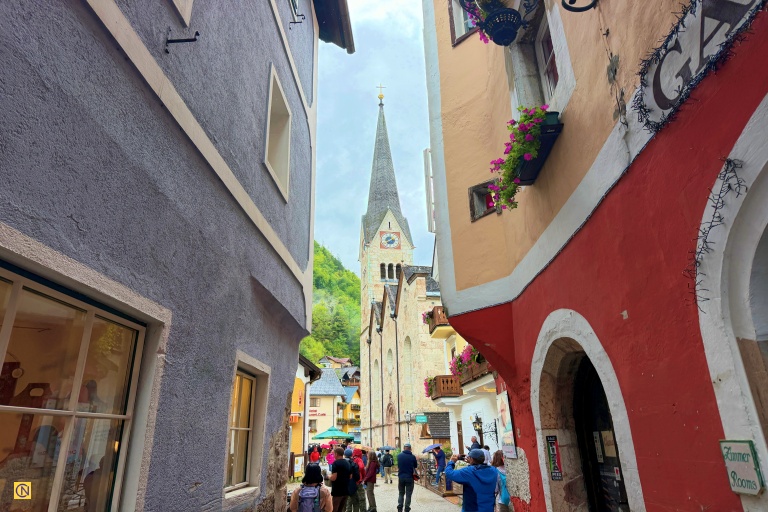
With mountains reflected in the calm waters and centuries-old houses quietly clinging to the hillside, visitors may feel as though they have stepped into a living painting. This Austrian gem, embraced by mountains and lakes, is a place to visit, experience, and remember.
Follow us on X, Facebook, or Pinterest
