

In today’s hyper-connected world, the pursuit of teen wellness is evolving at a dizzying pace. Where once adolescence was shaped by sports, friendships, and the struggle for enough sleep, it is now a dynamic environment shaped by meditation apps, influencer advice, and endless scrolls through TikTok’s mental health corners. The focus on wellness has never been so prominent — nor, paradoxically, so pressurized. This new era begs the question: Is the tidal wave of teen wellness resources truly supporting teens, or has it become yet another source of stress?
How social media reshapes self-image and peer validation for teens
Social media platforms like Instagram, Snapchat, and TikTok have fundamentally reshaped how teenagers perceive themselves and others. In the digital age, the careful curation of one’s online persona rivals the importance of any handwritten diary or cherished yearbook photo of the past. The stakes are not merely personal; they are public, interactive, and relentless. According to studies from the Pew Research Center, nearly 60 percent of teens report feeling pressured to present themselves as their best online.
This metric-heavy self-presentation means that young people increasingly equate self-worth with likes, shares, and comments. The result is a distorted sense of self-image and peer validation, as if their true worth can be distilled from an algorithm. While digital platforms offer avenues for creative expression and connection, they also exact a steep psychological price, demanding constant comparison and approval.
The rise of teen wellness brands: Helpful or harmful commercialization?
Moving seamlessly from digital validation to consumer culture, we see another dominant force shaping teen wellness today — the commercialization of well-being. With products ranging from CBD skincare regimens to stylish mindfulness journals, wellness brands have zeroed in on Gen Z as a lucrative market. On the surface, this offers unprecedented access to mental health tools and resources previously harder to obtain.
Yet, beneath these positive intentions lurks a nuanced danger: aggressive marketing preys on adolescent insecurities, framing emotional growing pains as deficiencies that can be cured through consumption. This commercialization risks cheapening and oversimplifying the complex journey of emotional development. When wellness becomes a consumer pastime rather than a path to self-knowledge, the real work of growing up — building character, cultivating resilience, and seeking genuine support — may be neglected. It’s important to remember that wellness “products” should act as supportive tools, not replacements for authentic relationships and deeper self-understanding.

Influencers and online therapists: Democratizing support or creating a false sense of expertise?
These trends are reinforced by the rise of digital personalities — social media influencers and self-styled therapists — who command massive followings across TikTok and Instagram. For teens, these figures provide accessible and inspiring perspectives in easily digestible content formats. Many teens find solace in platforms that discuss anxiety, depression, and self-esteem openly — topics that may be taboo in their offline environments.
However, this democratization of advice comes with risk. While some digital creators advocate for evidence-based support and meaningful self-care practices, others blur the line between expertise and entertainment, pushing pseudoscience or monetized narratives. Without robust media or health literacy, teenagers can be misled by oversimplified or outright false advice. As such, comprehensive media literacy — which focuses on helping young people critically evaluate digital information — is now as essential as traditional mental health support in nurturing balanced perspectives and informed decisions.
The paradox of wellness apps: Solving anxiety or fueling it?
Transitioning from human influencers to digital interventions, we encounter the booming industry of wellness apps. Platforms such as Calm, Headspace, and Finch promise to guide teens toward tranquility, offering meditations, mood trackers, and daily affirmations to help them achieve a sense of calm. These resources can undeniably foster mindfulness and stress management.
Yet, there is an irony at play: the constant barrage of reminders, streaks, and self-monitoring tools can create new pressures. The imperative to “stay well” morphs into another item on a teen’s never-ending to-do list. When app-driven gamification is prioritized over personal reflection, the result can be heightened anxiety, especially for those who perceive missed goals as failures. To avoid these pitfalls, teens must learn to use such tools judiciously, cultivating self-compassion and boundaries as foundational habits rather than letting technology dictate their emotional rhythms.
The role of schools in promoting balanced digital habits
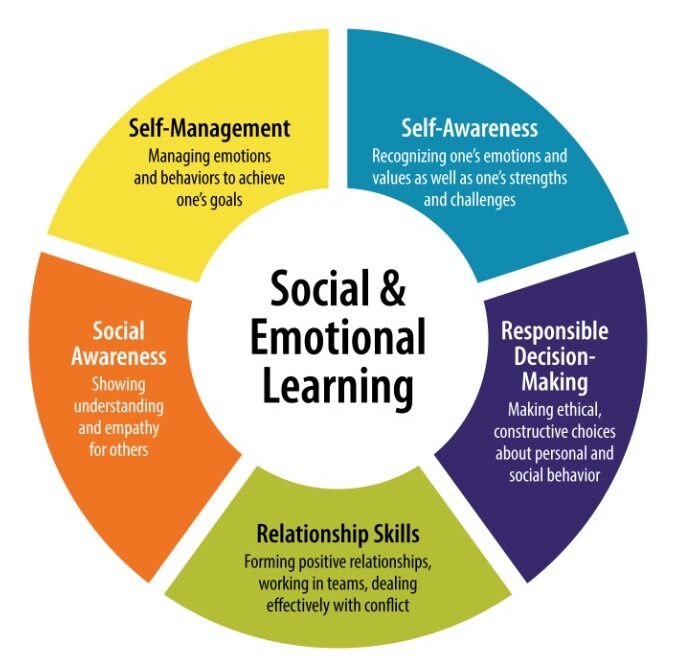
Given the complexity of digital life, many schools are stepping up to address teen wellness within their curricula. Increasingly, programs blend digital literacy with elements of Social and Emotional Learning (SEL). These initiatives encourage mindfulness, healthy screen time management, and online safety, equipping students with practical tools to thrive in digital environments.
However, effectiveness varies. Programs that overly standardize their approach may overlook students’ unique backgrounds and challenges. Engaged dialogue, empathy, and student-led discussions frequently yield greater results than top-down, lecture-style interventions. Schools that foster open conversations — inviting students to share their experiences and struggles — are more likely to create an environment where digital habits are balanced, mindful, and sustainable.
Parents’ role: Bridging generational gaps in digital understanding
Just as schools work to bridge the digital divide, parents are called upon to play an equally critical role. Many feel overwhelmed by the pace of change and bewildered by the complexity of platforms their children navigate effortlessly. Yet, genuine connection is not achieved through policing screen time or imposing blanket restrictions.
By cultivating open communication and modeling curiosity, parents can reposition themselves as trusted allies. When teens see that parents are willing to learn about digital culture alongside them, it fosters trust and invites dialogue. Crucially, understanding the unique pressures that digital life imposes — as opposed to merely understanding the platforms themselves — fosters empathy and strengthens the parent-child relationship.
The impact of constant connectivity on rest, focus, and mental space
An ever-present digital life impacts not only the psyche but also the body. Studies show that a significant majority of teens report bringing their smartphones to bed, sacrificing sleep, and diminishing their capacity for rest and renewal. Interruptions from late-night notifications disrupt natural rhythms, while the blurring of online and offline life fragments attention and erodes the mental space necessary for focus and creativity. To counteract these trends, it is essential to reframe boundaries not as restrictions but as acts of self-respect — ways to recover, recharge, and return to life more present and engaged.
Peer pressure in the age of curated perfection
If digital life reshapes internal well-being, it also amplifies external pressures. Today’s teens face a truly 24/7 version of peer comparison, thanks to a steady stream of highlight reels and viral challenges. The result is heightened FOMO (fear of missing out), aesthetic envy, and the compulsion to conform to fleeting trends.
Navigating this environment requires authenticity, both modeled and rewarded. Only when teens witness genuine conversations and imperfections can they begin to disentangle themselves from the trap of curated perfection.

The future of teen wellness: AI companions, VR therapy, and beyond
Looking forward, technology promises to deliver even more personalized and immersive wellness experiences. Artificial intelligence-driven companions, VR meditation sessions, and digital therapy platforms are already entering the scene. For underserved populations, these innovations offer hope for expanded access; for all, they present new ethical and dependency questions. Ultimately, the challenge will be to ensure that technology amplifies, rather than replaces, human connection and community support.
Conclusion: Teen wellness in the digital age means finding a proper balance
Teen wellness in the digital age remains a double-edged sword. Each tool holds promise but also peril, depending on intent, awareness, and integration into daily life. Empowering the next generation isn’t about embracing or rejecting technology outright; it’s about fostering environments — both online and off — that encourage authenticity, meaningful connections, and self-reflection.
At its core, wellness comes from the age-old principles of truthfulness, compassion, and forbearance. When young people are supported in embodying these values, and when digital tools are used without sacrificing balance and human connection, teens are not just protected — they are empowered to thrive.
Follow us on X, Facebook, or Pinterest
