
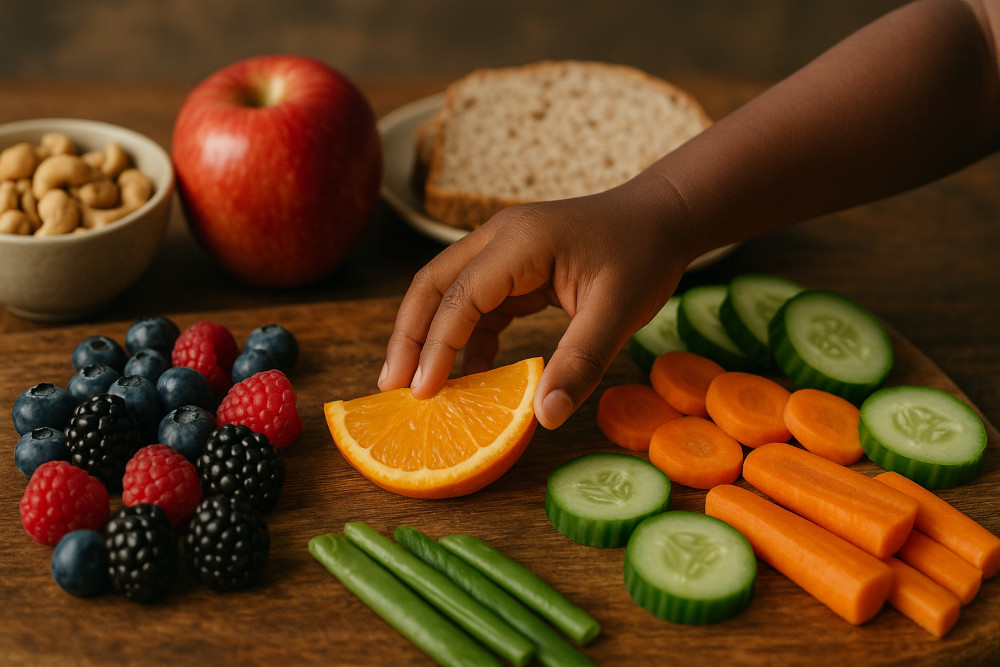
Parents often worry about sugar highs and picky eaters, but a deeper concern many families overlook is the significant impact of childhood eating habits on long-term heart health. According to Dr. Sanjay Bhojraj, a board-certified interventional cardiologist and father of three, childhood eating habits play a significant role in long-term heart health. What we feed our children today can shape their risk of heart disease tomorrow.
Let’s explore the five foods Dr. Bhojraj says he never allows on his family’s dinner table — and what you can serve instead.
1. Skip the microwave popcorn
Microwave popcorn may seem like a quick and harmless snack, but it often comes with a hidden dose of toxic chemicals. The interior lining of the bag can contain PFAS (per- and polyfluoroalkyl substances) — nicknamed “forever chemicals” because they don’t break down in the body or the environment. These compounds are linked to immune dysfunction, developmental delays, and even certain cancers.
The artificial butter flavoring in some brands also contains diacetyl, a compound associated with lung damage.
A smarter swap: Make your own stovetop or air-popped popcorn at home. Drizzle it with melted butter or a touch of heart-healthy olive oil and a sprinkle of sea salt for a delicious — and safe — alternative.
2. Don’t be fooled by flavored yogurt
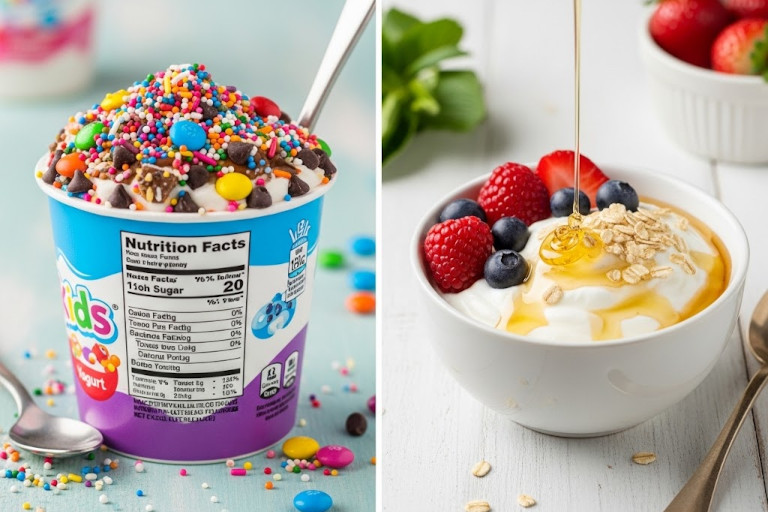
Yogurt marketed to children may appear healthy due to its protein and calcium content, but many varieties are loaded with added sugars and artificial colors. These seemingly healthy snacks can actually contribute to insulin resistance, weight gain, and metabolic issues in children.
Try this instead: Plain Greek yogurt paired with a drizzle of local honey and fresh berries. It’s equally satisfying and full of natural probiotics and antioxidants, without the sugar crash.
3. Say no to processed meats
Hot dogs, deli slices, and bacon are popular lunchbox staples — but they’re also among the worst offenders for long-term heart health. These meats often contain high levels of sodium, nitrates, and preservatives, all of which increase the risk of cardiovascular disease and even cancer.
Dr. Bhojraj warns that these compounds damage endothelial function, a process critical to maintaining healthy blood vessels. They also interfere with nitric oxide, a molecule essential for regulating blood pressure.
A better choice: Serve unprocessed lean proteins like grilled chicken, grass-fed beef, or plant-based options like lentils, chickpeas, and quinoa. These provide essential nutrients without the toxic load.
4. Ditch sugary cereals and drinks
Most cereals marketed to kids are sugar bombs in disguise. Pediatric metabolism expert Dr. Robert Lustig points out that a typical child’s breakfast can contain more sugar than their bodies can safely process in three days. Add a sugary juice box, and the damage compounds.
What to serve instead: Opt for a breakfast of whole fruits, eggs, and sautéed vegetables. Or blend up a smoothie with avocado, spinach, berries, chia seeds, and unsweetened almond milk — a quick, nutrient-dense start to the day.
5. Cut out fried foods
The crispy texture of French fries or fried chicken may be irresistible, but these foods are typically cooked in reused industrial oils at dangerously high temperatures, creating harmful substances like acrylamides and advanced glycation end products (AGEs). These compounds are known to fuel inflammation — a key player in heart disease.
What’s more, Dr. Bhojraj says fried foods train kids’ palates to crave unhealthy textures and flavors, making it harder to introduce healthy alternatives later.
Healthier alternative: Use an air fryer to crisp up sweet potato fries, kale chips, or zucchini sticks. These give that satisfying crunch without the health risks.

What heart-healthy foods should kids eat instead?
According to the American Heart Association (AHA), a heart-smart diet isn’t just about what you cut out — it’s about what you add in. Their 2021 dietary guidelines emphasize a colorful, balanced plate:
- Fruits and vegetables in a rainbow of colors. The more vibrant, the better — think purple grapes, red bell peppers, and orange carrots. Each hue provides unique phytonutrients that protect against cardiovascular disease.
- Whole grains should be listed first on any ingredient list. Choose 100 percent whole grain breads, brown rice, and oats.
- Low-fat or fat-free dairy options, like milk and yogurt, provide calcium without excess saturated fat.
- Limit red meat and replace it with lean poultry or plant-based proteins.
- Use healthy oils like olive, canola, sunflower, or soybean oil instead of butter, lard, or tropical oils like coconut and palm.
Small changes in your child’s daily meals can make a big difference over a lifetime.
Final thoughts
It’s true: healthy eating is about progress, not perfection. But by making just a few thoughtful shifts in your family’s diet now, you can equip your children with habits that will safeguard their hearts for decades to come. Moving beyond these five problem foods isn’t simply about eliminating unhealthy choices; it’s about giving your child a powerful head start on long-term health and well-being. Laying this groundwork in childhood is key to a healthy heart that lasts a lifetime.
Translated article
Follow us on X, Facebook, or Pinterest
