

Soda is more than just a beverage — it’s a global habit. Billions of bottles are sold each year, with people reaching for a Coke during meals, celebrations, or just as a quick pick-me-up. Especially in the summer, few things seem more refreshing than an ice-cold soda. But behind that satisfying fizz is a chain reaction inside the body that most people never consider. Here’s a closer look at what happens in the hour after drinking a bottle of Coke.
10 minutes after drinking
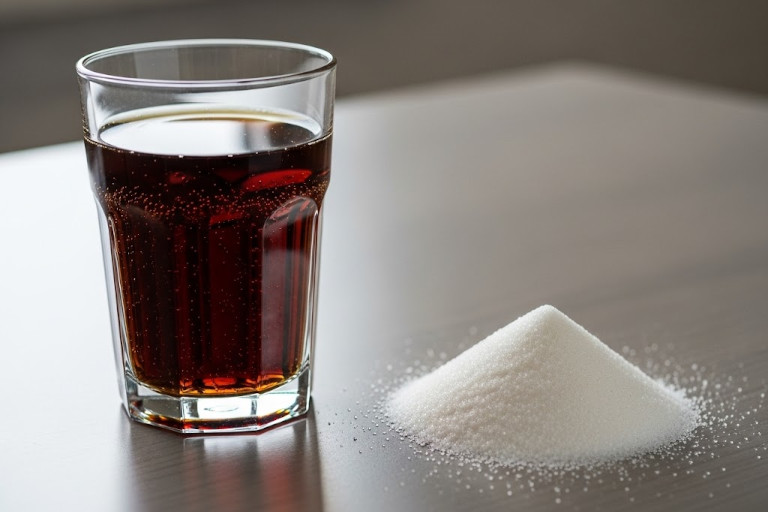
In just ten minutes, you’ve consumed around 10 teaspoons of sugar — your entire recommended daily intake in one go. Under normal circumstances, this much sugar would overwhelm your system, triggering nausea or even vomiting. But phosphoric acid in the soda helps mask the overwhelming sweetness, allowing the sugar to pass unnoticed.
20 minutes after drinking
Your blood sugar spikes, and your pancreas rushes to release insulin. In response, your liver works overtime to convert all that excess sugar into fat — particularly the kind that’s hard to burn off. This is one way regular soda consumption can contribute to weight gain and metabolic disorders.
40 minutes after drinking
By now, the caffeine has been mostly absorbed. Your pupils dilate, blood pressure rises, and your liver releases even more sugar into your bloodstream. Meanwhile, caffeine blocks adenosine receptors in your brain, preventing you from feeling tired — though it doesn’t actually restore your energy. It’s a chemical illusion of alertness.
45 minutes after drinking
Your brain begins releasing more dopamine, the same “feel-good” chemical involved in the brain’s reward system. This creates a temporary sense of pleasure and satisfaction. Over time, however, it can lead to dependency, as your brain starts to associate soda with comfort or mood boosts. This mechanism, though not as intense, works in a similar way to how addictive substances affect the brain.
60 minutes after drinking
Now the body starts to pay the price. Certain compounds in the soda, especially phosphates, begin interacting with sodium ions in your bloodstream. This triggers a reaction that displaces calcium, causing it to be flushed out through the kidneys along with magnesium and zinc. All three of these minerals are essential for maintaining bone strength, nerve function, and cellular repair.
At this stage, caffeine’s diuretic effects kick in, increasing your urge to urinate. Along with water, your body loses important electrolytes and minerals. Worse still, both sugar and artificial sweeteners can accelerate calcium loss during urination, potentially raising your risk for kidney stones over time.

After the buzz fades
By the time you’ve finished urinating, the water from the soda is gone — but its more harmful components remain. As your blood sugar and dopamine levels drop, you may start to feel irritable, tired, or sluggish. And that’s when the craving for another soda can begin. It’s a cycle that’s easy to fall into and hard to break.
A better choice for your body
We’ve long known that soda isn’t a healthy choice, but understanding how your body reacts in real-time helps paint a clearer picture of its impact. Regular consumption doesn’t just lead to weight gain — it can also deplete essential nutrients, disrupt energy levels, and encourage unhealthy habits.
So the next time you’re tempted to grab a bottle of Coke, consider reaching for water instead. It may not come with a sugar rush, but it gives your body what it truly needs — hydration without the harm.
Translated by Cecilia
Follow us on X, Facebook, or Pinterest
