
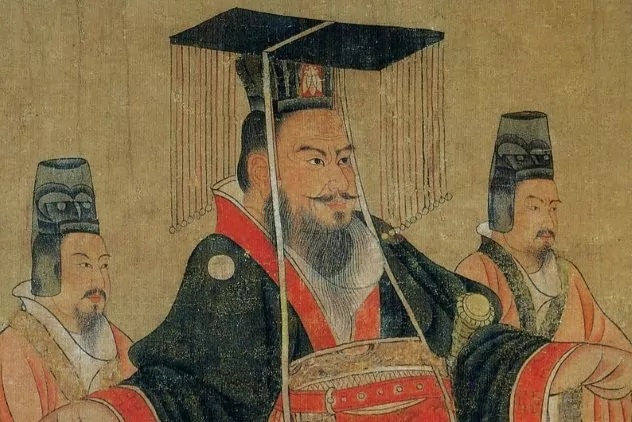
Emperor Wu of Han, Liu Che, was a ruler of extraordinary ambition and vision. Under his reign, the Han Dynasty’s territory nearly doubled, and the prestige of the Chinese state reached distant lands. Yet in his later years, relentless wars and massive construction projects drained the treasury, stirred public resentment, and fueled widespread banditry. The infamous “witchcraft calamity” — a palace purge sparked by accusations of sorcery and plots against the emperor — resulted in the deaths of Empress Wei and the crown prince, implicating tens of thousands.
As if the empire’s troubles weren’t enough, his trusted general Li Guangli defected to the Xiongnu, handing a major victory — and a personal betrayal — into enemy hands. These successive blows plunged Emperor Wu into profound remorse.
Making amends
In the fourth year of Zhenghe (89 BCE), after performing the Fengshan ceremony at Mount Tai, a sacred ritual in which emperors offered sacrifices to heaven and earth to affirm their divine right to rule, Emperor Wu addressed his ministers: “Since ascending the throne, I have committed many reckless and misguided acts, causing suffering to the people. I regret this deeply. From now on, any policy that harms the people or wastes the wealth of the empire shall be abolished.”
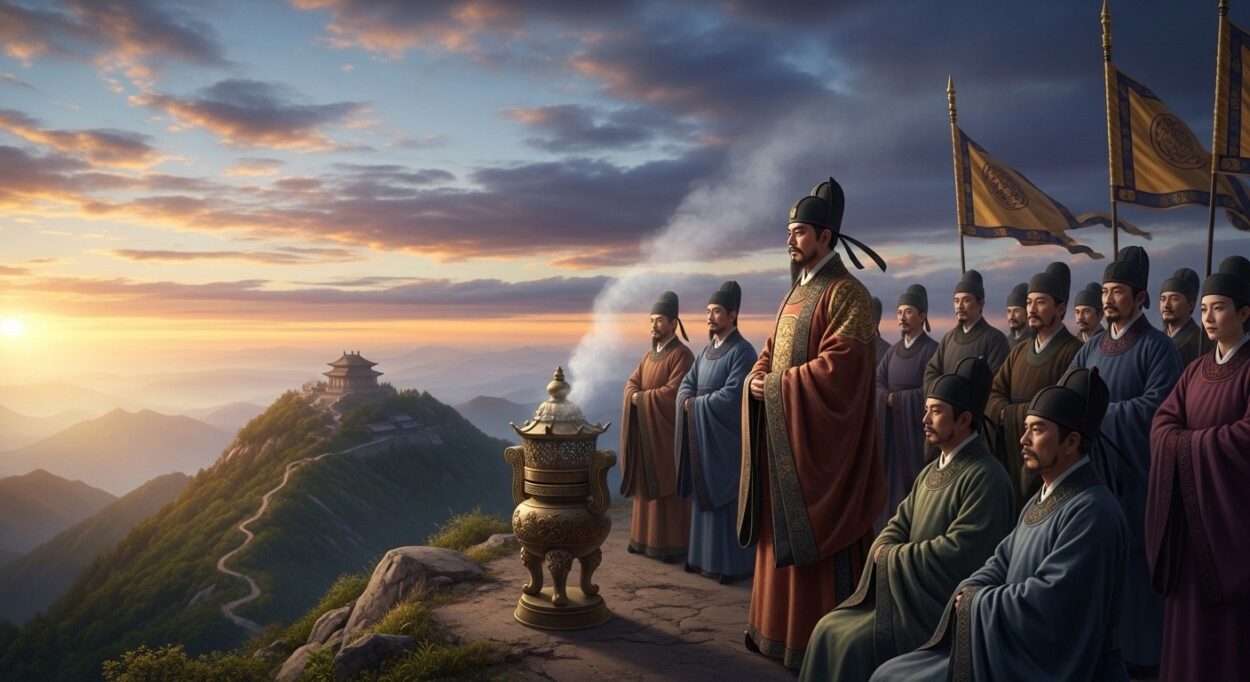
That June, at age 68, he rejected the proposal of Sang Hongyang and others to send soldiers to cultivate land and guard the frontier at Luntai (modern Xinjiang). Instead, he issued a proclamation of self-reflection — the famous “Edict of Self-Reproach”. In it, he acknowledged that raising taxes would burden the weak and vulnerable, lamented the losses of his soldiers, and resolved to spare the people from further distant military campaigns.
He emphasized that officials must not oppress the populace, that unauthorized tax increases must be abolished, and that focus should remain on agricultural development — the very foundation of the empire’s stability and prosperity.
He appointed Chancellor Tian Qianqiu as Marquis of Fumin — a noble title meaning “Marquis Who Enriches the People,” symbolizing rest, prosperity, and the emperor’s commitment to the welfare of his subjects. He also appointed Zhao Guo, an agricultural expert, to promote farming and land recovery.
Emperor Wu also revived the early Han Huang-Lao philosophy, emphasizing minimal interference in daily life and allowing the populace time to recuperate. These measures ushered in what historians call the “Zhaoxuan Revival”, a period of stabilization and benevolent governance in which the empire focused on relief, agriculture, and the well-being of its people after decades of heavy taxation, forced labor, and military campaigns.
Power and responsibility
The fact that Emperor Wu could reflect on his mistakes and openly express his regrets to the people of his empire demonstrates remarkable courage. His subsequent actions confirmed the sincerity of that repentance. In Chinese history, Qin Shi Huang and Emperor Wu of Han are often mentioned together as two of the most powerful rulers. While Qin Shi Huang built a vast empire, his harsh rule left it vulnerable, and it quickly collapsed after his death.
By contrast, Emperor Wu tempered his authority with reflection and reform, learning from his mistakes and guiding the Han Dynasty toward a more stable and humane course, thereby avoiding the fate of rulers who ignored their faults.
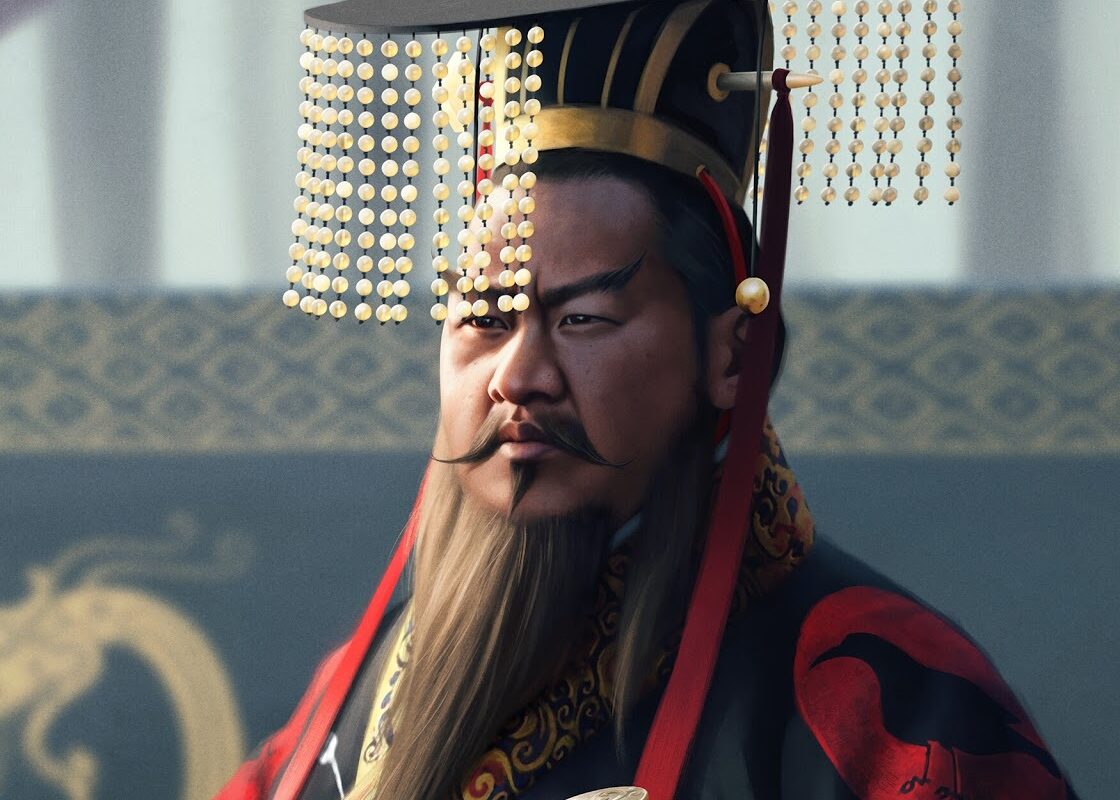
Emperor Wu’s edict became the first fully preserved “Edict of Self-Reproach” in Chinese history. By issuing it, he turned personal reflection into a formal precedent for governance. Later emperors — such as Han Mingdi, Tang Taizong, Song Lizong, Ming Xizong, and Qing Yongzheng — followed this example. Whenever a ruler committed serious errors that harmed the state or the people, he would issue such an edict to publicly acknowledge his faults and demonstrate accountability.
By contrast, the Chinese Communist Party (CCP), despite causing immense suffering and innumerable tragedies, has never publicly admitted its wrongdoings. Instead, it continues to project an image of infallibility and righteousness. This stark difference highlights just how rare — and historically significant — Emperor Wu’s act of repentance truly was.
Ultimately, Emperor Wu’s example shows that true leadership is measured not by power or authority, but by the courage to confront one’s mistakes and act for the welfare of the people. His legacy proves that accountability, humility, and moral courage endure across the ages, remembered as guiding lights, while unchecked power and cruelty leave nothing but suffering, regret, and a tarnished place in history.
Translated by Cecilia and edited by Tatiana Denning
Follow us on X, Facebook, or Pinterest
