
Open the wellness corner of any social feed today, and you will likely meet berberine. It has been crowned “Nature’s Ozempic.” It promises blood sugar control, weight loss, and mental clarity. Influencers count off their uses with the breathless certainty of a discovery just made.
Yet the bright yellow alkaloid behind every one of those videos has been quietly at work in Chinese pharmacies for more than 2,000 years. It comes from a bitter mountain root called huanglian (黄连), the Chinese goldthread. Long before berberine had a clinical name, traditional Chinese medicine (TCM) had spent generations learning what its bitter, cold nature could do for the body.
This is the story of that root: where it grows, why Chinese physicians have prized it for centuries, and what modern research is now saying about the alkaloid that gives huanglian its distinctive golden glow. Take it as an invitation to slow down before the next supplement label and meet the herb itself, patient, bitter, and far older than the trend.
What is huanglian, the Chinese goldthread?
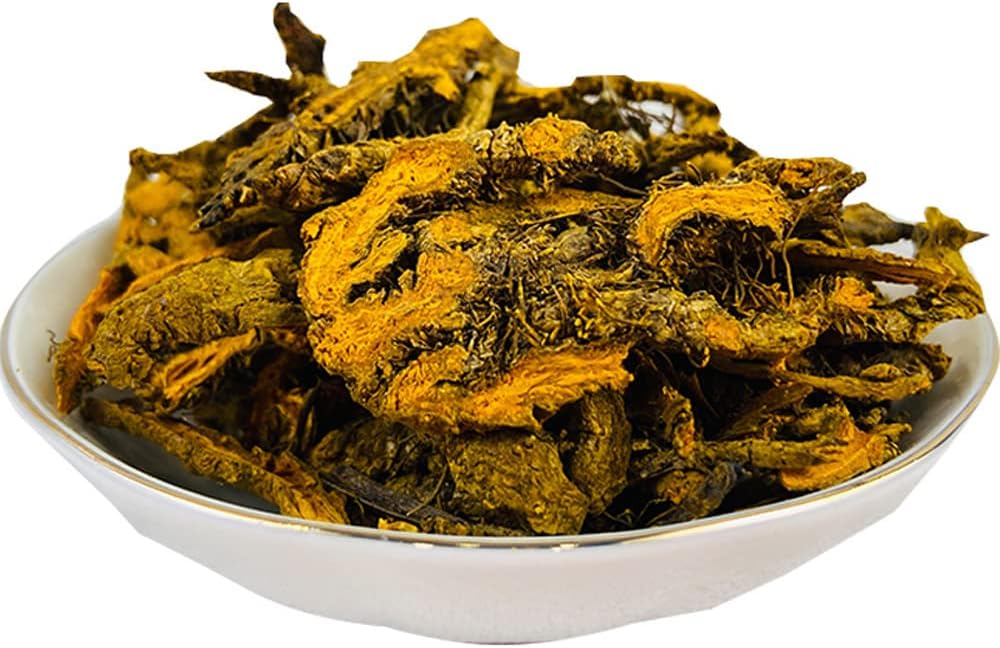
Huanglian, known in English as Chinese goldthread, is the dried rhizome of Coptis chinensis and a few closely related species. It is one of the most respected herbs in the traditional Chinese pharmacopeia, used for at least 2,500 years to clear heat, dry dampness, and detoxify the body. Its name in Chinese, 黄连, huánglián, literally “yellow link”, describes the segmented yellow rhizome, knotted like a chain of golden beads.
A mountain plant in the buttercup family
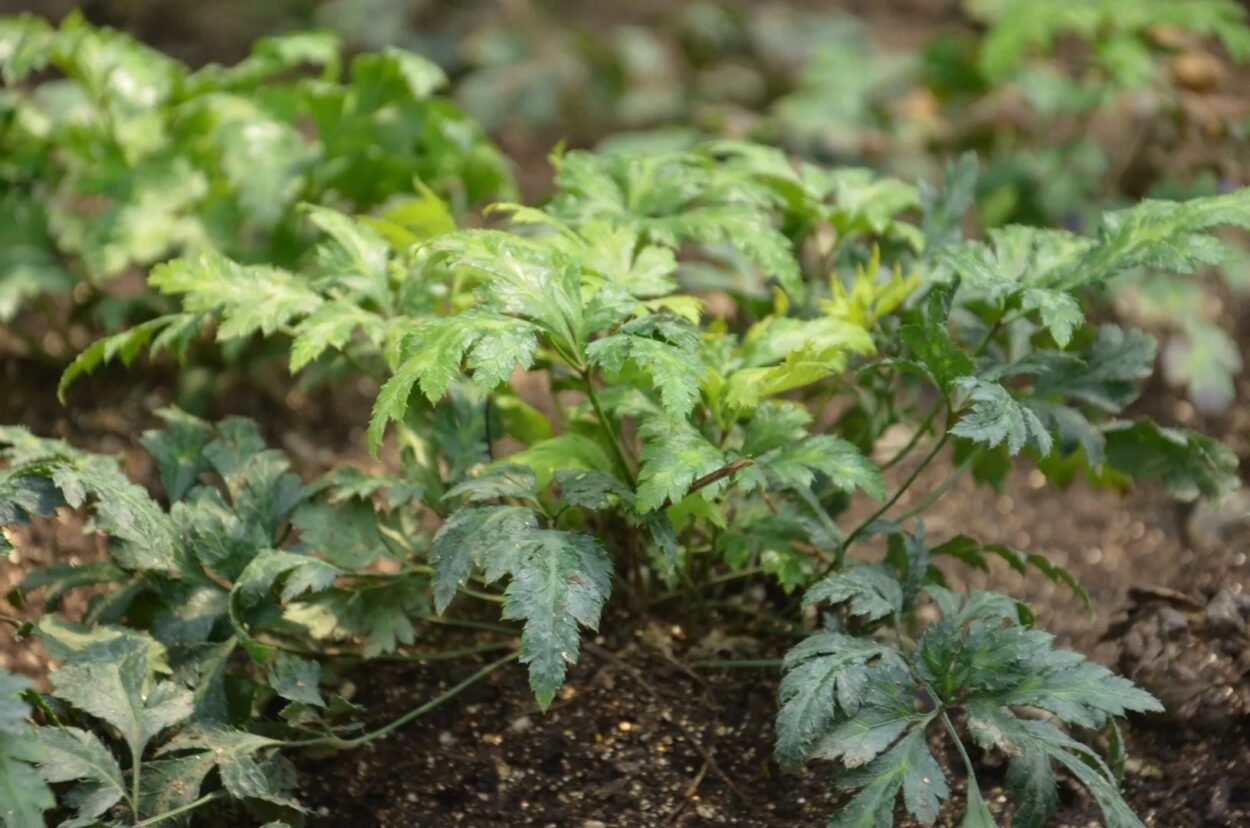
Goldthread is a low, modest plant. It grows in cool forested mountains across central and southern China, in Sichuan, Hubei, Yunnan, and parts of the Qinling range. Its small leaves and pale flowers belong to the buttercup family, Ranunculaceae. The medicine, however, lies underground. The rhizome is dug up, washed, and dried until it cracks open, revealing an intense yellow interior, the color of the alkaloids it carries.
Wild goldthread once grew abundantly on Mt. Emei, the famous Buddhist mountain in Sichuan, where collectors used to climb ropes to reach one another through steep limestone clefts. Today, most huanglian comes from cultivated farms, since wild stocks have been heavily depleted by centuries of demand.
Three Coptis species in the TCM pharmacopeia
In traditional Chinese medicine, the term huanglian refers to three closely related species: Coptis chinensis, Coptis deltoidea, and Coptis teeta. Their actions are nearly identical, with subtle regional differences in potency and aroma. Coptis chinensis is the most common, and the one usually meant when modern texts say “huanglian.” All three are listed in the Chinese Pharmacopeia under the same Chinese name.
2,500 years of use in TCM
Few herbs are quoted as often or as reverently in classical Chinese texts as huanglian. To understand why berberine is everywhere on social media today, it helps to understand why goldthread mattered so much for so long.
Shen Nong’s “Choice Herb”
The earliest known reference appears in Shennong Bencao Jing (神农本草经), the Materia Medica of Shen Nong, one of the oldest surviving texts of Chinese herbal medicine, compiled around the first or second century CE, based on a much older oral tradition. Shen Nong, the legendary Divine Farmer who was said to have personally tasted hundreds of herbs to learn their properties, listed huanglian among the upper-grade medicines: those reliable, restorative, and safe for regular use.
Sixteen centuries later, Li Shizhen reaffirmed huanglian’s status in the Bencao Gangmu (本草纲目, Compendium of Materia Medica), the great encyclopedic work of Chinese pharmacology. Records from the Annals of Emei County note that during certain dynasties, wild huanglian from Mt. Emei was traded by weight at prices comparable to silver. It was neither cheap nor a casual herb. It was the one a careful physician reached for when the body was burning. In that respect, huanglian sits comfortably alongside other prized herbs in the tradition, including the legend of the lingzhi mushroom of immortality.
Bitter cold: How TCM classifies huanglian
Traditional Chinese medicine classifies herbs by their nature (hot, warm, neutral, cool, cold) and their taste (sour, bitter, sweet, pungent, salty). Huanglian is intensely bitter and very cold. In the TCM framework, that combination drains heat from the body and dries internal dampness, the kind of damp, heavy, inflamed quality that shows up as digestive disorders, oozing skin conditions, restlessness, or fevers that will not break.
Huanglian is also said to enter four channels: the heart, liver, stomach, and large intestine. That broad reach is part of why classical formulas use it across so many conditions. Cooling herbs like huanglian sit in the same family of remedies as traditional Chinese teas for calm, which clear heat in gentler ways suitable for daily use.
What huanglian does in TCM
In practice, traditional Chinese physicians have used huanglian to:
- Clear heat from the middle burner, the digestive center, for conditions like loose stools, dysentery, vomiting, and ulcers
- Drain heart fire to calm restlessness, irritability, and insomnia caused by what TCM calls a flaring upward of heat
- Cool the blood when bleeding is associated with heat (such as nosebleeds in summer or heat-pattern menstrual issues)
- Detoxify fire toxins in cases of boils, abscesses, eczema, mouth sores, or red, swollen eyes
Each of those uses comes with the same Chinese saying that has followed huanglian through history: 良药苦口 (liáng yào kǔ kǒu), “good medicine tastes bitter to the mouth.” Bitterness, in this tradition, is not something to disguise. It is the signal that the medicine is working. Modern integrative medicine institutions, including Memorial Sloan Kettering Cancer Center, now maintain monographs that catalog those traditional uses alongside laboratory data.
The active compound: Berberine
If huanglian is the root, berberine is its essence, the bright yellow alkaloid that gives goldthread its color and most of its measurable effects. The 2017 introduction to this herb on Nspirement called it “the essence of the golden thread,” and that older phrase still holds.
Why is huanglian so yellow
Berberine is an isoquinoline alkaloid, a family of plant compounds known for their pharmacological activity. It is so densely concentrated in Coptis chinensis that the cut rhizome stains fingertips yellow. The same compound appears in a handful of other plants, goldenseal (a North American herb), Oregon grape, Indian barberry, and the European common barberry, but huanglian has long been the reference herb in East Asia, both for its high berberine content and for the depth of traditional knowledge surrounding it.
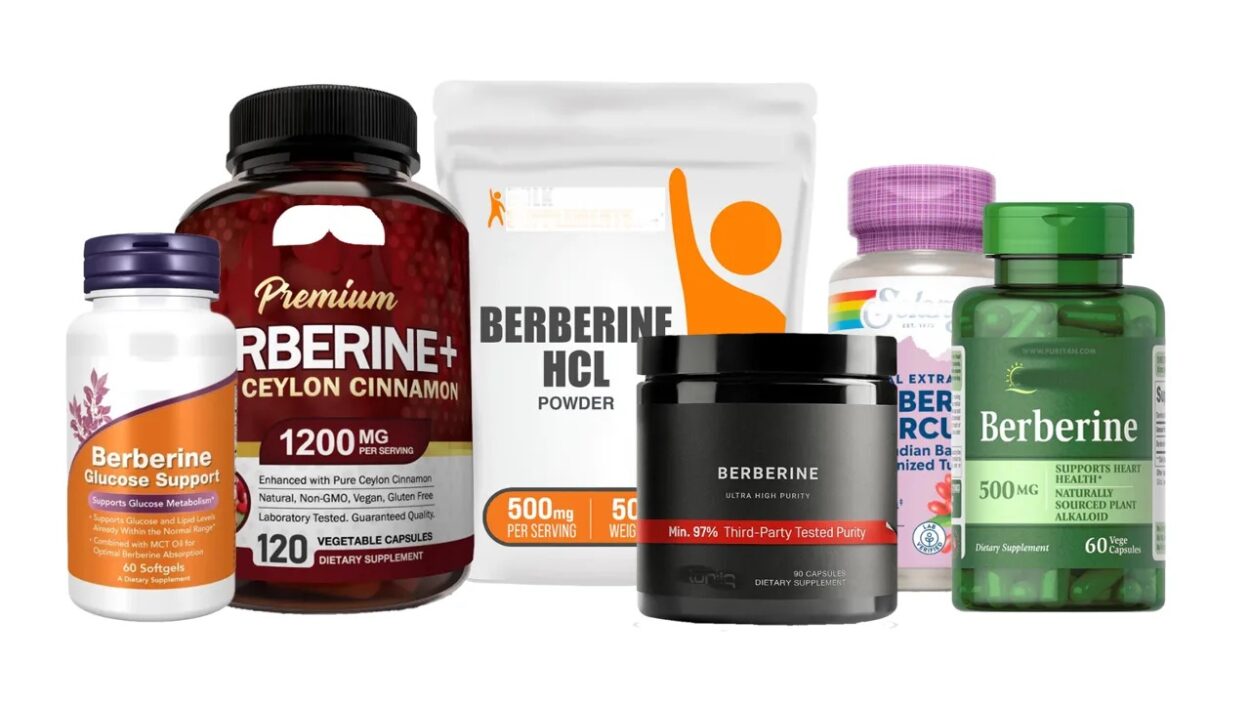
A note worth carrying with you the next time you read a supplement label: a bottle that says “berberine” is selling the alkaloid, not the herb. Goldthread, goldenseal, and barberry are botanically very different plants. They share the molecule, but each one’s whole-herb tradition is its own. Industrial berberine is typically extracted from one of several source plants and concentrated into capsules. The bitter root your Chinese grandmother might have steeped is a different experience entirely.

What modern research says about berberine
Berberine has been studied extensively for decades, but it became a mainstream wellness search term in 2023, when social media began calling it “Nature’s Ozempic.” The hype is loud. The evidence, in calmer reviews, is real but more modest than the headlines suggest.
Blood sugar and type 2 diabetes
The most studied use of berberine is for blood sugar control. A widely cited 2019 review of clinical trials found that berberine performed roughly as well as metformin, the standard first-line drug for type 2 diabetes, at lowering fasting blood glucose and HbA1c, the long-term blood sugar marker. More recent meta-analyses have largely confirmed those findings. A comprehensive review of Coptidis Rhizoma published in Pharmaceutical Biology surveys this evidence in detail.
The proposed mechanism is fascinating. Berberine activates an enzyme called AMPK (adenosine monophosphate-activated protein kinase), often described as the body’s metabolic master switch. Activating AMPK tends to make cells more responsive to insulin and shift the body toward burning rather than storing energy. None of this means berberine should replace prescription medication. It absolutely should not be done without medical guidance. But it does explain why traditional Chinese physicians, working without molecular biology, kept reaching for huanglian in patterns that overlap with what modern medicine calls metabolic syndrome.
Cholesterol and heart health
Several controlled trials have found that berberine modestly lowers LDL cholesterol and triglycerides. According to research summarized by the Cleveland Clinic and other clinical sources, typical reductions are in the range of 20 to 25 mg/dL of LDL and 40 to 50 mg/dL of triglycerides. The mechanism appears to involve a pathway related to PCSK9, the same target as some prescription cholesterol drugs or harmonizing herbs: dried ginger (Zingiber officinale), cinnamon bark (Cinnamomum cassia), or licorice root (Glycyrrhiza uralensis). The principle is balance, using cold to clear heat without over-cooling the body. The same harmonizing instinct shows up in other classical remedies, including ancient remedies for calm and balance built around lily bulbs.
Gut microbiome and inflammation
Recent research has focused on berberine’s effects on the gut microbiome. Studies have shown that it can shift the balance of intestinal bacteria toward strains associated with metabolic and inflammatory health. This is the moment where tradition and science quietly meet in the middle. What TCM has long described as “damp heat in the middle burner” is, in much of its symptomatic shape, what modern science is now describing as inflammatory metabolic dysfunction with microbial drivers. The framing differs. The body being treated is the same, a meeting captured beautifully in how East and West see medicine differently.
Is berberine really “Nature’s Ozempic”?
In a word, no. UCLA Health, Mayo Clinic, and Healthline have all weighed in carefully on the comparison. Berberine and semaglutide (the active drug in Ozempic) work through entirely different pathways. Most clinical studies show berberine produces modest weight loss, often around 5 pounds over 12 weeks at roughly 1,500 mg per day, divided across meals, compared with the much larger and faster effects of GLP-1 medications. Berberine has real, useful effects. It is also badly oversold on social media. The most honest framing is the one Mayo Clinic offered: a promising supplement, not a magical weight-loss solution.
Traditional preparations and famous formulas
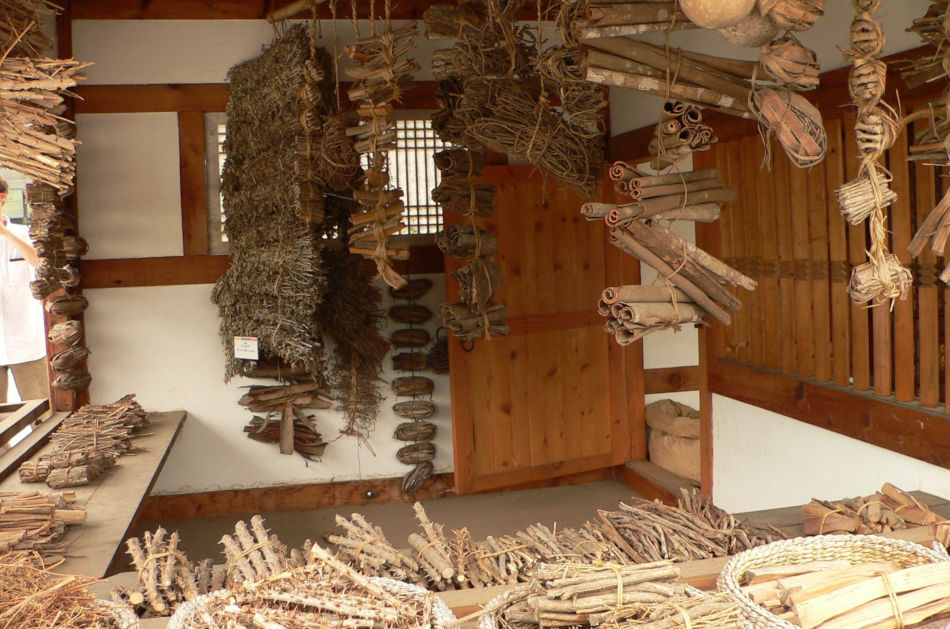
A berberine capsule is a far cry from how huanglian has actually been used in Chinese medicine. The traditional preparation is closer to a strong, very bitter tea.
Decoctions and herbal pairings
In classical TCM, huanglian is rarely used alone. Its cold, bitter nature is so pronounced that long-term solo use can weaken spleen qi and chill the digestive system. Practitioners pair it with warming or harmonizing herbs, such as dried ginger (Zingiber officinale), cinnamon bark (Cinnamomum cassia), or licorice root (Glycyrrhiza uralensis). The principle is balance, using cold to clear heat without over-cooling the body. The same harmonizing instinct shows up in other classical remedies, including ancient remedies for calm and balance built around lily bulbs.
Classic formulas featuring huanglian
Several of the best-known TCM formulas place huanglian at their center:
- Huang Lian Jie Du Tang (黄连解毒汤, Coptis Decoction to Resolve Toxicity), a classical formula for high fevers, severe inflammation, and what the tradition calls fire toxin
- Banxia Xiexin Tang (半夏泻心汤, Pinellia Decoction to Drain the Epigastrium), for digestive disharmony when heat and cold are tangled in the stomach
- Zuo Jin Wan (左金丸, Left Metal Pill), a small, elegant formula pairing huanglian with the warming herb evodia, used for liver-stomach disharmony marked by acid reflux and irritability
These are not recipes for self-prescription. Classical formulas are matched to patterns of symptoms, body constitutions, and seasons by trained practitioners. Mentioning them here is meant to point to the depth of the tradition, not to invite anyone to brew their own.
Safety, side effects, and who should avoid huanglian
Berberine is a powerful compound, and its use as a supplement warrants caution. The most common side effects in clinical trials are gastrointestinal: cramping, nausea, loose stools, and constipation. From a TCM perspective, these effects are predictable. Huanglian is bitter and very cold, and pushing too much of it through the digestive system can cool a digestive fire that some bodies need.
Drug interactions are the more serious concern. Berberine affects the CYP2D6 and CYP3A4 enzyme pathways in the liver, which can alter how the body processes a long list of common medications, including metformin, statins, blood thinners, and some antidepressants. Anyone on prescription medication should speak with a healthcare provider before adding berberine.
Berberine should also be avoided during pregnancy and breastfeeding, and it should never be given to infants. In newborns, berberine can interfere with bilirubin metabolism in a way that has been linked, in research summarized by the National Center for Complementary and Integrative Health and other authorities, to a serious condition called kernicterus.
Quality is another quiet issue. Independent testing in the United States and Europe has repeatedly found that berberine supplements often contain less of the alkaloid than their labels claim. Choosing brands that publish third-party laboratory testing is one of the simplest ways to avoid that problem.
A traditional Chinese physician would add one more caution that modern supplement labels almost never do: huanglian is not for everyone’s constitution. In TCM terms, those who run cold, those who tire easily, or those whose digestion is already weak should generally avoid prolonged use. As ever, talk to your doctor and, where possible, to a trained TCM practitioner.
The wisdom of the bitter
There is something quietly humbling about huanglian. It is not pretty. It does not taste like what wellness influencers say wellness should taste like. The very first sip of a goldthread decoction is the kind of bitter that catches the back of the throat and lingers.
And that is the point. 良药苦口利于病, “good medicine is bitter to the mouth, but good for the illness.” The full saying continues: 忠言逆耳利于行, “loyal advice grates on the ear, but is good for one’s conduct.” Bitterness, in the older Chinese view, is not punishment. It is the texture of useful truth. Cooling, drying, ungluing: all the kinds of work the body sometimes needs but rarely wants.
In a time when wellness is sold as effortless and pleasant, that older view is worth keeping. Not every healing root will go down easily. Not every social media trend will deliver what a centuries-old herb did, in its quieter way, all along. If your curiosity began with a TikTok promising “Nature’s Ozempic” and ended here, with a bitter mountain root older than most empires, that is a good arrival. There is more wellness wisdom from TCM, waiting for whoever is ready to listen.
A bitter root, a long tradition
Huanglian is one of those herbs whose story does not flatten easily. It is at once a humble mountain plant, a 2,500-year fixture of the Chinese pharmacopeia, and the source of an alkaloid now studied in major medical journals for its effects on blood sugar, cholesterol, and the gut. Each of those layers matters. None of them stands alone.
The next time the word berberine scrolls past, promising something new, something effortless, something miraculous, remember the bitter root behind it. Remember Shen Nong’s careful tasting. Remember the climbers on Mt. Emei. Remember the centuries of physicians who watched, recorded, and refined what this herb could do. The science is real. The tradition is older. Together they offer something more honest than any single trend can promise: the chance to take care of the body with both depth and patience, in the company of a very long line of people who came before.
Follow us on X, Facebook, or Pinterest
