

At first glance, the onion may seem like one of the humblest and most unassuming vegetables in the produce aisle. Stripped of loud colors in most traditional varieties and lacking the immediate, juicy sweetness of a summer fruit, it often plays a quiet, supporting role in the kitchen. Yet, ask any professional chef, home cook, or nutritionist about the true pillars of gastronomy and wellness, and the onion will invariably rise to the top. Widely regarded as an indispensable ingredient across virtually every culinary tradition worldwide, onions form the foundational aromatic base — the very bedrock — of countless soups, stews, sauces, sautées, and roasts.
Whether they are caramelized slowly over hours into a rich, sweet jam, deeply stir-fried until golden and fragrant, boiled down into a savory broth, roasted whole until tender, or sliced wafer-thin to be served raw in a crisp summer salad, onions bring an unmatched depth of flavor, complexity, and aroma to dishes. But their appeal extends far beyond the palate. Modern nutritional science increasingly validates what traditional cultures have known for millennia: onions are a profound health-promoting powerhouse packed with vitamins, minerals, antioxidants, and bioactive plant compounds.
Despite these overwhelming culinary and health benefits, the onion has one notorious drawback that has baffled and tormented home cooks for generations: the dreaded cascade of tears that accompanies slicing. Fortunately, science and kitchen wisdom have demystified this phenomenon. With a better understanding of onion varieties, their specific health benefits, and a few clever preparation tricks, you can master this culinary staple and enjoy all its rewards completely tear-free.
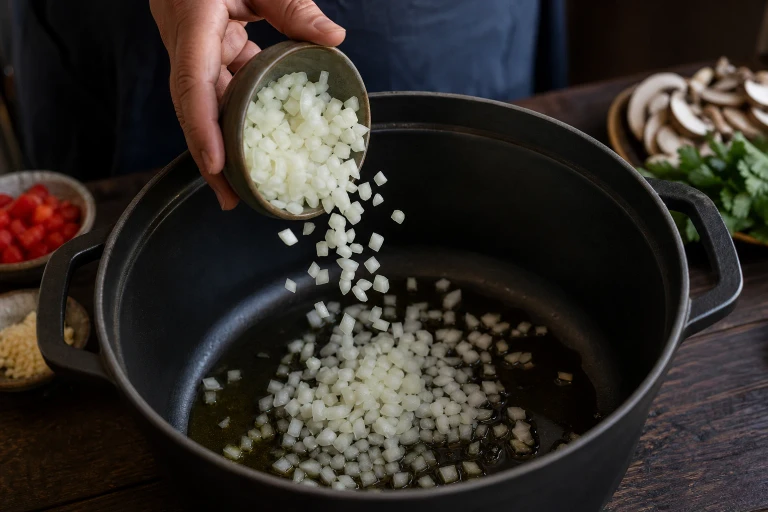
The diverse world of onions: Varieties and ideal culinary uses
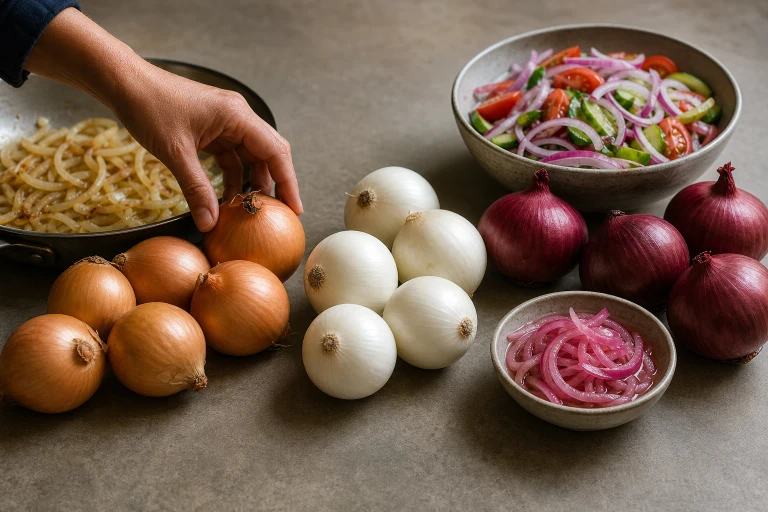
Many grocery shoppers grab a bag labeled “onions” without a second thought, but the market offers a rich diversity of varieties, each with distinct flavor profiles, moisture levels, color compounds, and culinary applications. Understanding these differences can elevate your cooking from ordinary to extraordinary.
Yellow onions: The kitchen workhorse
Yellow onions are the most common and versatile variety in kitchens worldwide. With a robust, pungent flavor that mellows and sweetens when cooked, they are the gold standard for long-simmering dishes. When caramelized, yellow onions undergo the Maillard reaction, developing a rich, deeply savory sweetness that forms the backbone of French onion soup, savory gravies, pot roasts, and hearty stews. Yellow onions also contain relatively high levels of sulfur compounds, which not only contribute to their characteristic bite and tear-inducing properties when raw, but also pack a powerful punch of health-promoting benefits.
Red onions: Vibrant color and crisp texture
With their striking purple-magenta skin and delicate white-and-red rings, red onions are instantly recognizable and visually stunning. Known for a milder, slightly sweeter, crisper flavor profile than their yellow counterparts, red onions are most often celebrated when served raw or lightly pickled. They add a vibrant pop of color and a satisfying crunch to fresh salads, grain bowls, burgers, tacos, and salsas. Beyond their aesthetic charm, red onions are exceptionally rich in anthocyanins—the same powerful antioxidant pigments found in blueberries and red cabbage—making them an excellent choice for adding both visual appeal and concentrated nutrition to your meals.
White onions: Tender delicacy and clean flavor
White onions have a clean, sharp flavor that is slightly sweeter and much less lingering than yellow onions, with a tender, delicate texture. Because of their milder nature and crisp bite, they are often used in traditional Mexican cuisine, raw in salsas and pico de gallo, or finely minced as a fresh garnish for street tacos and chili. They also work wonderfully in quick sautés, light stews, and roasted vegetable medleys where you want a subtler onion presence. Their versatility makes them a wonderful middle ground for cooks who want onion flavor without an overpowering aftertaste.
Nutritional value and health benefits: The ‘Queen of Vegetables’
Culinary historians and nutritionists often crown onions the “queen of vegetables” for their impressive biochemical profile. They are low in calories yet remarkably rich in essential vitamins, minerals, and bioactive plant compounds that protect the body from cellular damage and systemic dysfunction.
Rich in powerful antioxidants
Onions are a phenomenal source of flavonoids and polyphenols, most notably quercetin, a potent plant pigment with extraordinary antioxidant properties. Antioxidants act as the body’s defense system against free radicals — unstable molecules that cause oxidative stress and cellular aging. By neutralizing these rogue molecules, regularly consuming quercetin-rich onions helps reduce cellular damage, slow biological aging, and lower the risk of chronic, lifestyle-related diseases.
Immune system support
In addition to antioxidants, onions provide a valuable dose of vitamin C, a water-soluble nutrient critical for bolstering immune function. Vitamin C stimulates white blood cell production and function, helping the body defend itself against common pathogens and infections. Moreover, onions contain natural sulfur-containing compounds and trace minerals like selenium that exhibit synergistic antibacterial and antimicrobial properties, supporting overall immune resilience.
Cardiovascular protection
Heart health is one of the most well-researched benefits of eating onions. The combination of quercetin and organic sulfur compounds in onions plays a significant role in maintaining cardiovascular health. These compounds help regulate blood pressure, improve arterial elasticity, lower LDL (bad) cholesterol levels, and enhance overall blood circulation. Regularly including onions in your diet can help prevent plaque buildup in the arteries, reducing the long-term risk of heart attacks and strokes.
Anti-inflammatory and anti-cancer properties
Chronic systemic inflammation is increasingly recognized as a root driver of many serious illnesses, including cancer. Studies show that sulfur compounds in onions have remarkable anti-inflammatory activity. Laboratory and epidemiological research also suggests that these bioactive compounds may have anticancer properties. Specifically, they have been linked to a reduced risk of certain malignancies — including colorectal, stomach, and prostate cancers — by inhibiting abnormal cell proliferation and inducing apoptosis (programmed cell death) in cancerous tissue.
Promoting bone health
While dairy often steals the spotlight for bone maintenance, vegetables like onions play a surprisingly important supportive role. Onions contain essential minerals such as calcium and phosphorus, which serve as structural building blocks for skeletal integrity. Additionally, animal and human studies show that specific peptides and antioxidant compounds in onions can reduce oxidative stress in bone tissue, slow bone mineral loss, and lower the risk of developing osteoporosis later in life.
Blood sugar regulation
For individuals managing diabetes or pre-diabetic insulin resistance, onions can be a valuable dietary ally. Research indicates that certain sulfur-containing compounds found in onions—such as allyl propyl disulfide — can help regulate blood glucose levels. These compounds appear to interact with the liver and pancreas, helping increase insulin secretion, enhance cellular insulin sensitivity, and help the body maintain stable blood sugar balance throughout the day.
Supporting digestive health
Gut health is fundamental to overall well-being, and onions contribute significantly to a thriving digestive tract. They are rich in dietary fiber, particularly inulin and fructooligosaccharides, which act as prebiotics. Prebiotics fuel beneficial probiotic bacteria in your gut microbiome, promoting healthy digestion, regular bowel movements, and optimal nutrient absorption. Furthermore, onions’ natural antibacterial properties help suppress harmful pathogenic bacteria in the gut, keeping the digestive ecosystem in balance.

Tips for cutting onions without crying
Despite their remarkable benefits, cutting an onion remains a common kitchen hurdle. When you slice an onion, you rupture its cell walls, releasing enzymes called alliinases. These enzymes rapidly interact with amino acid sulfoxides to form volatile sulfur compounds. When these gases drift upward and contact the moisture on your eye’s surface, they react to form minute quantities of sulfuric acid, which triggers a stinging sensation and prompts your tear glands to flush out the irritant.
Fortunately, you do not have to endure watery eyes every time you cook. You can significantly minimize or eliminate this irritation by applying a few strategic, science-backed preparation techniques:
- Use a sharp knife: A dull knife acts more like a blunt wedge, crushing and tearing onion cells rather than slicing cleanly through them. This major cell rupture releases more irritating gas. A razor-sharp chef’s knife makes clean, precise cuts, preserves cell walls, and drastically reduces airborne irritant release.
- Cut along the grain: Onions possess a natural vertical grain structure running from root to stem. Cutting along these natural fibers, rather than hacking across them, minimizes unnecessary cell rupture and subsequent gas emission.
- Use a slicing motion: Instead of chopping straight down with heavy vertical force, use a smooth push-cutting or pull-cutting motion. Sliding the blade across the onion minimizes physical trauma to its cellular structure.
- Chill the onion before cutting: Temperature plays a major role in chemical volatility. Refrigerate onions for 30 minutes to an hour before slicing to slow enzymatic reactions and reduce the evaporation rate of volatile sulfur compounds, making them far less likely to reach your eyes.
- Cut under running water or near a vent: Water readily absorbs water-soluble sulfur gases. Some home cooks prefer slicing onions submerged in a bowl of water or under a gentle faucet stream, though a well-ventilated workspace or a nearby kitchen fan is often more practical. Airflow disperses the gases and sweeps them away from your face before they can cause discomfort.
- Use a damp paper towel: Place a wet or damp paper towel on your cutting board next to the onion while you work to trap and absorb the volatile compounds as they escape into the air, sparing your eyes from the sting.
By combining an appreciation for the onion’s rich culinary versatility with smart prep habits, you can easily turn this kitchen staple from a tear-inducing chore into a joy to cook with every day.
Translated by Cecilia and reviewed by Amanda
Follow us on X, Facebook, or Pinterest
