
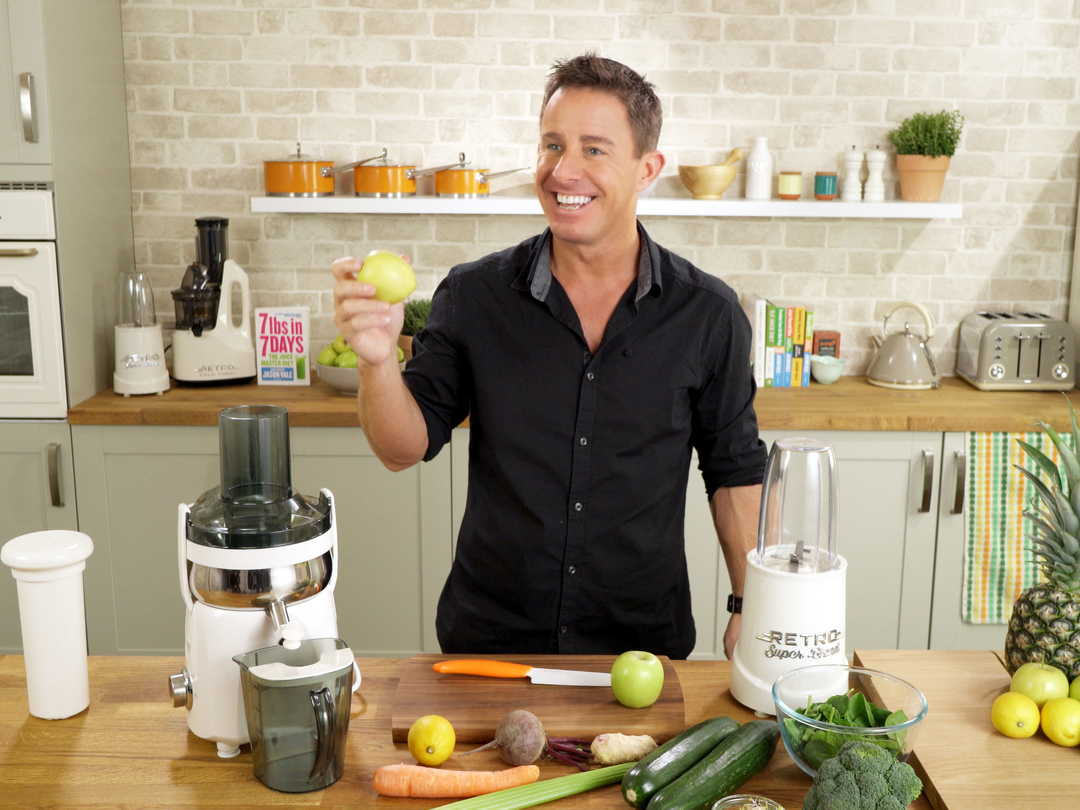
On a humid October morning in Queens, New York, federal agents descended on a modest suburban home. Inside, they found not only drums of hazardous liquid, but a story that many already believed: a once-feted arm-wrestling champion, now accused of marketing apricot seeds as a “cure” for cancer. His name: Jason Vale. His method: “Apricots From God.” The stakes: millions in sales, broken court orders, possible cyanide poisoning, and the hopes of vulnerable patients seeking miracles.
That raid made headlines. But the center of gravity is not the drama of the bust; it is the collision of faith, science, power, and desperation that lies beneath.
Beginnings and legal history
Jason Vale was not always a fringe figure. Before the controversies, he was a competitive arm wrestler, building a reputation, telling stories of survival, and increasingly casting the apricot seed as central to his identity. According to The Washington Post, Vale claimed that consuming apricot kernels had helped shrink his tumor — a narrative he wove into his public persona and sales pitch.
The sales channel was his website, Apricots From God, through which he marketed apricot seeds, powders, and related products to cancer patients and their families. He opened himself to regulatory scrutiny. In the late 1990s and early 2000s, the U.S. Food and Drug Administration (FDA) and federal courts intervened, issuing injunctions to prevent him from distributing unapproved or misbranded drug products containing laetrile, amygdalin, or apricot seeds.
In 2003, Vale was indicted for criminal contempt of court, based on multiple violations of these injunctions. A federal jury convicted him on three counts under 18 U.S.C. § 401(3). On June 18, 2004, a Judge in the U.S. District Court for the Eastern District of New York sentenced him to 63 months (5¼ years), to run concurrently on the counts; on remand, the sentence was reduced to 60 months (exactly 5 years). The FDA later issued a final debarment order in 2010, permanently barring him from serving in any role relating to regulated drug products.
Yet the story did not end there. In October 2019, agents executed a new search of his home, alleging that Vale (with his mother, Barbara Vale) continued to market apricot seeds as a cancer remedy, in violation of prior orders. Authorities claimed the family had earned over $850,000 from 2013 to 2019 via online sales and that drums of potentially hazardous materials were present on site. During the arrest, Vale was hospitalized, delaying his court appearance; his mother was released on a $100,000 bond.
Vale, 51 at the time, had previously served his prison term. Still, according to press reports, he continued to assert that apricot seeds offered meaningful therapeutic benefit (though he sometimes hedged claims by avoiding the word “cure”). Observers noted that the seeds had become a central pillar of his personal narrative: he credited them for his arm-wrestling strength, survival, and public mission.

The scientific and regulatory case: Skepticism and danger
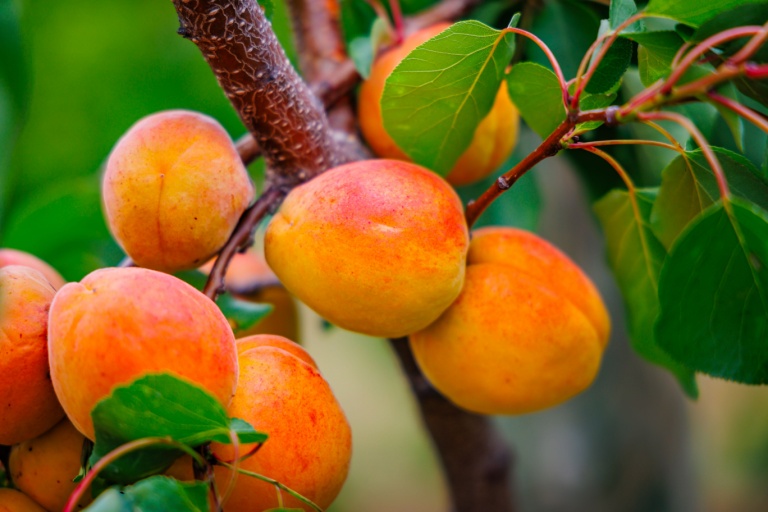
At the heart of the debate lies laetrile (a semi-synthetic version of amygdalin) and apricot kernel consumption. The proposal has long appealed to alternative medicine proponents: Ingest the seed or derivative, let it break down in the body to release hydrogen cyanide, which purportedly kills cancer cells preferentially. However, this hypothesis has never withstood rigorous scrutiny.
According to the National Cancer Institute’s PDQ summary on laetrile/amygdalin, human clinical trials have yielded no evidence of anticancer benefit. At the same time, animal studies have shown minimal and inconsistent results. Toxicity is a serious risk: symptoms mirror cyanide poisoning — nausea, dizziness, liver damage, neurologic damage, and even death. Medical reviews treat laetrile as a textbook case of ineffective and unsafe “alternative” cancer therapy.
More recently, regulatory agencies have issued warnings about specific apricot-seed products. In May 2024, the FDA flagged three “Apricot Power” products after lab testing showed dangerously high amygdalin concentrations, advising consumers to stop use — and noting that ingestion “could lead to fatal cyanide toxicity.” The Center for Science in the Public Interest likewise reported that even a few kernels could exceed safe cyanide thresholds.
Public health bodies in Australia and elsewhere warn that consuming apricot kernels is ineffective in treating cancer and poses significant risks. The Australian Cancer Council states bluntly: “Eating apricot kernels in large amounts is not only ineffective for treating cancer, but could also be very dangerous.”
Critics argue that the continued marketing of such seeds as cancer remedies is deceptive, exploitative, and potentially lethal. Legal frameworks classify them as “unapproved drugs” when disease claims are made, and courts have allowed enforcement against misleading labelling, interstate commerce, and false statements.
From this vantage point, Vale’s operation is not merely a rogue act, but an example of how regulatory oversight — FDA injunctions, criminal contempt prosecutions, and debarment orders — intervenes when states identify a risk to public health.
Why it continues: Belief, distrust, and moral tension
If the scientific case is so unfavorable, why do Vale and similar figures still command followers? To understand, one must peer into the psychology of illness, narratives of distrust, and the hunger for agency when conventional medicine offers few guarantees.
A personal narrative as authority
Vale foregrounded his own cancer survival story, claiming that the seeds had worked for him, giving his message emotional force. For many patients, the voice of a survivor feels more credible than that of institutions. Once a success story gains traction, it may serve as “proof” in the eyes of believers, regardless of broader data.
The suspicion of institutions
Medical institutions, pharmaceutical companies, and regulatory agencies are often viewed skeptically, especially by those who feel they have been failed or marginalized by the system. In alternative health communities, conspiracy narratives — of suppression, Big Pharma control, or suppression of cures — flourish. Proponents of laetrile and similar treatments sometimes assert that “they don’t want you to know” or that “dangerous truths” are hidden. The fact that Vale was debarred and prosecuted is often presented by its supporters as proof of suppression, rather than regulation.
Ethical ambiguity and desperation
Cancer patients and their families frequently face dire choices. Conventional treatments, though evidence-based, come with side effects, uncertainties, and limited efficacy in many contexts. The moral argument emerges: if someone claims a gentler alternative, is it unethical to try it? Some argue that freedom of choice should allow patients access to whatever they will — even if unproven — as long as full disclosure is provided.
In this light, Vale portrays himself not as a charlatan, but as a crusader. In interviews, he has sometimes refused the term “cure,” saying he believes the seeds offer support, not magic. He also points to testimonials from customers who claim improvement, arguing that no one complained (though regulatory records show at least one email alleging poisoning.
In October 2019, when raided, Vale’s defense included that he had simply “continued the enterprise” despite orders, and did not directly admit to a cure, a slender line in legal dispute.
Broader cultural and political implications
Vale’s narrative sits at the intersection of several fault lines: the clash between regulation and autonomy, the limits of medical authority in a digital age, and the commodification of hope.
Regulation, overreach, and free market tension
On one side lies the ethos of consumer protection, characterized by rigorous oversight, pre-market trials, and prohibitions against disease claims without clinical evidence. But critics argue that regulatory states sometimes stifle innovation, paternalistically define truth, or suppress minority alternative views. Vale supporters occasionally portray his prosecution as overreach, a “war on free choice.”
The challenge is legitimacy: when does regulation become authoritarian rather than protective? When does consumer freedom slip into exploitation? These are not trivial questions, and Vale’s case compels examination of how regulation ultimately depends on trust in institutions.
Media framing and the spectacle of quackery
Media narratives about Vale tend to lean into the “quackery” frame — sensational, dismissive, easy to caricature. But that framing can alienate those who already distrust elite institutions. A New Yorker–style narrative attempt must resist the temptation to gawk; instead, it must represent the human impulse behind hope and risk, even when that path seems misguided.
The villainization of alternative medicine figures can deepen polarization: patients who feel dismissed or ridiculed may dig in further, rejecting mainstream authority entirely. A nuanced approach must strike a balance between the structural dangers of false hope and the moral impulse of individual choice.
The digital marketplace and medical misinformation
Vale’s model — an online store, mass mailings, testimonial marketing — is emblematic of how digital platforms have transformed health marketing. Claims that would have remained fringe in earlier eras can now reach global audiences within hours. Regulation and monitoring struggle to keep up. Vale is not unique; he is a prototype of how alternative health scams scale.
Furthermore, as consumers bypass traditional gatekeepers (physicians, regulators) and access vast online “expertise,” the boundary between testimonial and evidence blurs. In that space, marketing often masquerades as peer support or grassroots truth.

Toward a reflection
Vale’s story is more than a sensational case of fraud or oversight. It is a mirror reflecting how society grapples with illness, authority, and risk. It asks: when scientific consensus fails to satisfy the intuitive yearnings of hope, what emerges in its place? And what space remains for rigorous inquiry, regulation, and compassion?
Public skepticism and ridicule are understandable: endorsing apricot seeds as cancer therapy is deeply counter to established science. But the fight over Vale is not solely scientific; it is symbolic. It is a contest of narratives: truth as established by institutions versus truth as claimed by personal testimony. It is a contest over who gets to decide what hope looks like in the face of mortality.
Ultimately, the Vale case may never yield a definitive resolution. The seeds may offer no prophylactic, and may even harm, yet the longing they represent persists. As readers, we are left with a paradox: at what point does faith cross into folly, and who draws that line? It is a question not only of science, but of trust, power, ethics — and what we owe to those seeking cures in an uncertain world.
Follow us on X, Facebook, or Pinterest
